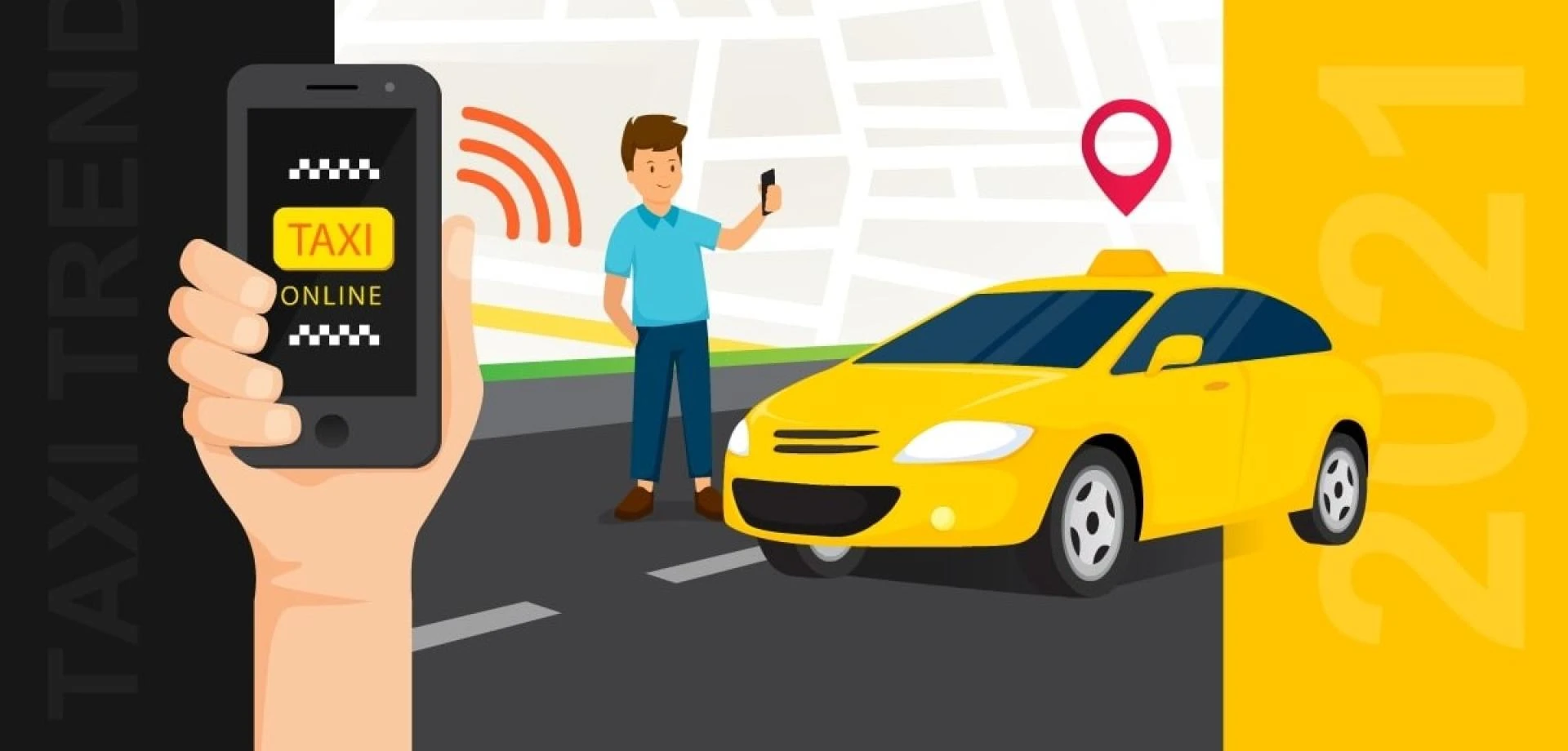

The taxi dispatch business plays a vital role in efficiently connecting passengers to drivers. Over the years, technological advancements have made cloud-based solutions one of the biggest game changers in this field.
This blog shares contemporary trends in taxi dispatch software and explains why businesses like yours are increasingly preferring cloud-based solutions to improve operational efficiency.
Evolutionary Steps for Taxi Dispatching Systems
Taxi dispatch software in the past relied more on manual processes and radio communication. One of the many challenges experienced with this method was that it required an assigner who could manually distribute client calls or radio inquiries among available drivers. However, it was exposed to inefficiencies and delays. With technological advances, automated dispatch systems started replacing these manual procedures.
This saw the introduction of computer-aided dispatch (CAD) systems, which made significant improvements by automating trip allocation through predefined rules and algorithms. This type of system used on-site servers, which, therefore, required large investments in hardware and subsequent maintenance. Although CAD systems simplified operations somehow, they were constrained scalability-wise and flexibility-wise.
Cloud-Based Solutions Emergence
The latest trend indicates a shift from traditional on-premises platforms to cloud-based ones within the taxi dispatch industry. Unlike traditional on-premises systems, cloud-based taxi dispatch software runs on remote servers managed by third-party providers. Below are some benefits of taxi management software that make you adopt this approach universally across the sector:
1. Scalability & Flexibility
The scalability offered by them is unsurpassed, thus allowing seamless growth or shrinkage of taxi dispatch businesses’ activities. Such resources can be scaled up or down depending on demand, whether serving just a few tens of trips per day or several thousand. Therefore, this flexibility is essential for changing environments where factors like time of day, weather conditions, and special events lead to fluctuation in demand.
2. Cost Effectiveness
The cloud-based taxi booking system eliminates upfront costs related to purchasing hardware and reduces maintenance costs. Rather than acquiring and supporting servers, enterprises usually pay a subscription fee for cloud services, which are mostly usage-based. Consequently, it is easier for you to compete with your solid competitors, who have dominated the market over the years.
3. Real-Time Data & Analytics
Cloud platforms with real-time data analytics capability enable you to make informed decisions. By analyzing trip history, traffic patterns, and client preferences, among other things, you can optimize routes to enhance driver efficiency and improve overall service quality. This helps in proactive decision-making and better resource allocation.
4. Improved Customer Experience
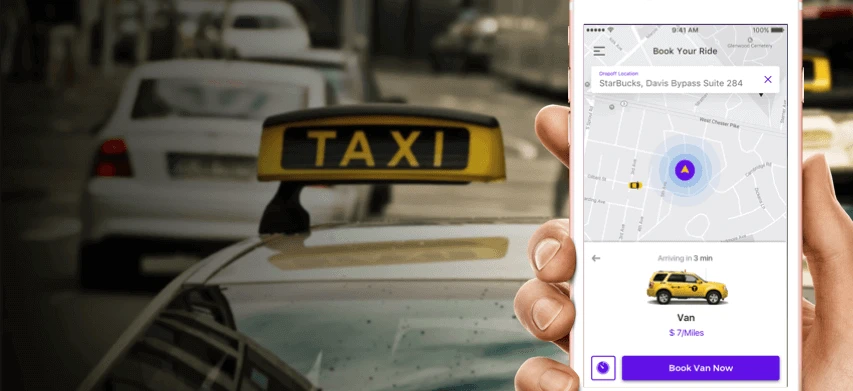
The importance of a cloud-based taxi booking app is that it improves customer experience through smooth booking processes, real-time tracking, and transparent communication. Mobile apps allow passengers to book rides, know the exact location of drivers at any given moment, and receive accurate ETAs. Therefore, such openness and convenience contribute significantly to customer satisfaction and loyalty.
5. Integration & Collaboration
They also enable integration within other transport networks, third-party services, or APIs in general. You can take benefit from this kind of interoperability when you wish to extend your range of services, such as parcel delivery, shuttle services, partnerships with ride-sharing firms, etc. Besides, you are able to expand your revenue generation bases by incorporating more customers' needs into the business model.
Technological Advancements that Drive Transformations
The taxi dispatch industry has seen a number of technological advances that have sped up the adoption of cloud-based solutions:
· Internet of Things (IoT)
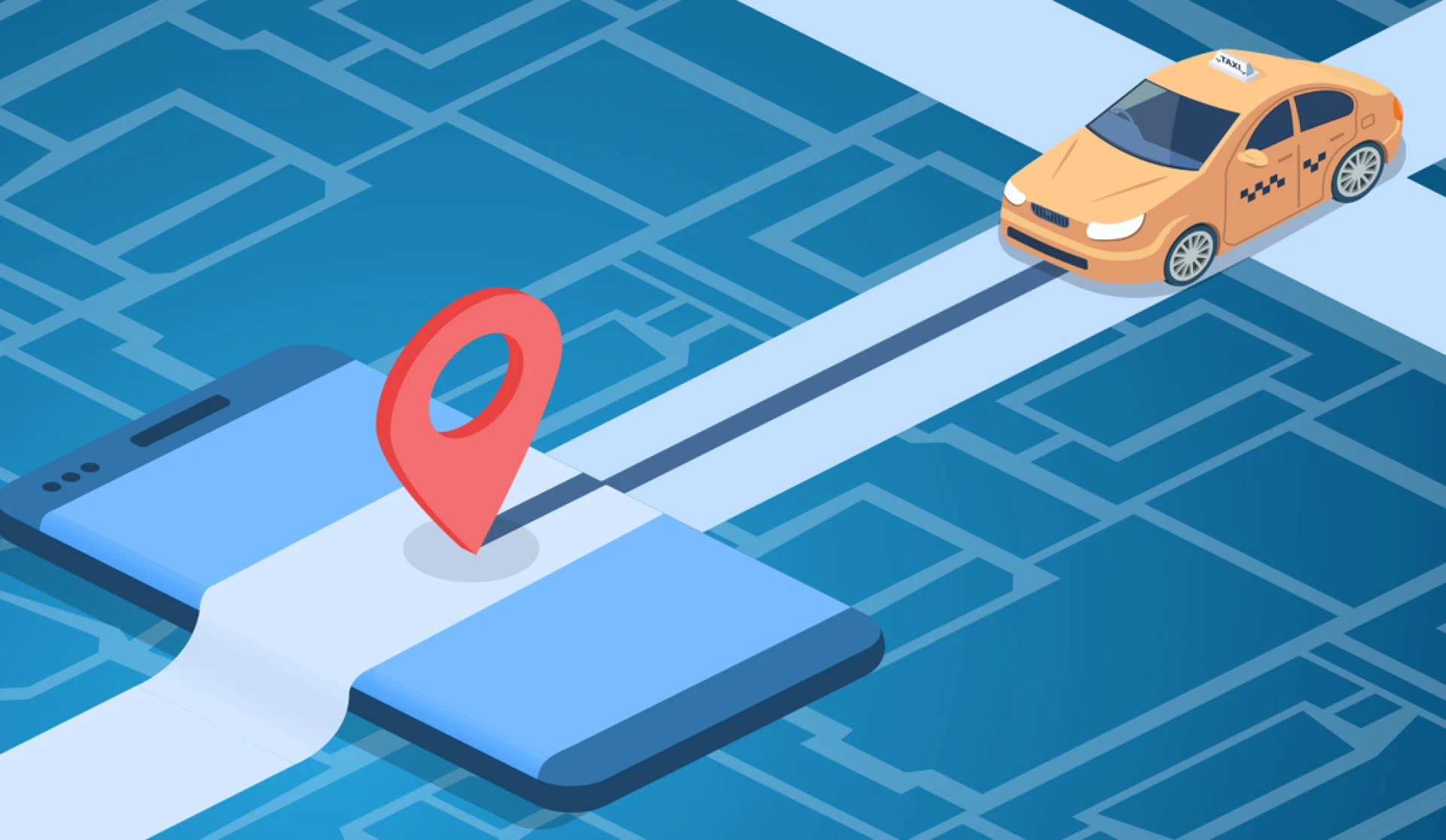
Modern taxi dispatch systems depend heavily on IoT devices such as GPS trackers and sensors. These devices enable real-time information on location, car diagnostics, and driver behavior. Dispatchers integrate this data with cloud platforms to monitor fleet operations, maintain vehicles, and ensure safety compliance.
· Artificial Intelligence (AI) and Machine Learning
Cloud-based software uses AI and machine learning algorithms to predict demand patterns, optimize routes for their cabs, and allocate resources effectively. The goal is to analyze big data to detect patterns, estimate traffic conditions in advance, and recommend shortcuts in real time real time that will make journeys faster. You can reduce customer waiting time by implementing insights produced from predictive analytics derived from artificial intelligence as you lessen fuel consumption rates and increase productivity levels among drivers.
· Mobile Applications
The availability of mobile apps on smartphones has completely changed how customers book cabs or track them during the journey. Customers can generally download simple applications on their phones anytime. This enables them to request a ride from any place they are quickly, pay after completing the trip through mobile wallets or visa cards, and rate each driver according to his or her suitability. For taxi dispatch businesses like yours, mobile apps serve as a direct channel for customer engagement and service delivery.
Challenges you need to consider for the taxi business
However, there are many challenges associated with adopting cloud-based solutions, although its numerous benefits cannot be underestimated:
a. Data Security
Cloud providers must actively protect customer data from cyber threats such as hacking attempts. You must also meet all security regulations put in place by relevant authorities.
b. Reliability & Connectivity
However, the use of cloud-based software means that user experience is highly dependent on internet connectivity. Ensuring reliable network connections and implementing backup solutions is essential to prevent service disruptions and maintain operational continuity.
c. Integration Complexity
Integrating cloud-based dispatch platforms with existing IT infrastructure and legacy systems can be complex and time-consuming. You need to carry out careful planning and testing and collaborate with the IT department or third-party providers for seamless integration processes.
d. Vendor Selection
Selecting a good cloud service provider is paramount in a taxi dispatch business's success story. You need to consider various factors like reliability, scalability, data security protocols, and customer support availability when making such a decision.
The Future Outlook
Looking ahead, the future of taxi dispatch will continue to be shaped by advancements in technology, evolving customer expectations, and regulatory developments. Cloud-based solutions are poised to remain at the forefront of this transformation that offers unparalleled scalability, operational efficiency, and customer-centric innovations.
With such an environment surrounding your business, those who have embraced cloud-based platforms can gain a competitive advantage over others looking for similar spots. This way, you can not only optimize operations using real-time data analytics but also deliver exceptional services needed by digital consumers today that focus more on Artificial intelligence-powered insights.
Final thoughts
This shift from traditional taxi operations to cloud-based software has been majorly driven by technological advancement within the sector coupled with shifting market trends. By adopting these trends and taking advantage of cloud computing abilities, you can enhance your sustainable growth prospects by operating excellently, thereby increasing customer satisfaction levels.
Being adaptable to new technologies in the transportation industry is not only necessary but mandatory for your business growth because it helps you stay ahead of your competitors while meeting current consumer needs.








Sign in to leave a comment.