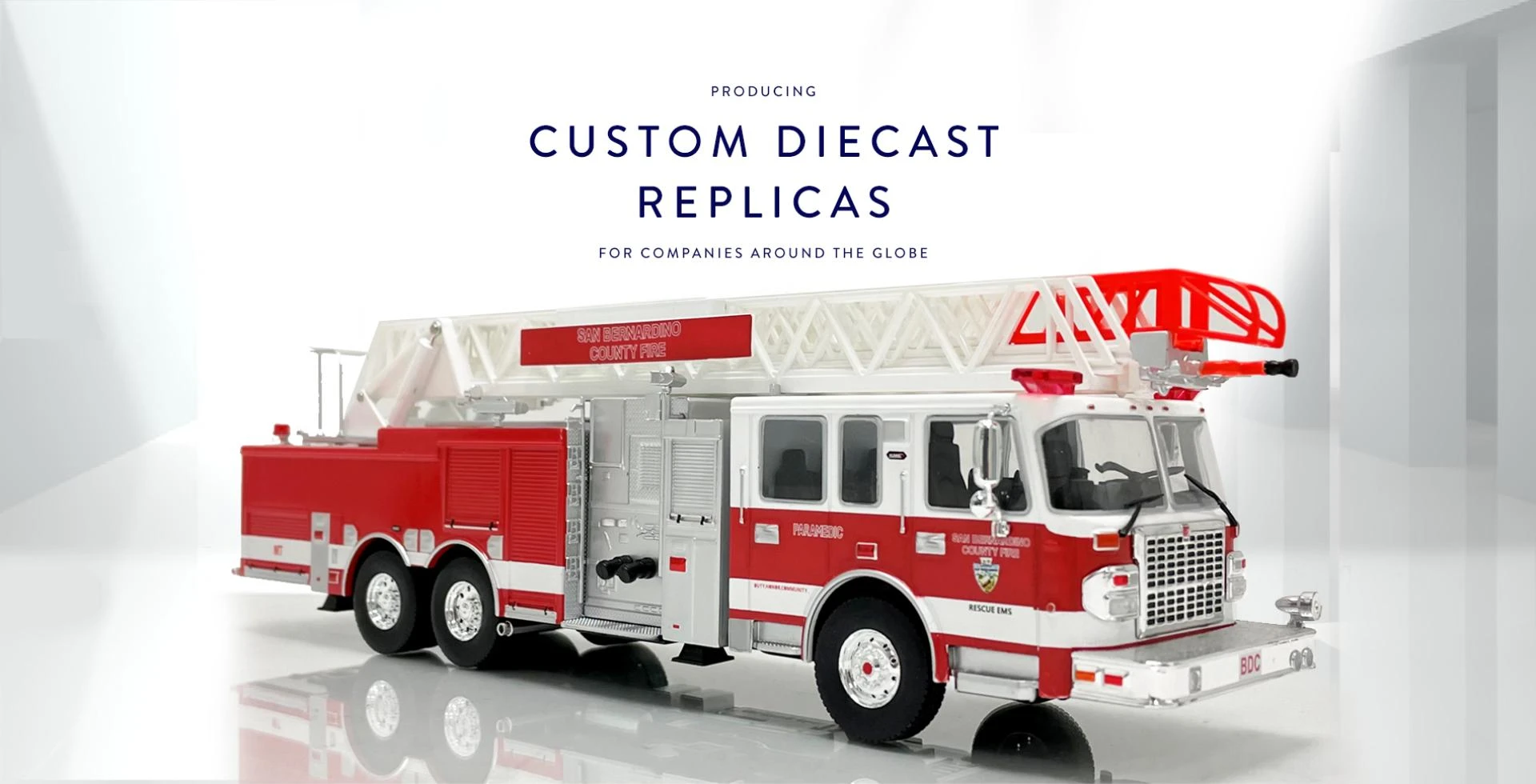

Every vehicle has a story—whether it’s a family’s first car, a company’s delivery van, a race-winning machine, or a workhorse that built cities. Capturing those stories in physical form is what makes custom diecast replicas such a powerful medium. More than collectibles or display pieces, they are miniature storytellers. Through exceptional detail, historical accuracy, and emotional value, custom diecast replicas preserve and communicate personal, professional, and cultural narratives in ways no digital photo or document ever could.
This article explores how custom diecast models are being used across industries and personal lives to preserve legacy, inspire pride, and share compelling stories that live on for generations.
The Emotional Value Behind Every Custom Model
At first glance, a custom diecast replica may appear to be just a small-scale model—but to the person who commissioned it, it often carries deep emotional weight. Maybe it’s a 1:18 scale replica of a grandfather’s truck used in the family business. Or maybe it’s the exact racing car a collector saw win a race in their youth. The emotional connection gives the model lasting significance.
This emotional power makes these replicas ideal for storytelling. Each detail—from paint to decals to worn-out effects—tells a part of the story, whether that’s legacy, triumph, nostalgia, or hard work.
How Brands Use Diecast Replicas to Tell Their Story
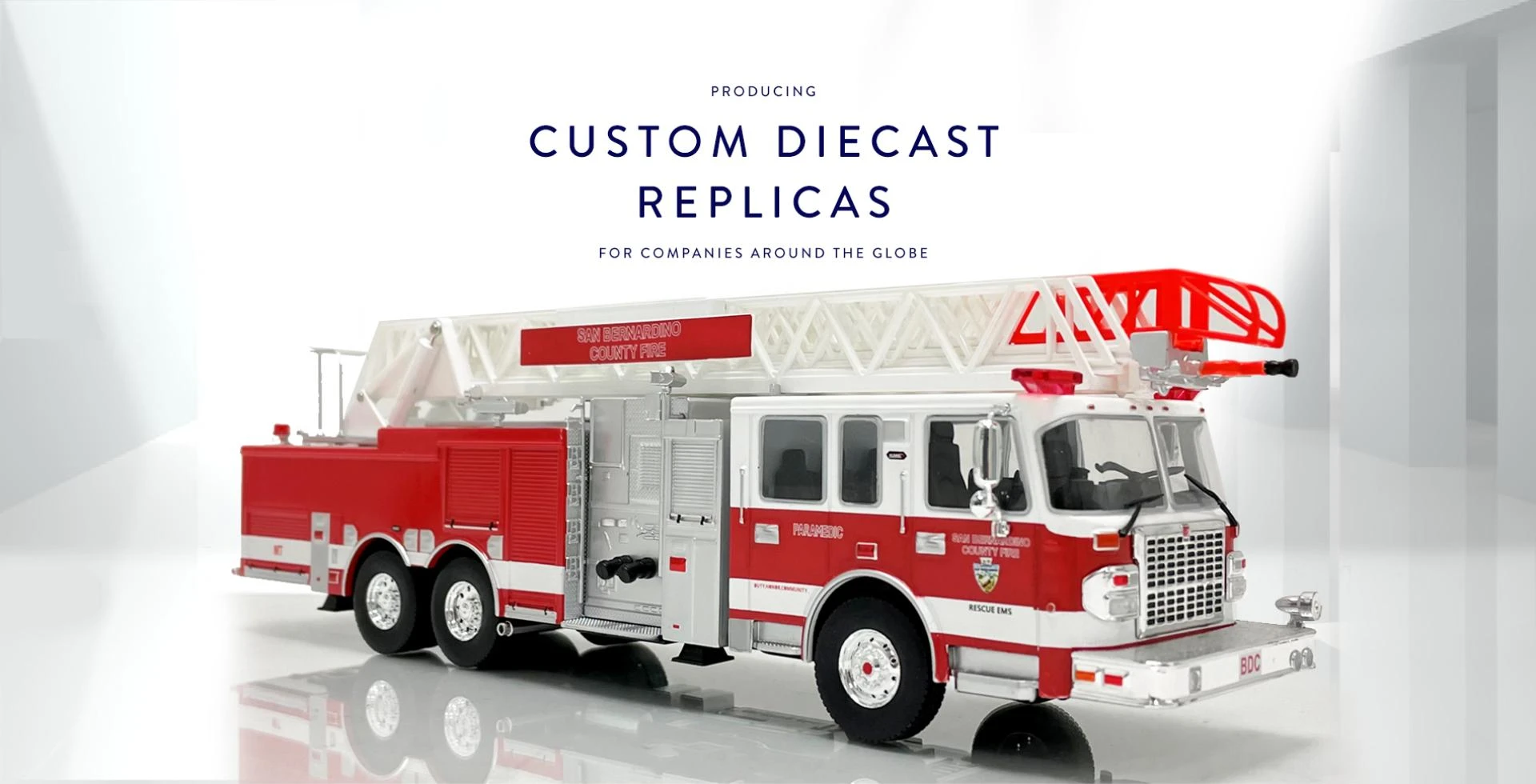
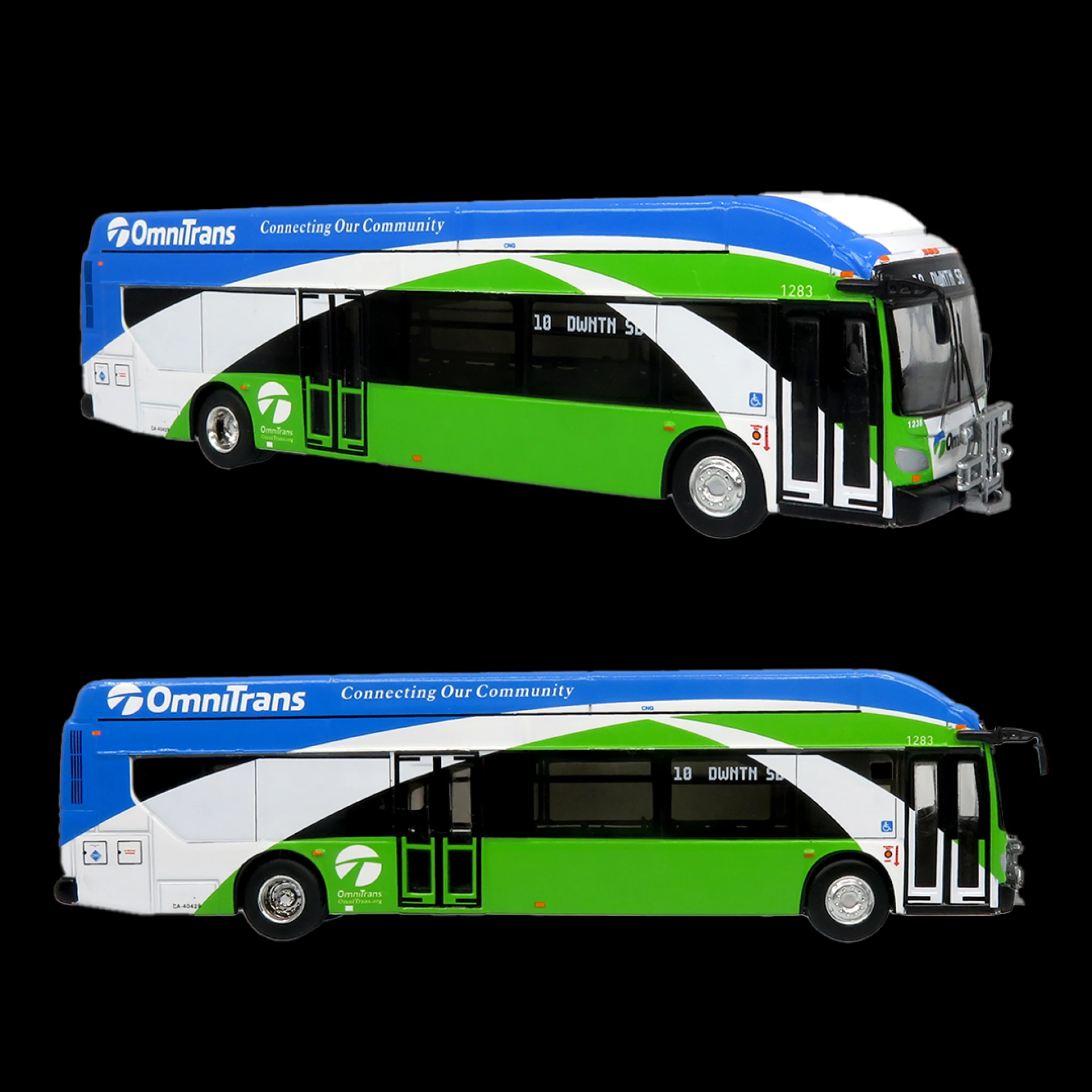
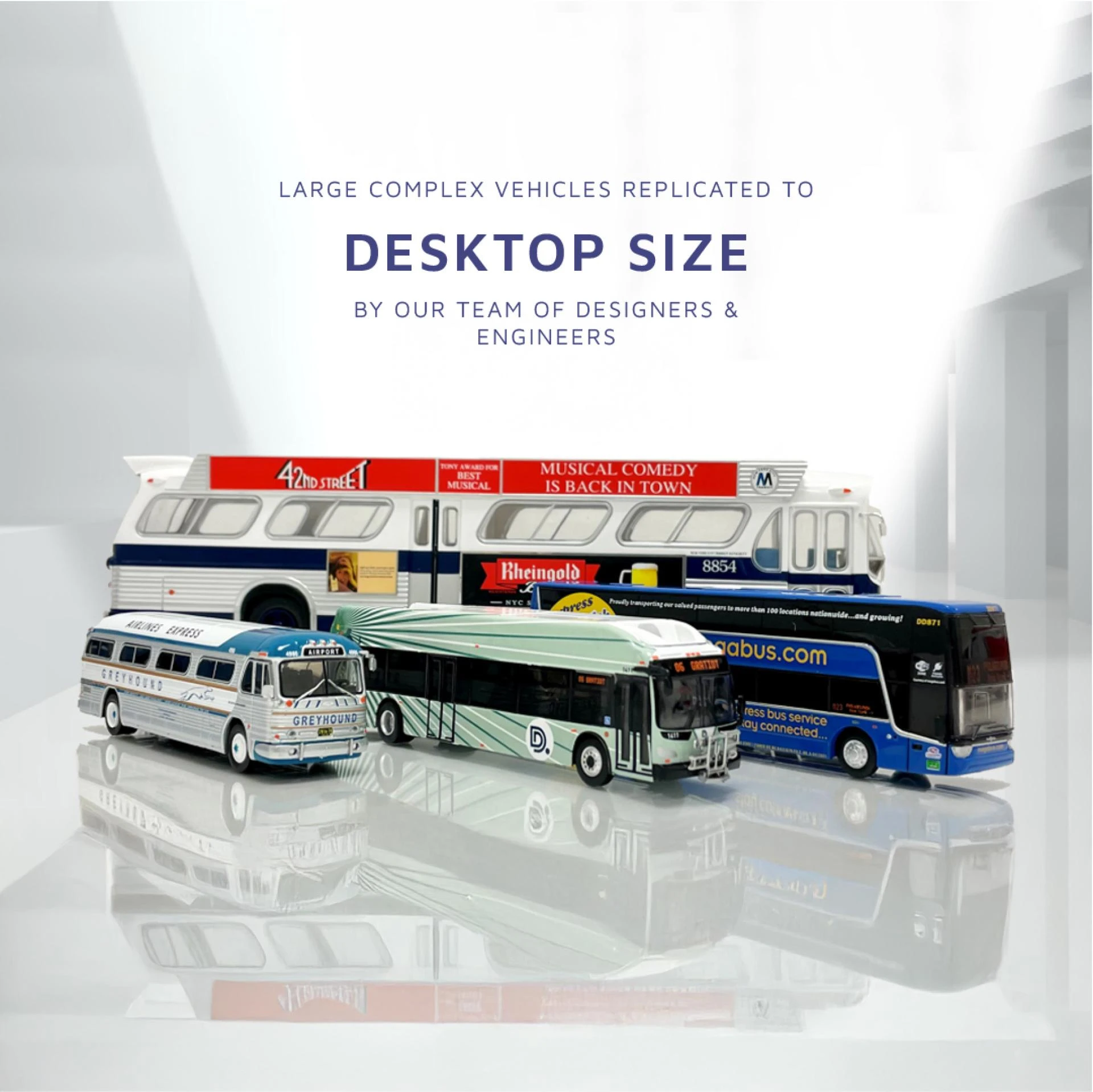
For companies, particularly those with a long or iconic history, custom diecast replicas are more than merchandise—they’re legacy pieces. They serve as physical reminders of where the brand came from and how it evolved. Many companies, especially in transportation, logistics, construction, and public services, use custom models to preserve their visual history.
Here’s how brands use these miniatures effectively:
- Milestone Celebrations: Commemorate 25, 50, or 100 years with a scale model of the company’s first vehicle or current fleet.
- Corporate Gifting: Present to retiring employees, major clients, or business partners as meaningful keepsakes.
- Internal Branding: Display models in headquarters or executive offices as part of corporate storytelling.
- Marketing Tools: Use in campaigns or trade shows to show the scale and professionalism of a fleet or equipment line.
For example, a beverage company might recreate a classic 1950s delivery truck. A logistics brand might replicate its entire fleet evolution over decades. These pieces allow businesses to celebrate identity and connect emotionally with employees and customers.
Custom Replicas in Museums and Public Exhibits
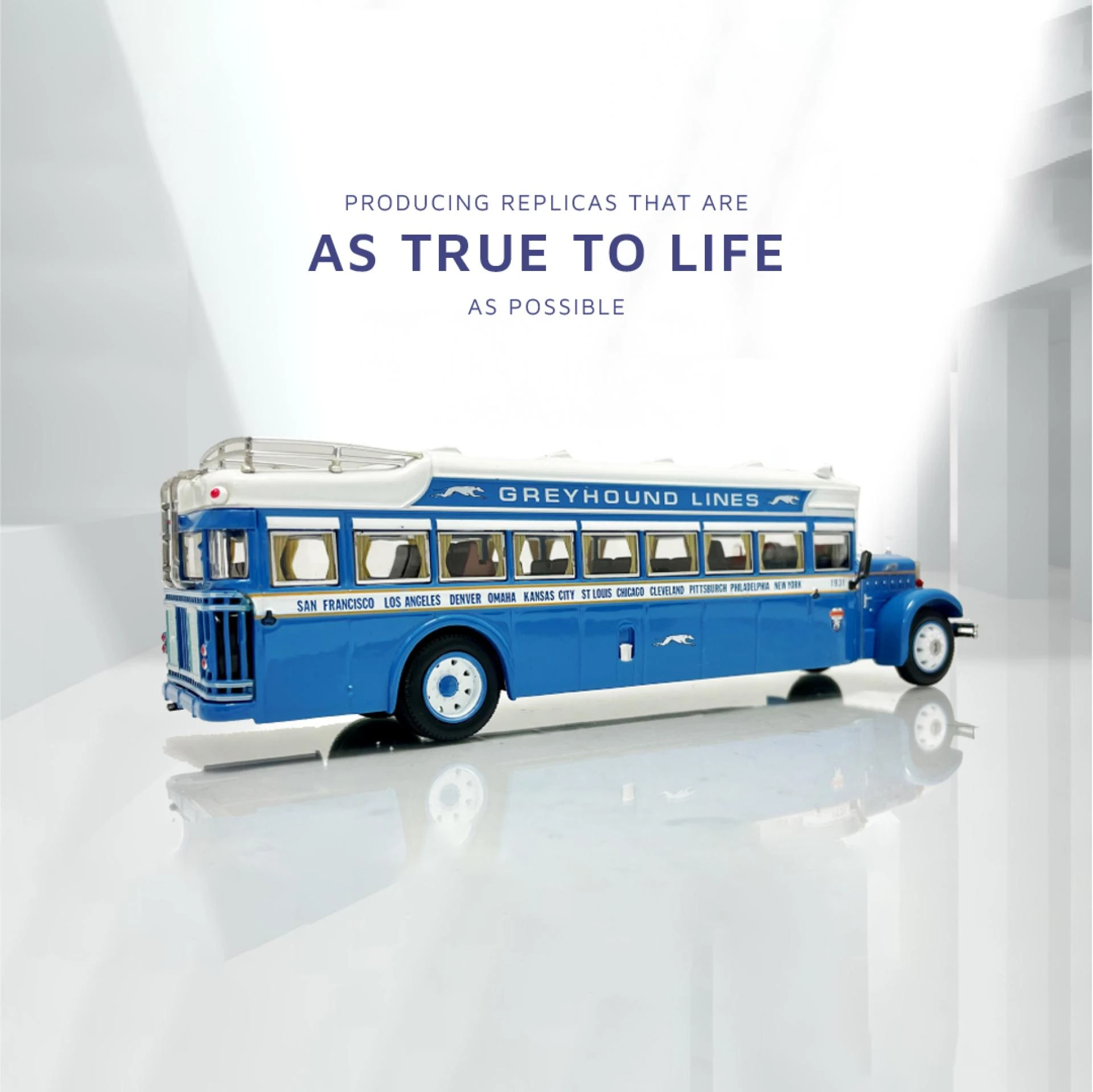
Museums and historical institutions are also turning to custom diecast replicas to enrich their displays. A full-size vintage truck or bus may be too large to showcase or transport, but a scale model fits neatly into curated exhibits and brings stories to life with surprising detail.
In these settings, replicas are used to:
- Demonstrate the evolution of design.
- Recreate historically significant vehicles.
- Illustrate the role of vehicles in societal changes (e.g., postal systems, agriculture, fire services).
- Provide interactive experiences for younger audiences.
Paired with signage, photos, and context, these models give visitors an accessible and memorable view into the past.
Replicas as Memorials and Tributes
Custom diecast replicas are also deeply meaningful when used to honor individuals. Families and organizations frequently commission models to:
- Remember a late family member who had a passion for cars or trucks.
- Celebrate a retiree’s work vehicle.
- Memorialize fallen heroes in emergency services or military units.
Such models may include personalized plates, badges, or inscriptions. They often find a permanent place on shelves, desks, or in display cases, serving as everyday reminders of the person’s story, service, and life.
Creating a Narrative Through Model Details
A great custom diecast replica is one that doesn’t just look good—it tells a story through its details. The choice of paint, logo placement, wear patterns, and added accessories all contribute to its narrative.
Some examples of storytelling through design include:
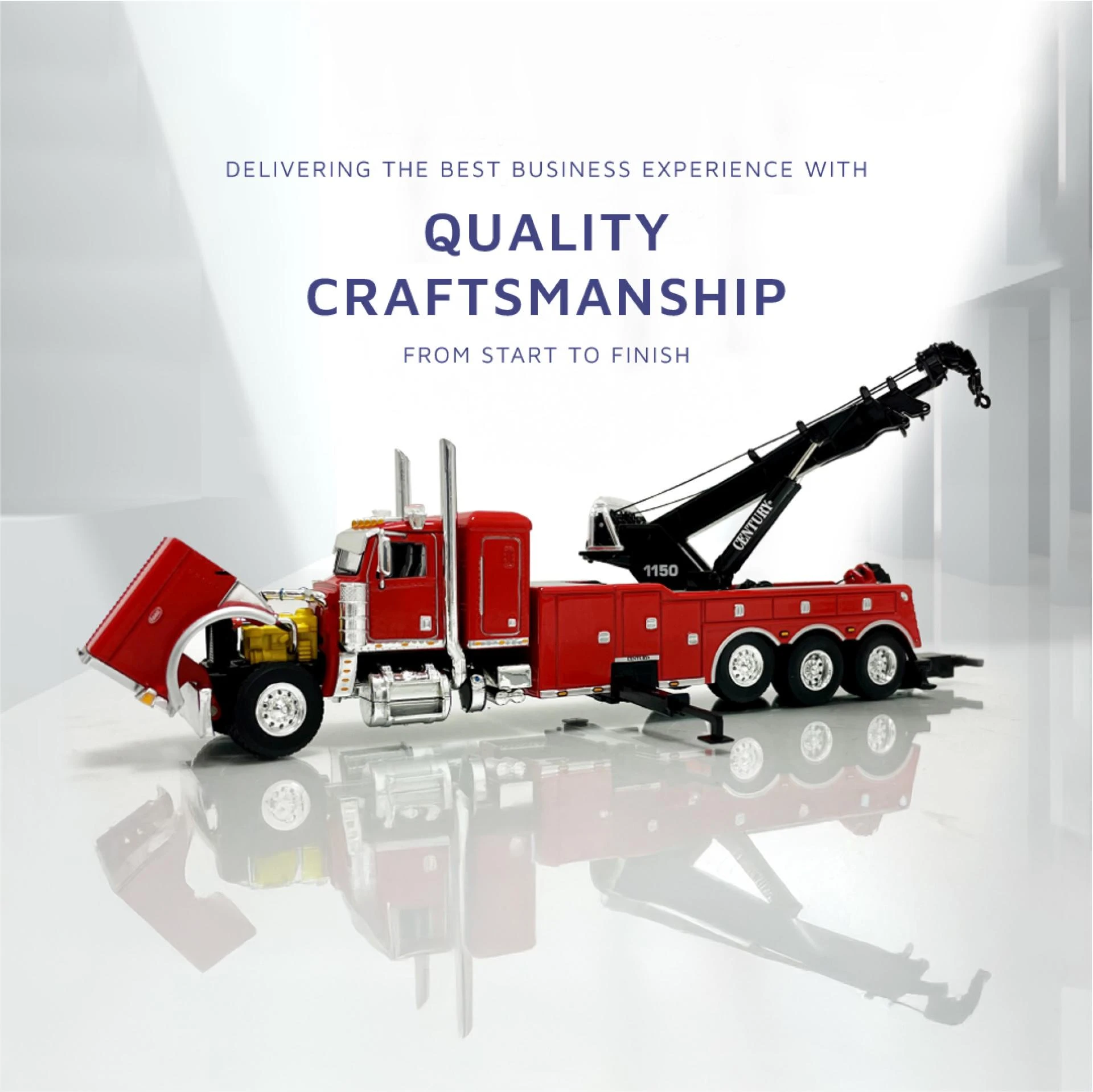
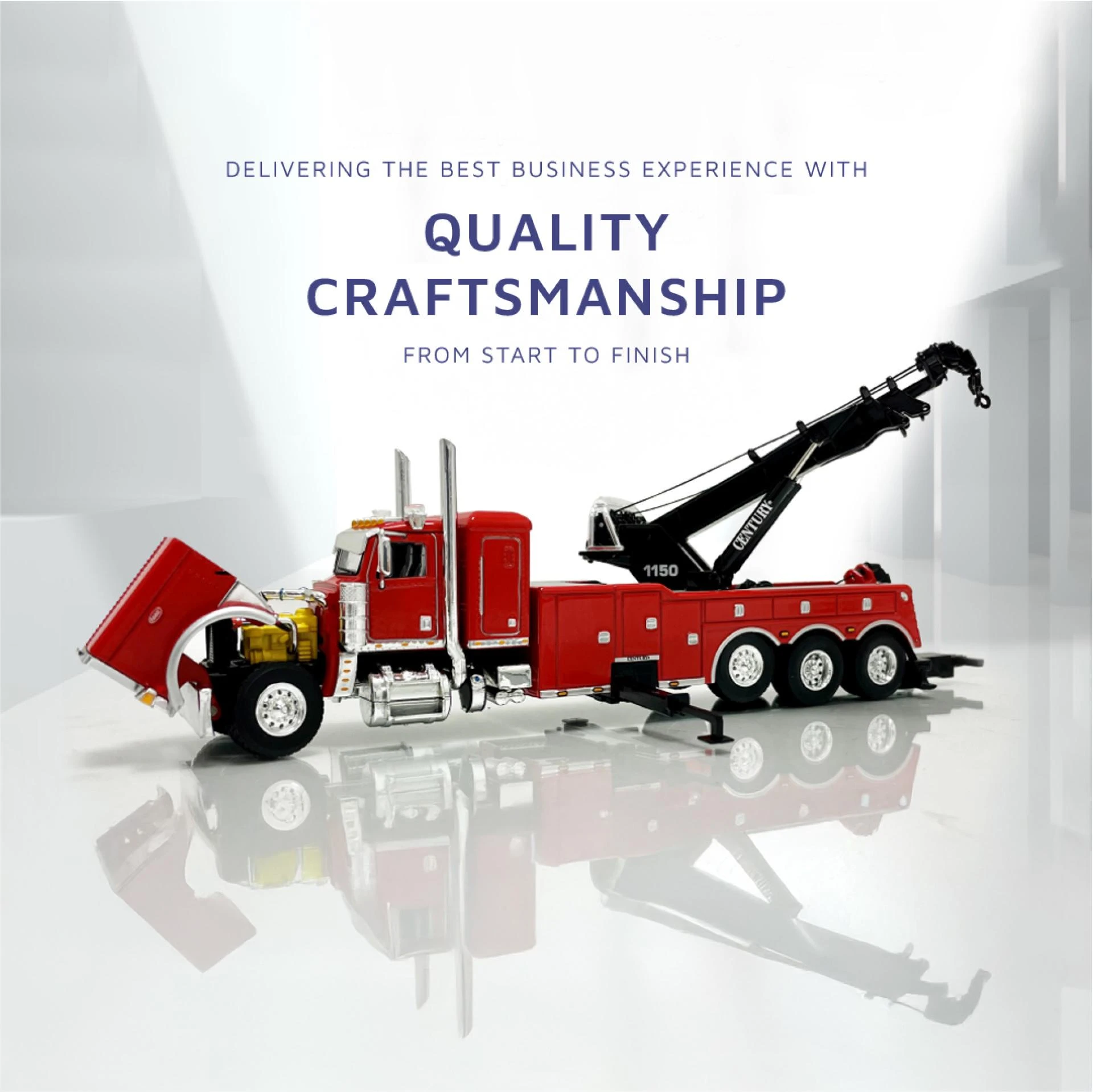
- Weathering Effects: To show that a model is a workhorse, like a tow truck with worn tires and faded paint.
- Cargo and Loadouts: Replicating a construction truck with bricks, logs, or concrete mixers.
- Sponsor Decals: On race cars, showing a historic sponsor lineup from a specific year.
- Interior Customization: Such as personalized dashboards or specific upholstery colors matching the original.
Each choice builds a stronger connection between the model and the viewer, especially when the story is personal.
The Rise of Storytelling in Custom Model Culture
Collectors and builders increasingly share the stories behind their custom models online. YouTube videos, Instagram posts, and blog articles are filled with origin tales—how a father’s car was turned into a scale replica, how a lost vehicle was honored through miniaturization, or how a customizer recreated an entire fleet from a local business.
This trend of pairing storytelling with craftsmanship has elevated the value and impact of custom diecast replicas. It also inspires others to document their own automotive memories through miniatures.
Storytelling for Marketing and Merchandising
Brands that understand the emotional power of storytelling are leveraging custom replicas in their marketing strategies. Limited-edition custom models, paired with behind-the-scenes videos, interviews, or packaging that explains the model’s background, can be highly effective in building deeper customer loyalty.
Examples include:
- Automotive brands releasing heritage collections.
- Beverage companies recreating their vintage delivery vehicles.
- Toy companies producing designer collaborations tied to real-world vehicles.
When combined with compelling copywriting, videos, and interactive content, a diecast model can become the centerpiece of an entire campaign.
Digital Tools Enhancing the Storytelling Experience
Technology now allows for more immersive storytelling around diecast replicas:
- QR Codes on Packaging: Leading to videos about the vehicle’s history or the building process.
- Augmented Reality: Enabling users to explore features or historical context through their phones.
- Online Customization Platforms: Letting users configure their own models with real-time 3D previews and personalizations.
These tools create new layers of engagement and turn each replica into a multimedia experience.
From Desk Piece to Legacy Object
What starts as a simple diecast model often becomes something far more valuable—a legacy object. Unlike digital files or even photographs, a physical model is tactile, long-lasting, and universally understood. It can be passed down, displayed, and appreciated without needing context. This is why families, companies, and institutions keep turning to custom diecast replicas to preserve and share their most important stories.
Conclusion: Big Stories in Small Packages
Custom diecast replicas offer a powerful, tangible way to tell stories that matter—stories of family, work, pride, culture, and history. Their value lies not just in their accuracy or rarity but in their ability to evoke emotion and preserve legacy.
Whether honoring a loved one, celebrating a business milestone, or educating the public, these miniatures pack the power of storytelling into every detail. As technology advances and creativity expands, the future of custom diecast replicas will continue to grow—not just in quality, but in the depth of the stories they tell.






















Sign in to leave a comment.