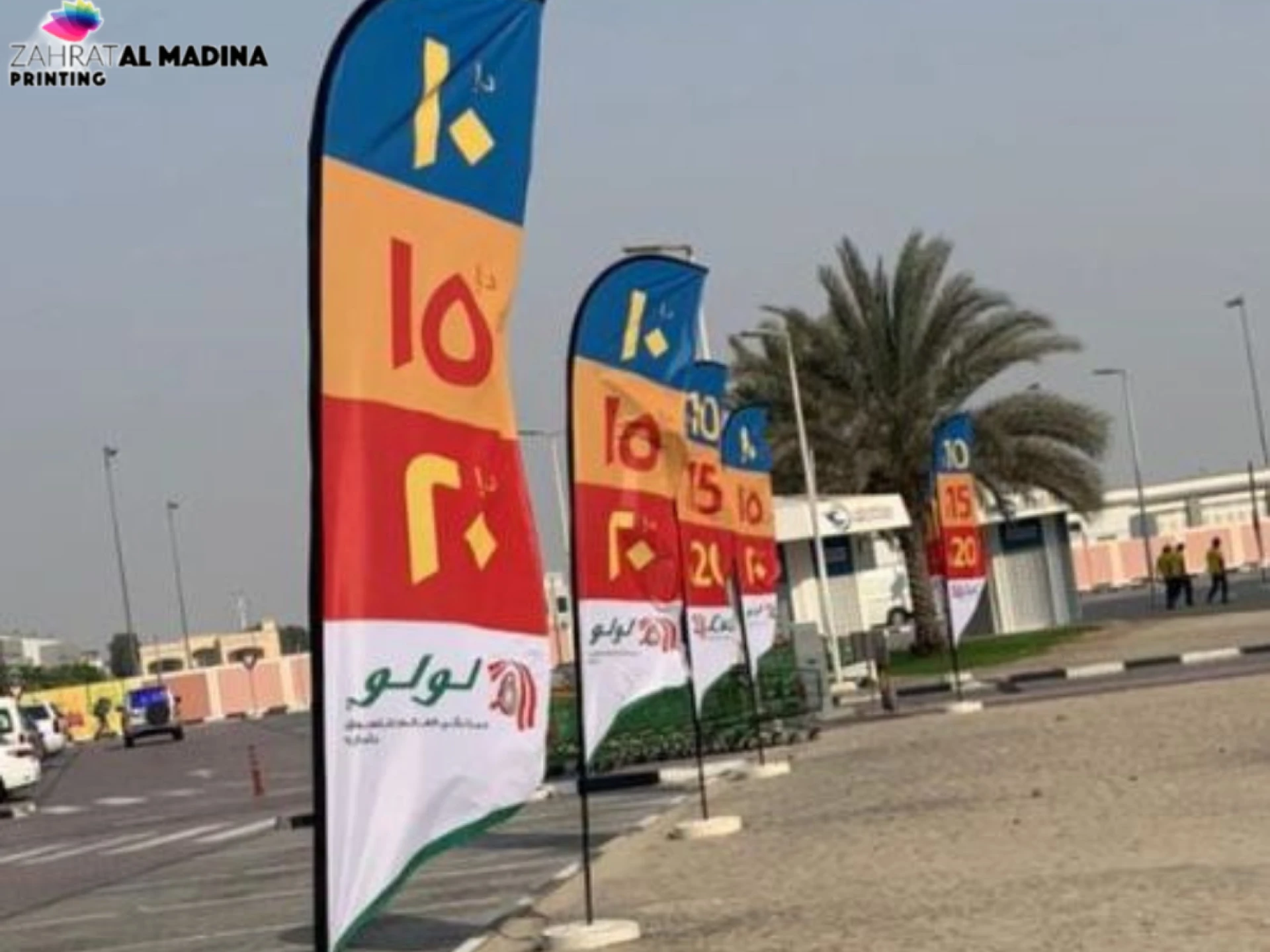
Flags are one of the oldest and most effective visual communication tools in human history. From representing nations and cultures to sharing messages at events and on vehicles, flags continue to hold strong relevance in modern society. Today, advances in printing technology have transformed how flags are produced, making custom flags printing more accessible, precise, and adaptable than ever before.
Whether used by organizations, institutions, or individuals, custom-printed flags allow for clear identification, message delivery, and visual impact. This article provides a detailed, beginner-friendly explanation of custom flags printing, including how flag printing works, the materials involved, common uses, benefits, limitations, and practical considerations. Special attention is also given to car flags, a widely used but often misunderstood flag type.
The goal is to give readers a complete and factual understanding of the topic using clear language and real-world context.
What Is Custom Flags Printing?
Custom flags printing is the process of creating flags based on specific design requirements rather than using pre-manufactured or standard flag designs. These custom designs may include logos, symbols, text, colors, or patterns chosen for a particular purpose.
Custom flags differ from generic flags in several ways:
- They are made to exact size specifications
- The design is unique or purpose-specific
- Materials are selected based on usage conditions
- Printing methods are chosen for durability and clarity
This type of printing is commonly used in business branding, public events, education, sports, and cultural activities.
How Flag Printing Works
Overview of the Flag Printing Process
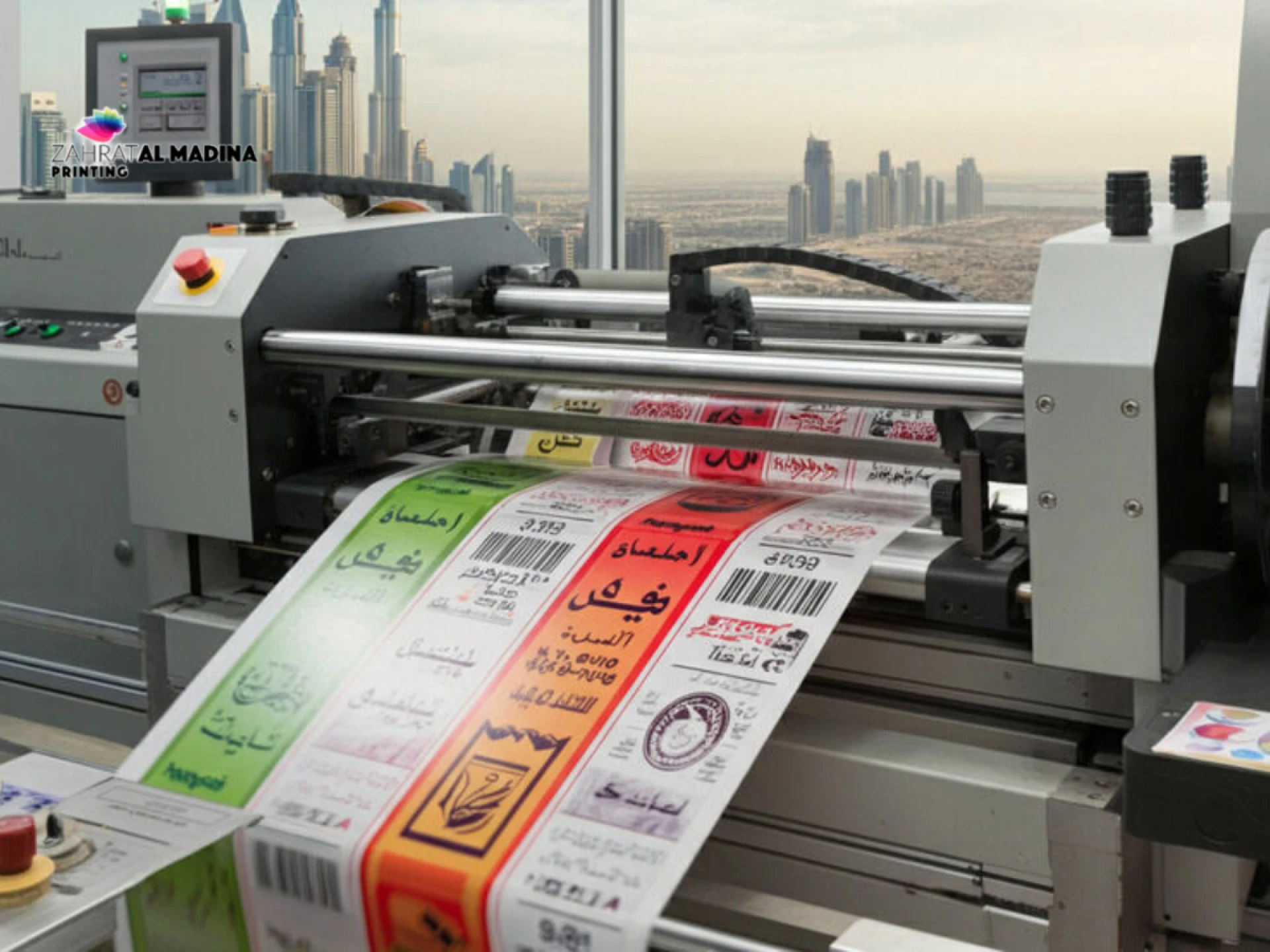
Flag printing involves transferring a digital design onto fabric in a way that ensures the image remains visible, durable, and suitable for the intended environment. Because flags are often exposed to wind, sunlight, and handling, the printing process must account for these conditions.
The basic steps include:
- Preparing the digital design
- Selecting the appropriate fabric
- Choosing the printing technique
- Printing and heat-setting the design
- Cutting, stitching, and finishing
Each step affects the final appearance and lifespan of the flag.
Materials Used in Custom Flag Printing
Common Flag Fabrics
Choosing the right fabric is essential in custom flags printing. Different materials perform differently depending on where and how the flag will be used.
Polyester
Polyester is the most commonly used fabric in flag printing. It is lightweight, durable, and resistant to weather conditions. Polyester allows ink to penetrate deeply, making designs visible on both sides of the flag.
Nylon
Nylon is smooth and slightly glossy, producing bright colors. It is often used for indoor flags or short-term outdoor display.
Decorative Fabrics
Materials such as satin or blended fabrics are mainly used for ceremonial or indoor purposes where visual appeal is more important than durability.
Factors That Influence Fabric Choice
When selecting a fabric, users should consider:
- Indoor or outdoor use
- Exposure to wind and sunlight
- Duration of display
- Size of the flag
These factors directly impact how long the flag will last and how well it performs.
Modern Printing Techniques for Flags
Dye-Sublimation Printing
Dye-sublimation is one of the most widely used methods in modern custom flags printing. The design is printed onto transfer paper and then applied to the fabric using heat and pressure.
Key advantages include:
- Long-lasting colors
- High resistance to fading
- Clear reproduction of detailed designs
- Ink penetration through the fabric
This method is suitable for large outdoor flags, indoor displays, and car flags.
Direct-to-Fabric Printing
In direct-to-fabric printing, ink is applied straight onto the fabric surface using specialized printers.
Advantages:
- Faster setup and production
- Suitable for smaller quantities
- Allows frequent design changes
Durability depends on ink quality and fabric type.
Traditional Screen Printing
Screen printing is still used for simple designs with limited colors.
Limitations:
- Less effective for complex images
- Higher setup time
- Reduced flexibility for customization
As a result, it is less common for modern flag printing needs.
Understanding Car Flags
What Are Car Flags?
Car flags are small flags designed to be attached to vehicles, usually on windows or special mounts. They are widely used during national celebrations, sporting events, public campaigns, and awareness drives.
Although they are smaller than standard flags, car flags require careful production to handle constant motion and airflow.
Special Requirements for Car Flags Printing
Car flags must meet specific criteria:
- Lightweight fabric to reduce strain
- Strong stitching to prevent tearing
- Fade-resistant inks for sun exposure
- Secure mounting systems
Custom flags printing for car flags often uses polyester fabric and dye-sublimation printing to balance strength and visual clarity.
Common Uses of Custom Flag Printing
Business and Corporate Use
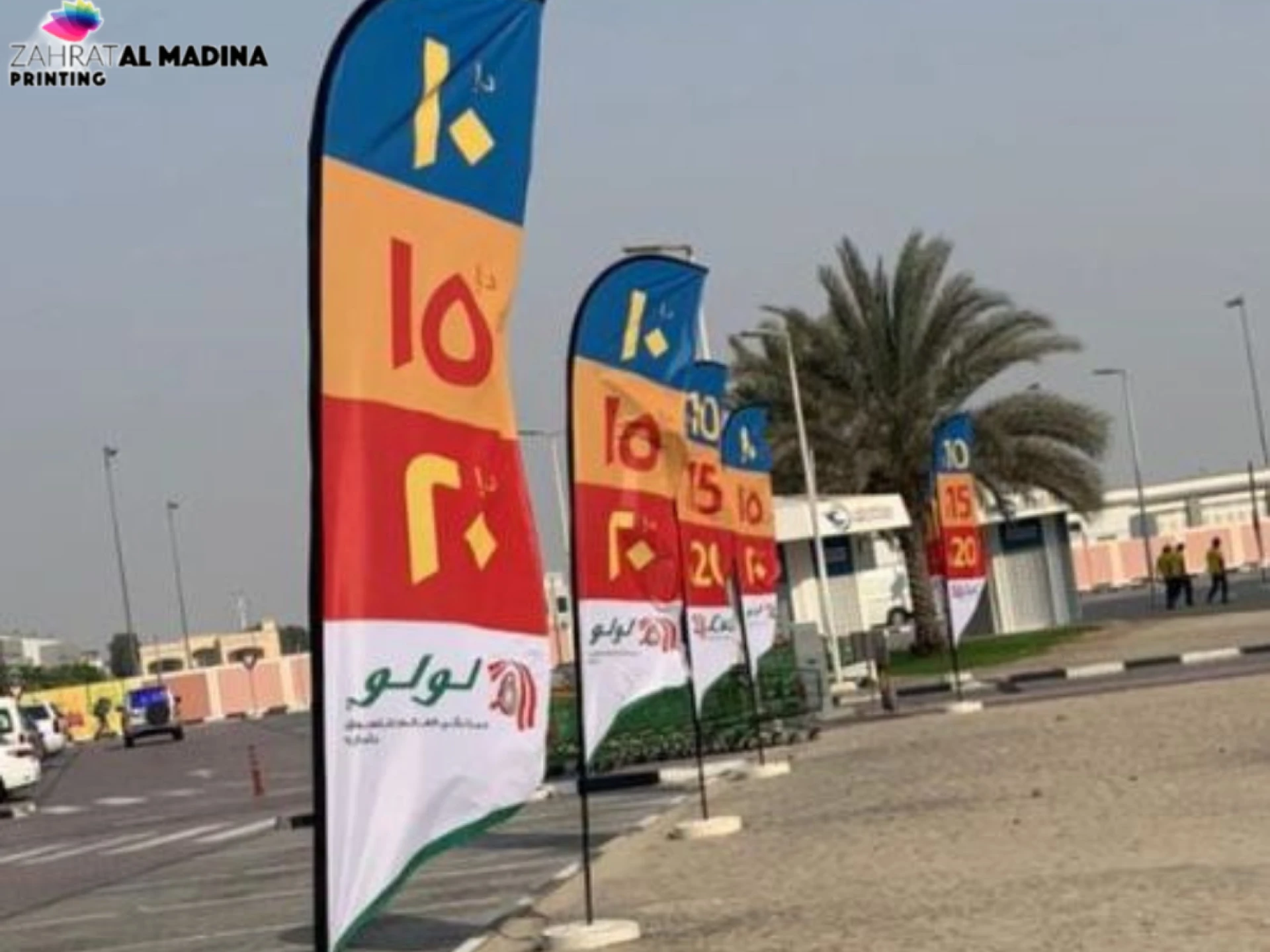
Organizations use custom flags to display logos or brand identities outside offices, at exhibitions, and during public events. Flags help increase visibility and provide a clear point of recognition.
Events and Gatherings
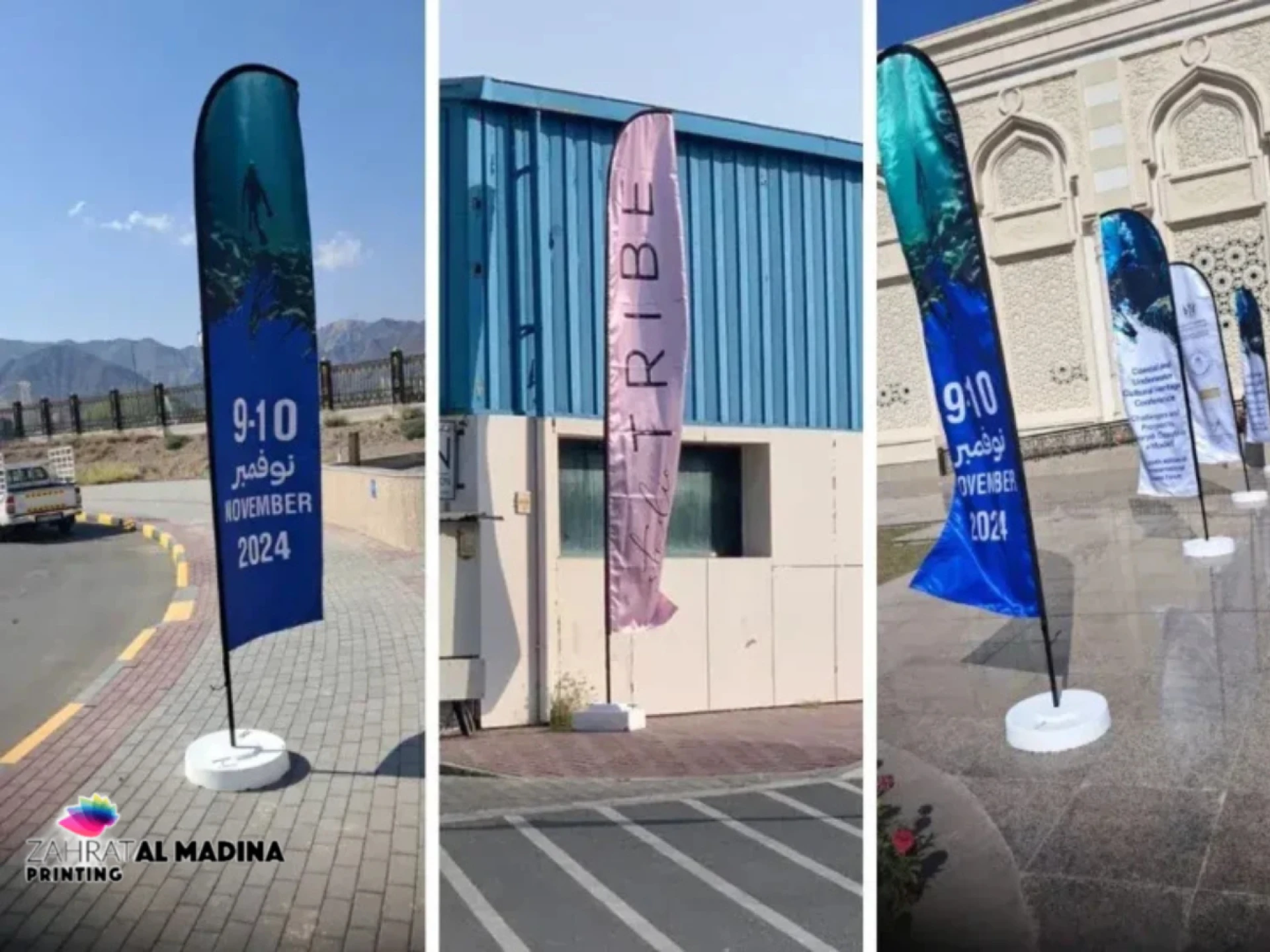
Festivals, exhibitions, conferences, and public gatherings rely on flags for decoration, guidance, and identification. Custom designs allow organizers to match flags with themes or branding.
Educational and Government Institutions
Schools, universities, and government offices use flags for official ceremonies, awareness programs, and institutional representation. Accuracy and consistency are especially important in these settings.
Cultural, National, and Sports Activities
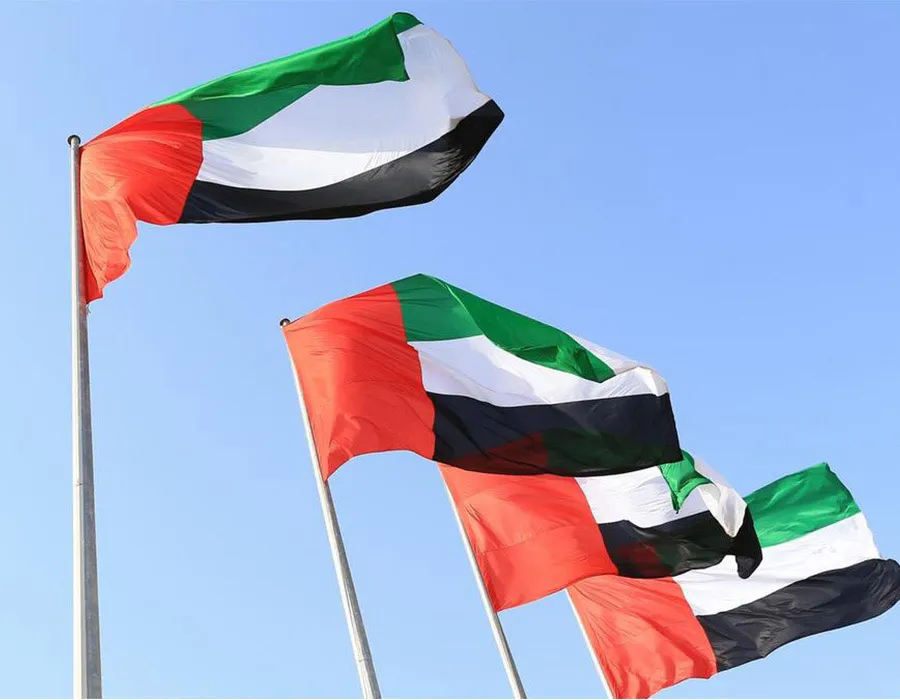
Handheld flags and car flags are commonly used during national holidays, sports tournaments, and cultural celebrations. Custom flag printing allows communities to express identity and unity visually.
Benefits of Custom Flags Printing
Clear and Immediate Visibility
Flags are designed to be seen from a distance. A well-printed flag delivers information quickly without requiring detailed explanations.
Design Control and Flexibility
Custom printing allows complete control over size, color, layout, and fabric choice. This flexibility supports a wide range of practical needs.
Adaptability Across Uses
From large outdoor flags to small car flags, the same printing technologies can be adapted to different formats and environments.
Practical Reusability
High-quality flags can be reused multiple times, making them a practical option for recurring events or long-term display.
Challenges in Flag Printing
Color Matching Issues
Colors on digital screens may appear different on fabric. Professional flag printing requires color calibration to achieve accurate results.
Exposure to Environmental Conditions
Outdoor flags face challenges such as sunlight, wind, and moisture. Choosing the right materials and printing methods helps extend lifespan.
Design Readability
Complex designs or small text may not be effective on flags, especially when viewed from a distance or in motion.
Wear and Replacement
All flags experience wear over time. Understanding expected durability helps users plan maintenance and replacement cycles.
Practical Design and Printing Tips
Use Simple, High-Contrast Designs
Bold shapes and clear colors improve visibility and readability, especially for outdoor and car flags.
Select the Right Size
The environment determines the ideal size. Larger spaces require larger flags, while vehicles require compact, lightweight designs.
Consider One-Sided vs. Double-Sided Appearance
Most flags are printed on one side, with the image visible in reverse on the back. Planning for this avoids confusion.
Understand the Role of Printing Providers
Companies such as Zahrat Al Madina Printing Services represent the type of professional printing providers that handle various print formats, including flags. Understanding the capabilities of such services helps users know how materials, printing techniques, and finishing processes are typically managed in the industry.
Environmental Considerations
As printing technology advances, environmental awareness has become more important. Some flag printing processes now use eco-friendly inks and recyclable materials.
Although flags are often used for events or temporary displays, responsible production and disposal can help reduce environmental impact.
The Future of Custom Flags Printing
The future of custom flags printing is shaped by improvements in:
- Digital printing precision
- Fabric durability
- Color management systems
- Sustainable materials
Automation and digital workflows continue to make flag printing more efficient while maintaining quality and consistency.
Conclusion
Custom flags printing plays an important role in modern communication, allowing individuals and organizations to share identity, information, and messages in a clear and visible way. By understanding flag printing methods, fabric choices, and practical uses—including specialized formats like car flags—readers can approach the topic with confidence and clarity.
While challenges such as environmental exposure and color accuracy exist, informed decisions about design and materials help address these issues effectively. Overall, custom flag printing remains a reliable and adaptable solution that combines traditional symbolism with modern technology to meet today’s diverse needs.



























Sign in to leave a comment.