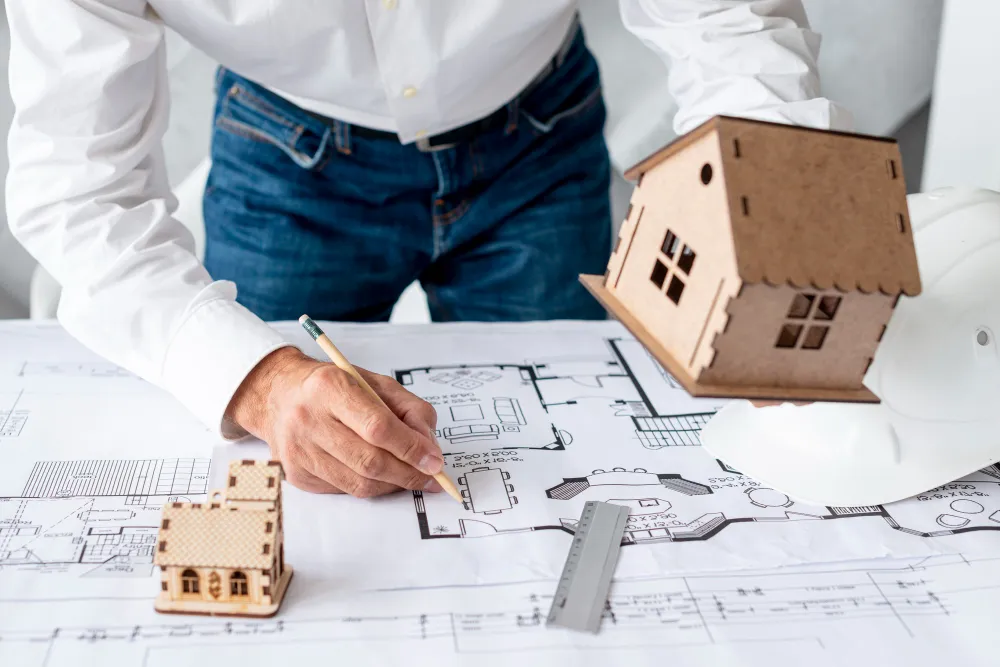

Families are changing. Three generations under one roof is no longer a compromise. It is a lifestyle choice that more Oakville families are making intentionally.
Grandparents want to stay close. Adult children want support with childcare. Everyone wants their own space. Modern design homes are becoming popular because they can give your family all of that at once.
But it only works when the design is right from day one.
Why Multi-Generational Living Is Growing in Oakville
The numbers back this up. Housing costs are high. Aging parents need support. Young families need help. Living together solves several problems in one move.
But the real shift is cultural. Families are choosing this, not settling for it. They want connection without sacrificing privacy. They want shared meals without shared bathrooms. That balance takes planning, and it starts with the right builder.
What Makes a Home Work for Multiple Generations
Not every large home supports multi-generational living. Square footage alone is not enough. The layout, flow, and zoning of spaces matter more than size.
Here is what a thoughtful multi-generational home usually includes:
- Separate entrances so each generation can come and go independently without disrupting the household
- In-law suites or secondary units with their own bedroom, bathroom, and kitchenette
- Soundproofed walls and ceilings between living zones to give everyone real privacy
- Accessible design features like wider doorways, step-free entries, and grab bars that work for aging parents without making the home feel clinical
- Shared gathering spaces that are large enough to bring everyone together comfortably for meals and family time
- Flexible rooms that can shift purpose as the family grows or needs change over time
Every family is different. The right layout depends on who is living there and how they want to interact day to day.
Home Design Choices That Bring It All Together
Good design does the heavy lifting here. It creates flow. It keeps spaces connected but separate. Good design makes a large home feel like one home, not two awkward units stuck together.
Working with experienced custom home builders Oakville gives families the freedom to make these decisions early in the process. You are not adapting an existing floor plan. You are building a home around your actual family dynamics.
That means you get to decide things like:
- Where the shared laundry room goes so it is convenient for everyone
- Whether the secondary suite sits above the garage or on the main floor
- How natural light moves through the home across different zones
- What the outdoor spaces look like so grandkids and grandparents can both use them comfortably
These details sound small. But they define daily life inside the home.
Some families hesitate because they assume multi-generational design means trade-offs. Less style. More function. A home that looks like it was built for logistics.
That is not the case. The best luxury home builders in Oakville integrate elegance into every square foot of the design. High-end finishes, open layouts, and thoughtful architecture can coexist with practical needs like accessibility and separate entrances.
You can have a home that feels beautiful and works for a 70-year-old and a 7-year-old at the same time.
Modern Design Makes Multi-Generational Living Easier
Older home layouts were not built for this. Closed rooms, narrow hallways, and rigid floor plans made it hard to adapt spaces.
Modern design homes use open concepts, flexible room configurations, and smart home technology to make multi-generational living genuinely comfortable.
They have great features like smart lighting and voice-controlled systems. Home automation is also becoming popular. Open layouts keep younger family members connected without feeling on top of each other. The architecture works with the family, not against it.
Start the Conversation Early
The worst time to think about multi-generational design is after construction begins. Once walls go up, options narrow fast.
The best builders will ask the right questions before they draw a single line. Who is moving in? What are their mobility needs? How much shared space does the family want? What might change in five or ten years?
Those answers shape everything.
If your family is thinking about building a home that works for every generation under one roof, start those conversations now. The right home does not just fit your family today. It grows with them.





























Sign in to leave a comment.