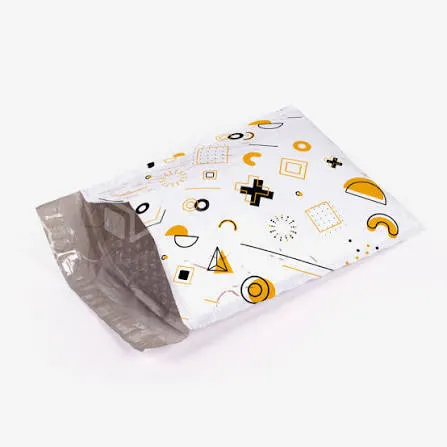

Custom product boxes are more than simple containers for protecting products. They are an important part of a brand’s identity, marketing strategy, and customer experience. Whether you sell cosmetics, food, candles, clothing, electronics, or luxury products, the right packaging can make your product look more professional and memorable.
In a competitive market, customers often notice packaging before they fully experience the product. A well-designed box can communicate quality, build trust, and encourage customers to remember your brand. This is why businesses of all sizes are investing in custom product boxes that are designed specifically for their products and target customers.
What Are Custom Product Boxes?
Custom product boxes are packaging boxes created according to a brand’s specific requirements. Unlike standard packaging, they can be customized in terms of size, shape, material, colors, printing, finishing, and structural design.
A custom box can be made to fit a single product perfectly or designed to hold multiple items together. Businesses can also add their logo, brand colors, product information, instructions, promotional messages, and other branding elements.
The goal is to create packaging that protects the product while presenting it in a professional and attractive way.
Why Custom Product Boxes Matter
Packaging plays an important role in how customers perceive a product. A plain or poorly fitted box may make an otherwise high-quality product look less valuable. On the other hand, attractive custom packaging can create a positive first impression.
Custom boxes can help businesses achieve several important goals:
- Strengthen brand recognition
- Protect products during storage and shipping
- Improve the customer unboxing experience
- Make products stand out on shelves
- Communicate product information
- Create a professional brand image
- Support promotional and marketing campaigns
For online businesses, packaging can be especially valuable. Customers may discover a product through a website or social media, but the physical packaging becomes part of their real-world experience with the brand.
Custom Packaging for Different Products
One of the biggest advantages of custom product boxes is flexibility. Different products require different packaging solutions.
For example, cosmetic brands may use custom lipstick boxes, foundation boxes, or skincare packaging. Candle companies may choose rigid candle boxes or printed candle packaging to create a premium appearance. Food businesses can use custom food boxes designed around the shape and size of their products.
Other popular options include custom soap boxes, jewelry boxes, electronics packaging, apparel boxes, subscription boxes, gift boxes, and retail packaging.
Because every product has different dimensions and requirements, custom packaging allows businesses to choose a box that provides an appropriate fit instead of relying on a generic size.
Choosing the Right Material
The material of a product box affects its appearance, durability, and overall cost. Businesses should select materials based on the product, shipping requirements, budget, and desired brand image.
Kraft paper is a popular option for brands that want a natural and environmentally conscious appearance. Cardboard is versatile and suitable for many retail products. Corrugated boxes provide additional protection and are commonly used for shipping.
For luxury products, rigid boxes can provide a stronger and more premium presentation. These boxes are often used for high-end cosmetics, jewelry, electronics, gifts, and specialty products.
Choosing the right material is important because packaging should not only look attractive but also provide sufficient protection throughout handling and transportation.
Design and Branding
The design of a custom product box should reflect the personality of the brand. Colors, typography, graphics, logos, and images should work together to create a consistent visual identity.
For example, a luxury brand may choose minimal colors, elegant typography, and premium finishes. A children's product brand might use brighter colors and playful illustrations. A natural skincare company may prefer earthy colors and simple designs.
Brand consistency is particularly important. When customers see the same colors, logo, and visual style across packaging, websites, social media, and advertisements, they can recognize the brand more easily.
Printing and Finishing Options
Modern packaging offers many printing and finishing possibilities. Businesses can choose from different printing methods depending on their design and budget.
Common finishing options include matte or glossy finishes, embossing, debossing, foil stamping, spot UV, and custom inserts. These features can add texture and visual interest to the packaging.
However, premium finishing is not always necessary. A simple, well-designed box can be highly effective when the design communicates the brand clearly. Businesses should focus on creating packaging that matches their product and audience rather than adding unnecessary features.
The Importance of Product Protection
Although appearance is important, the primary purpose of packaging is still product protection.
A properly designed custom box can reduce movement inside the package and help protect products from scratches, dents, dust, and other damage. Custom inserts can provide additional support for fragile or valuable items.
For products that are shipped directly to customers, packaging needs to withstand the handling involved in transportation. Choosing an appropriate box size and material can help reduce the risk of damage and improve customer satisfaction.
Custom Boxes and Customer Experience
Unboxing has become an important part of modern e-commerce. Customers frequently share their purchases on social media, creating opportunities for brands to receive additional exposure.
A thoughtfully designed box can make the unboxing process feel special. Branded tissue paper, inserts, thank-you cards, stickers, and product information can complement the main packaging.
When customers have a positive experience, they are more likely to remember the brand and potentially make another purchase.
Custom Packaging for Small and Large Businesses
Custom product boxes are not limited to large companies. Small businesses and startups can also benefit from professional packaging.
For a small business, packaging can help create a more established appearance and make products look ready for retail or online sales. As the business grows, packaging can be updated to accommodate new products, seasonal campaigns, or larger production quantities.
Larger companies can use custom packaging to maintain consistent branding across multiple product lines and distribution channels.
How to Order Custom Product Boxes
Before ordering custom boxes, businesses should determine the product dimensions, required quantity, preferred material, printing requirements, and budget.
It is also useful to consider how the boxes will be stored, shipped, displayed, and opened by customers. A packaging supplier can then recommend suitable box styles and materials.
Ordering a sample before placing a large production order is a smart step. A physical sample allows businesses to check the fit, print quality, colors, durability, and overall appearance before committing to a larger quantity.
Final Thoughts
Custom product boxes are an effective way to combine product protection with branding and marketing. The right packaging can make products look more professional, create a memorable customer experience, and help a business stand out from competitors.
Whether you are launching a new product or upgrading existing packaging, investing in custom boxes can be a valuable part of your overall brand strategy. By choosing the right size, material, design, printing, and finishing options, businesses can create packaging that protects their products while communicating the quality and personality of their brand.



















Sign in to leave a comment.