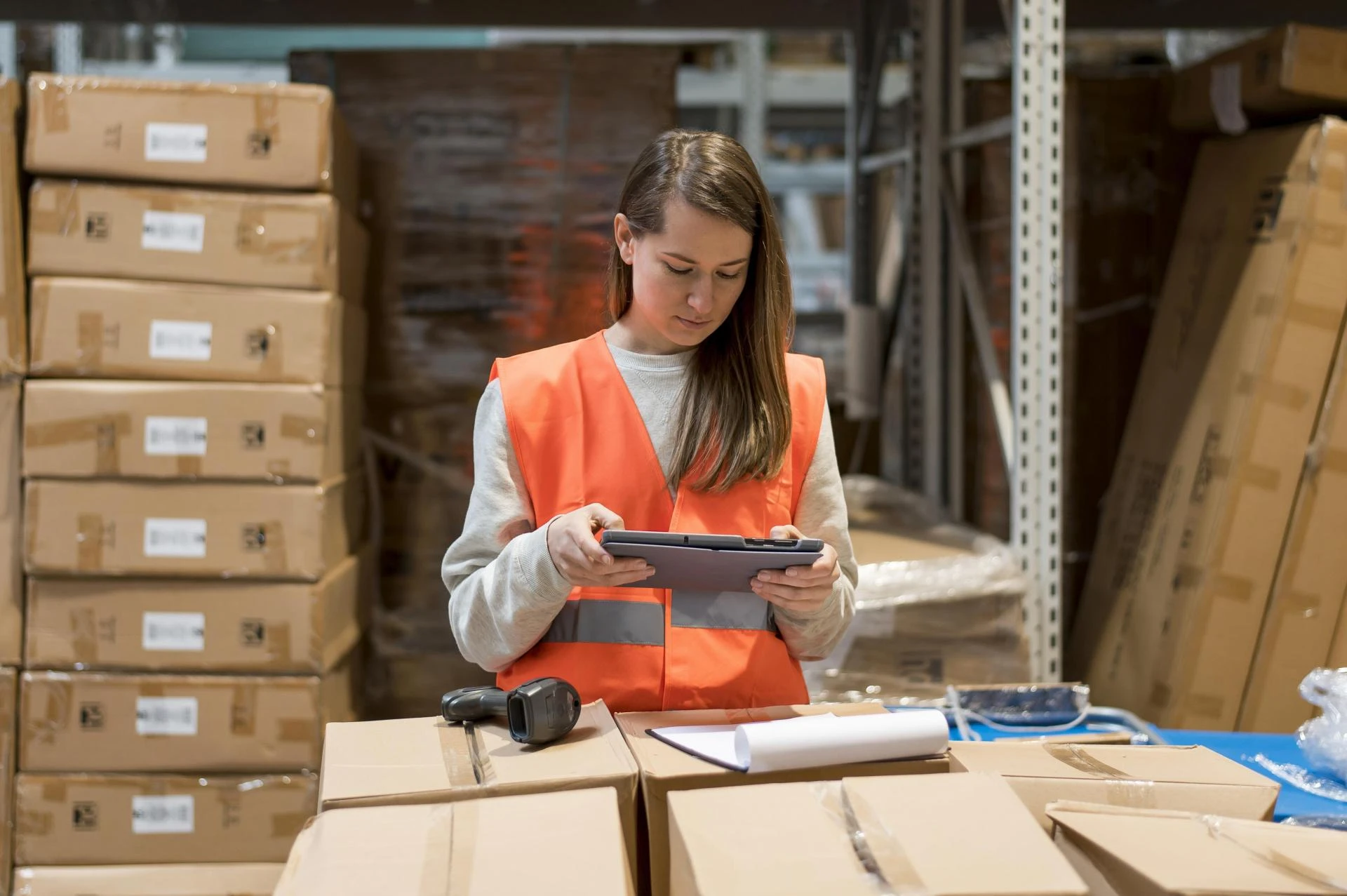

In today’s hyper-competitive retail landscape, logistics isn’t just a backend function—it’s a critical growth lever. From high delivery expectations to real-time inventory visibility, businesses are under intense pressure to modernize their logistics operations. That’s where retail logistics software becomes a game-changer.
By leveraging the power of artificial intelligence (AI), Internet of Things (IoT), and automation, custom logistics platforms are transforming fragmented supply chains into synchronized, efficient, and intelligent ecosystems. And it's not just about speed—it's about foresight, adaptability, and resilience.
Let’s break down how this evolution is reshaping the future of logistics in retail.
The Silent Shift in Retail Supply Chains
Traditional logistics workflows are reactive. Retailers often rely on outdated systems to track stock, process orders, and manage deliveries. These legacy tools offer limited visibility and minimal adaptability to external disruptions like traffic congestion, weather anomalies, or supplier delays.
What’s needed is a silent shift—from static systems to dynamic, intelligent platforms. Retail logistics software infused with real-time data and predictive analytics empowers businesses to preempt issues, streamline decisions, and deliver consistent customer satisfaction.
AI in Retail Logistics: Beyond Automation
Artificial Intelligence is no longer experimental—it’s foundational. In retail logistics, AI is revolutionizing how supply chains operate by making them smarter, not just faster.
Here’s how:
- Forecasting demand using historical sales, regional trends, and consumer behavior data.
- Routing deliveries through AI-powered route optimization engines that factor in traffic, weather, and fuel costs.
- Detecting inefficiencies such as recurring delays or underperforming third-party carriers.
- Auto-scheduling warehouse activities based on incoming shipments and inventory levels.
The integration of AI in logistics and transportation allows retailers to unlock predictive capabilities, minimize delays, and reduce operational overhead. It moves businesses from reactive firefighting to proactive orchestration.
IoT in Logistics: Building the Nerve Center of Supply Chains
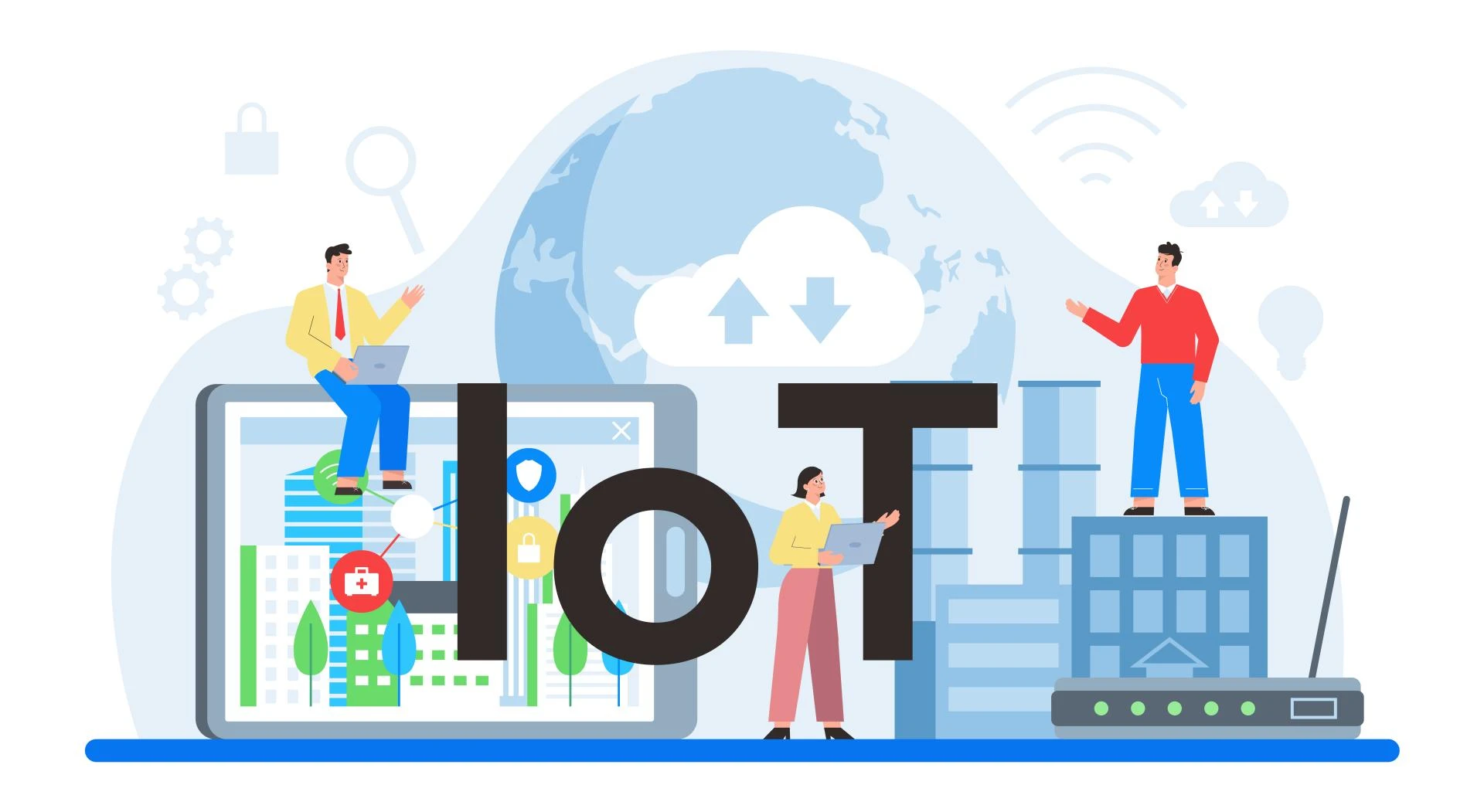
If AI is the brain, IoT is the nervous system. Sensors, trackers, and smart devices embedded across the supply chain create a constant stream of data—critical for real-time visibility and decision-making.
Here are a few standout use cases:
- Fleet and shipment tracking using GPS-enabled devices that share live location data with control centers.
- Inventory health monitoring through RFID and environmental sensors that track temperature, humidity, and stock levels in warehouses.
- Smart energy usage by connecting HVAC systems and lighting to occupancy and temperature sensors.
The impact of IoT in transportation and logistics is profound. Businesses gain transparency at every node—trucks, containers, shelves, and even delivery routes.
Custom Software: No More One-Size-Fits-All
Every retail business operates differently. A global brand managing hundreds of warehouses faces vastly different challenges than a regional D2C startup. That’s why off-the-shelf software often falls short.
Custom-built retail logistics software, tailored to a company's exact workflows and growth stage, allows for:
- Seamless integration with existing ERP, POS, and CRM systems.
- Modular designs that scale with demand fluctuations.
- Intuitive dashboards customized for operations, procurement, and logistics heads.
- Inclusion of role-based access and automation workflows.
Retailers seeking a future-ready solution should collaborate with a seasoned retail software development company that brings deep domain knowledge and tech capabilities to the table.
Automating the Warehouse: Faster, Smarter, Leaner
Warehousing is often the costliest and most complex part of the logistics chain. Introducing automation here—powered by AI and robotics—can lead to massive productivity gains.
Logistics warehouse automation involves deploying:
- Automated guided vehicles (AGVs) to move inventory.
- Robotic picking systems for faster order fulfillment.
- Computer vision systems for quality checks and sorting.
- Automated conveyor belts synchronized with backend software.
But beyond robotics, automation also involves smart workflows. For example, intelligent reordering rules based on sales patterns or AI-led bin placement algorithms that reduce picker travel time.
RPA: Bringing Intelligence to Repetition
While warehouse floors are going robotic, back offices are also getting an upgrade—thanks to Robotic Process Automation (RPA). RPA in retail logistics automates repetitive, rules-based tasks across the supply chain:
- Processing purchase orders
- Generating invoices
- Updating shipment statuses in portals
- Matching delivery receipts with invoices
By integrating RPA in retail logistics processes, companies can reduce human errors, speed up administrative work, and let teams focus on higher-order problem-solving.
Building the Tech Stack: Where to Begin?
Modernizing logistics is not about layering random tools—it’s about strategic alignment. Businesses must evaluate:
- Current gaps in visibility, communication, and decision-making.
- Data readiness: Can your systems support real-time and predictive data flows?
- Integration capabilities with suppliers, third-party logistics (3PL) providers, and distribution centers.
To navigate this journey, it’s advisable to engage technology consulting services that specialize in retail transformation. Such partnerships can guide retailers in selecting the right tech stack, defining workflows, and rolling out enterprise-grade solutions without operational disruption.
From MVP to Scale: The Development Lifecycle
The development process for retail logistics software is iterative and deeply collaborative. Here's a snapshot of how a typical journey unfolds:
- Discovery – Understand workflows, challenges, integrations, and business priorities.
- Blueprinting – Design the architecture, user roles, automation rules, and reporting needs.
- MVP Development – Build a minimal yet functional version for testing within select regions or product lines.
- Feedback Loops – Gather insights from real-world use and refine continuously.
- Scale and Support – Add more users, geographies, and integrations over time.
Working with a team skilled in enterprise software development services ensures that the platform remains scalable, secure, and adaptable to future innovations like drone deliveries or last-mile AI bots.
Final Thoughts: The ROI of Smarter Logistics
Investing in retail logistics software isn't about chasing trends—it's about staying relevant. Businesses that embrace intelligent logistics platforms report:
- Faster order fulfillment rates
- Greater inventory accuracy
- Reduced labor costs
- Higher customer satisfaction
More importantly, they gain the ability to pivot, scale, and adapt—key traits for resilience in a dynamic marketplace.
Retailers ready to lead the change can explore opportunities by collaborating with providers offering IoT development services and AI-powered logistics solutions. Whether you're starting from scratch or revamping legacy systems, now’s the time to align logistics with your broader digital strategy.
For tailored consultations and to take the first step toward smarter supply chains, Submit RFP.
Explore More: Custom Retail Logistics Software: AI & IoT for Next-Gen Supply Chain Optimization
























Sign in to leave a comment.