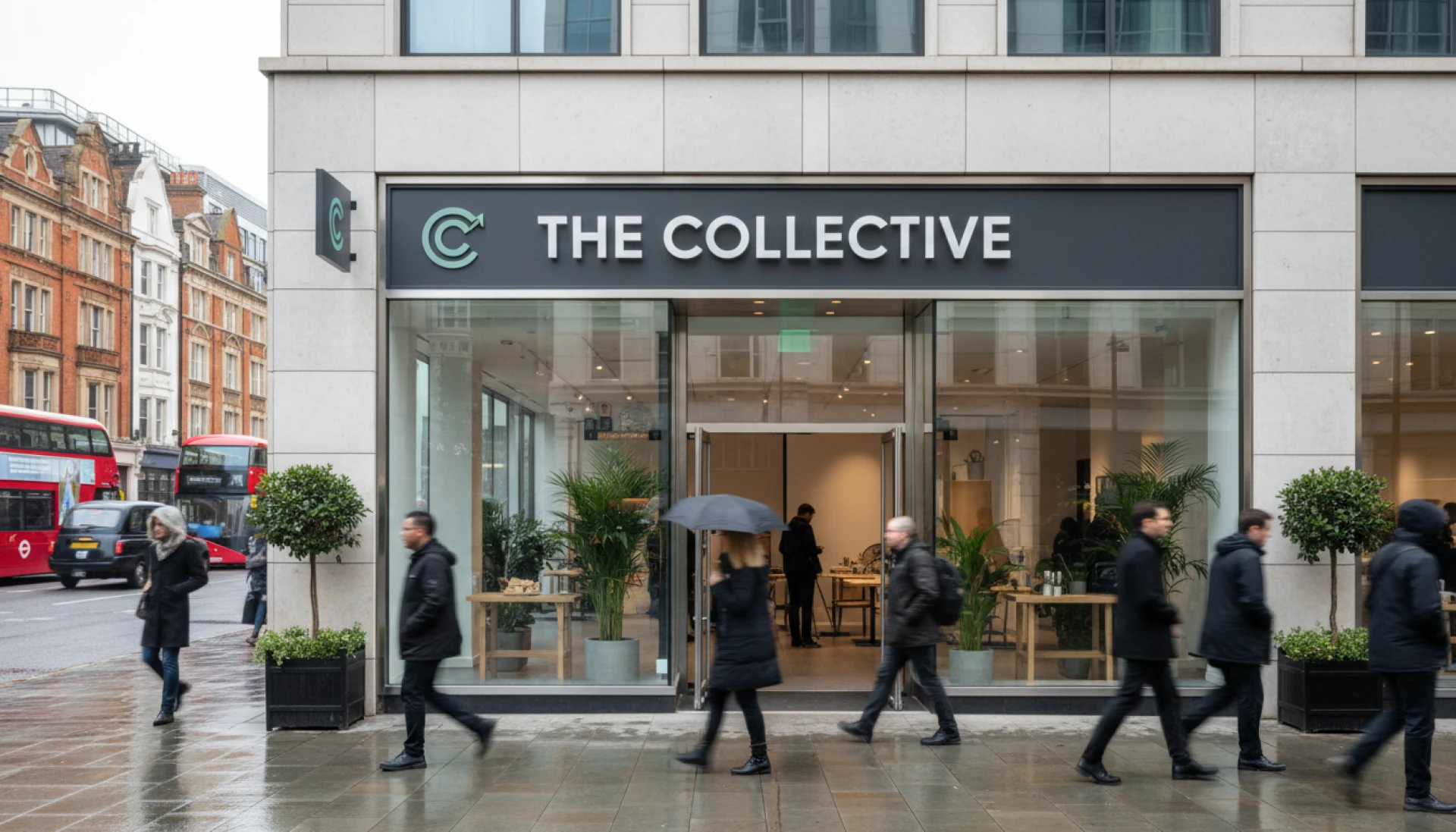
In today’s competitive retail and commercial landscape, first impressions shape customer decisions within seconds. Custom signs across the UK play a central role in how businesses present themselves to passing foot traffic and potential clients. Whether located in busy areas of London or growing commercial hubs like Manchester and Birmingham, companies compete visually before customers even step inside.
A professionally designed shop sign communicates credibility, attention to detail, and brand confidence. Generic or poorly maintained signage can unintentionally signal low standards. In contrast, bespoke signage reflects professionalism and builds trust instantly.
Strong visual identity also reinforces brand recall. When customers repeatedly see consistent colours, typography, and logo placement across shop fronts, interiors, and vehicles, recognition strengthens naturally. Over time, that familiarity translates into increased footfall and customer loyalty.
Types of Custom Signs in the UK Market
Businesses have access to a wide range of signage solutions, each designed for specific environments and marketing goals.
Shop Front & Fascia Signs
Fascia signs sit above storefronts and act as the primary brand identifier. Designers often use bold lettering, dimensional logos, or illuminated elements to maximise visibility. These signs must withstand British weather conditions while maintaining colour vibrancy and structural integrity.
Illuminated & LED Signs
Illuminated signs extend visibility beyond daylight hours. LED signage systems remain popular because they consume less energy and offer long operational lifespans. Backlit acrylic panels, halo-lit lettering, and lightbox signs create a modern appearance that attracts attention even in crowded streets.
Retailers operating late hours particularly benefit from illuminated branding. Restaurants, gyms, and convenience stores often rely on lighting to maintain consistent brand presence at night.
Interior Branding & Office Signs
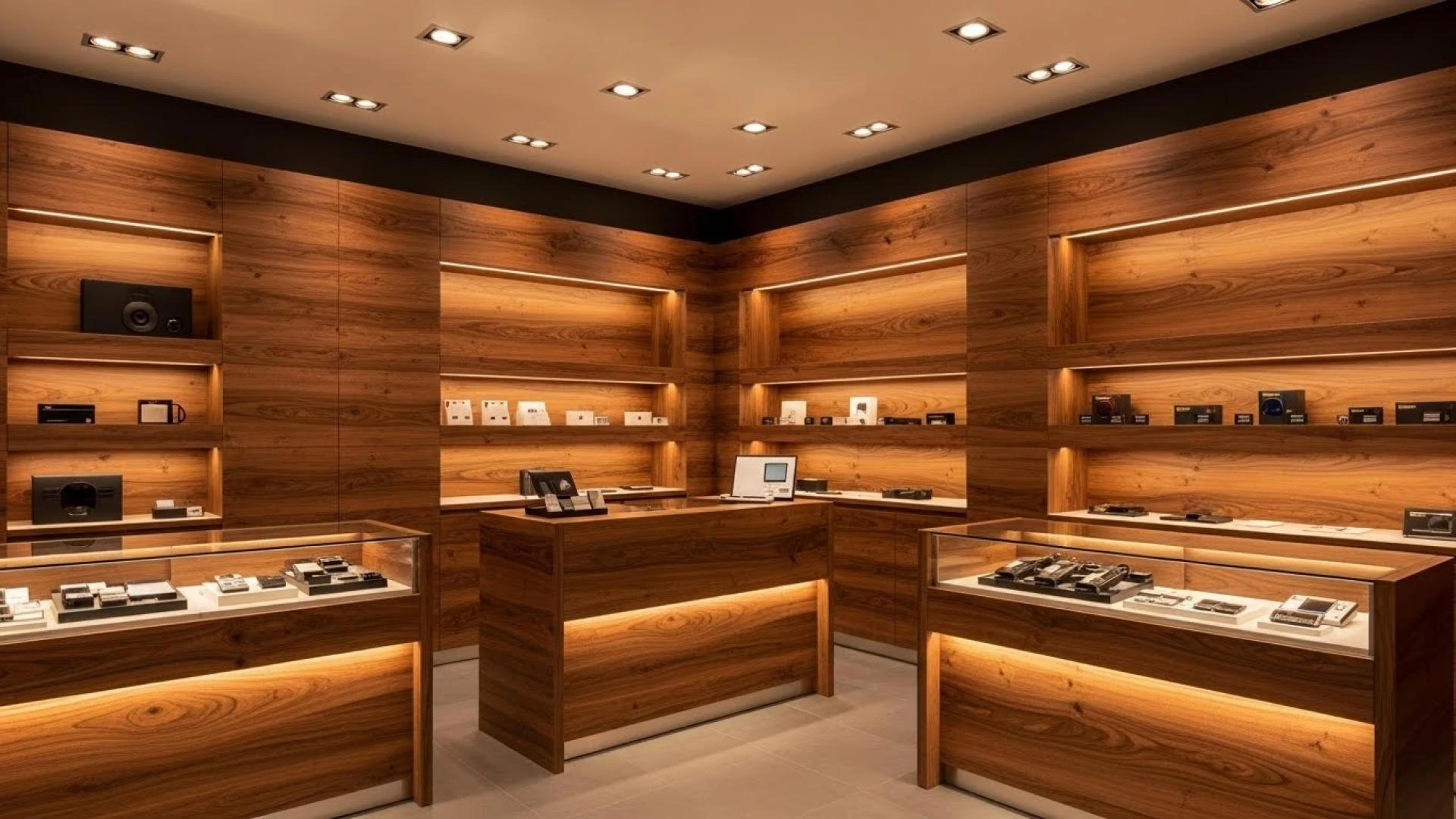
Interior signage shapes customer experience once visitors enter a space. Reception logos, wall graphics, and branded wayfinding elements reinforce company identity. Many corporate offices invest in acrylic logo panels or brushed metal lettering to create a polished, welcoming environment.
Office branding also influences employee morale. A thoughtfully designed interior communicates purpose and professionalism internally as much as externally.
Wayfinding & Directional Signage
Large facilities such as hospitals, shopping centres, and educational campuses require effective wayfinding systems. Clear typography, universal symbols, and strategic placement reduce confusion and improve visitor flow.
Effective directional signage enhances accessibility and supports inclusive design principles.
Vehicle Graphics & Fleet Branding
Commercial vehicle graphics transform vans and cars into mobile advertisements. High-quality vinyl wraps display logos, services, and contact details while maintaining professional aesthetics. Fleet branding ensures consistent visual identity across multiple locations.
Materials Used in Modern Bespoke Signage
Material selection significantly impacts durability, appearance, and budget.
Acrylic remains popular for its clean finish and versatility. Designers use it for illuminated boxes, 3D lettering, and reception panels. Aluminium composite panels offer lightweight durability, making them ideal for outdoor signs exposed to wind and rain.
Stainless steel delivers a premium look for corporate environments, while vinyl graphics allow cost-effective branding across windows, walls, and vehicles.
Sustainability has also become a priority. Many signage providers now explore recyclable materials and eco-friendly inks to reduce environmental impact. Businesses pursuing certifications like BREEAM often evaluate signage materials as part of their sustainability strategies.
The Design Process Behind Effective Commercial Signs
Creating impactful custom signs in the UK involves more than placing a logo on a board. Designers begin by analysing brand identity, target audience, and location context.
Typography plays a critical role. Fonts must remain legible from varying distances, especially on high streets with heavy foot traffic. Colour contrast also affects visibility, particularly under different lighting conditions.
Lighting design influences mood and practicality. Halo lighting produces subtle elegance, while fully illuminated panels maximise brightness in darker environments.
Businesses must also consider local planning regulations. Some councils require approval for illuminated or large-scale signs, particularly in conservation areas. Consulting professionals familiar with UK signage regulations reduces compliance risks and avoids costly revisions.
Members of organisations like the British Sign and Graphics Association often follow established industry standards, ensuring quality control and regulatory adherence.
Benefits of Investing in Professional Custom Signs
Professional signage delivers measurable long-term value.
- Enhanced Visibility: Eye-catching designs attract attention and increase walk-in traffic.
- Brand Consistency: Coordinated signage across storefronts, interiors, and vehicles reinforces recognition.
- Durability: High-quality materials resist fading, corrosion, and weather damage.
- Return on Investment: Unlike digital ads that require continuous spending, physical signage provides ongoing exposure after installation.
Businesses frequently report improved brand awareness after upgrading outdated signs. A refreshed façade often revitalises customer perception without requiring major structural changes.
Sustainability and Compliance in UK Signage
Sustainability continues shaping purchasing decisions across industries. Signage manufacturers increasingly adopt low-energy LED systems and recyclable substrates to reduce environmental footprint.
Compliance also remains essential. Local authorities regulate size, illumination, and placement to preserve urban aesthetics. Working with experienced providers ensures that installations meet council requirements while delivering strong visual impact.
Frequently Asked Questions
1. Do I need planning permission for custom signs in the UK?
Some signs, particularly illuminated or large exterior installations, require local council approval. Always check regional regulations before installation.
2. How long do outdoor shop signs typically last?
High-quality outdoor signs can last 5 to 10 years or more, depending on materials and environmental exposure.
3. Are LED signs energy efficient?
Yes. LED systems consume less power and offer longer lifespans compared to traditional lighting methods.
4. What materials are best for outdoor signage?
Aluminium composite panels, acrylic, and stainless steel perform well in UK weather conditions.
5. Can custom signs improve foot traffic?
Yes. Well-designed signage increases visibility and strengthens brand recognition, which often leads to higher walk-in rates.
6. Are sustainable signage options available?
Many providers offer recyclable materials and eco-friendly production processes to support environmental goals.



























Sign in to leave a comment.