When it comes to cleanroom environments, air filtration isn’t a nice-to-have it’s the core of compliance. Every pharma facility, biotech lab, or electronics plant depends on cleanroom filters to keep the air free from contaminants. But here’s a challenge that often gets overlooked until it becomes critical: sizing issues.
Filters that don’t fit perfectly into housings or AHUs (Air Handling Units) create what buyers call the “custom size headache.” The wrong dimensions, even by a few millimeters, can turn an otherwise high-quality HEPA filter into a compliance risk.
Let’s look at why sizing problems are so common, what happens when filters don’t fit, and how companies can avoid costly mistakes.
Why Size Matters So Much?
A cleanroom filter isn’t just a passive component. It must create an airtight seal inside its frame or housing. When there’s even a tiny gap, unfiltered air slips through something auditors call bypass leakage.
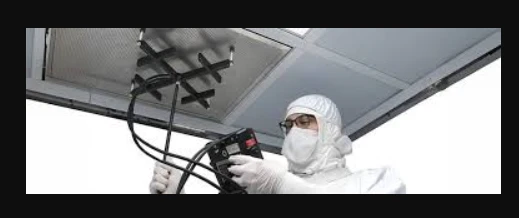
During certification tests like DOP/PAO or airflow uniformity checks, these leaks are quickly exposed. It doesn’t matter how efficient the filter media is; if the installation isn’t airtight, the filter fails.
And failure isn’t cheap. A rejected audit can halt production, waste entire batches, and damage credibility with regulators.
The Roots of the Problem
So why do sizing issues keep happening in the cleanroom filter market?
- Non-standardized housings: Cleanrooms are often built project-by-project. AHUs and filter housings vary widely, which means there’s no universal size standard.
- Relying on “off-the-shelf” filters: Procurement teams often default to standard-sized filters because they’re readily available. But when they arrive, they don’t always fit the installed frames.
- Poor communication between teams: Engineering, procurement, and quality teams don’t always align. A filter that “looks right” on paper may not fit in reality.
- Lack of supplier flexibility: Some vendors only stock limited sizes and push customers to adapt, instead of offering custom fabrication.
The outcome is predictable, last-minute scrambling for replacements, extended downtime, and unnecessary costs.
The Hidden Costs of Wrong Sizing
It’s tempting to think a small gap won’t matter. But in cleanroom operations, it matters a lot. The consequences include:
- Failed leak tests - auditors immediately flag bypass airflow.
- Wasted investment - high-quality filters rendered useless because they can’t seal properly.
- Delays in production - waiting weeks for custom replacements.
- Rising maintenance costs - makeshift adjustments that shorten filter lifespan.
In short, saving time by choosing “standard” filters often leads to far bigger losses later.
Customization: The Real Solution
The cleanest way to solve sizing headaches is customization. Reputable suppliers can fabricate filters tailored to exact specifications, ensuring a perfect fit and reliable seal.
Custom fabrication doesn’t just mean cutting a filter to size. It involves:
- Designing the right frame depth and thickness.
- Matching the gasket type to the housing.
- Ensuring compatibility with airflow rates in the AHU.
- Testing each unit before delivery to confirm sealing performance.
When this process is followed, filters pass audits more smoothly, and companies avoid the stress of last-minute failures.
The Role of Integrated Suppliers
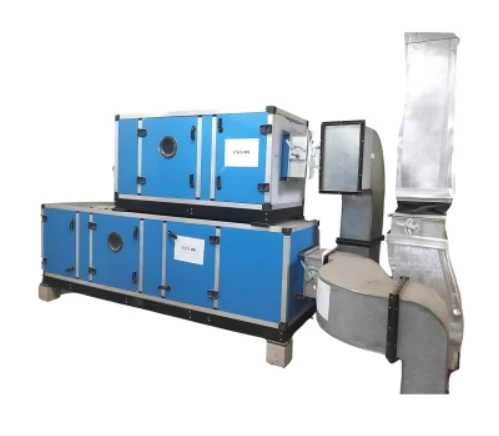
Sizing issues are less common when filters and AHUs are sourced together. That’s because integrated suppliers understand both components and can ensure compatibility from the start.
For example, when an AHU is paired with filters designed specifically for it, the risk of mismatch disappears. Companies that work with a single vendor for both equipment and filters save themselves from the headache of juggling multiple suppliers.
Best Practices to Avoid Sizing Mistakes
Pharma and biotech companies can reduce sizing headaches by following a few simple practices:
- Measure twice, order once - Always double-check housing dimensions before ordering filters.
- Involve technical teams - Engineers should review specifications, not just procurement staff.
- Choose suppliers with custom capabilities - Don’t settle for “close enough” fits.
- Align AHUs and filters early - If installing new equipment, source AHUs and filters together.
- Keep documentation ready - Record dimensions, certifications, and installation details for audits.
Why Trusted Partners Matter
At the end of the day, the sizing headache isn’t just about millimeters. It’s about working with suppliers who understand compliance and care about long-term performance.
Manufacturers with strong reputations in cleanroom equipment don’t just sell filters they provide solutions. They guide buyers on measurements, offer customization, and back every product with certification. This reduces risk and gives companies peace of mind before audits.
Final Thoughts
The sizing problem in the cleanroom filter market is one of those challenges that often seems small but creates big trouble. A filter that doesn’t fit properly is a filter that fails, no matter how good its efficiency rating may be.
For companies in pharmaceuticals, biotech, and electronics, the lesson is clear: don’t compromise on fit. Work with suppliers who can customize, validate, and integrate filters with your AHUs and cleanroom equipment.
In a world where compliance equals credibility, solving the custom size headache isn’t just about filters it’s about protecting business continuity and reputation.

























Sign in to leave a comment.