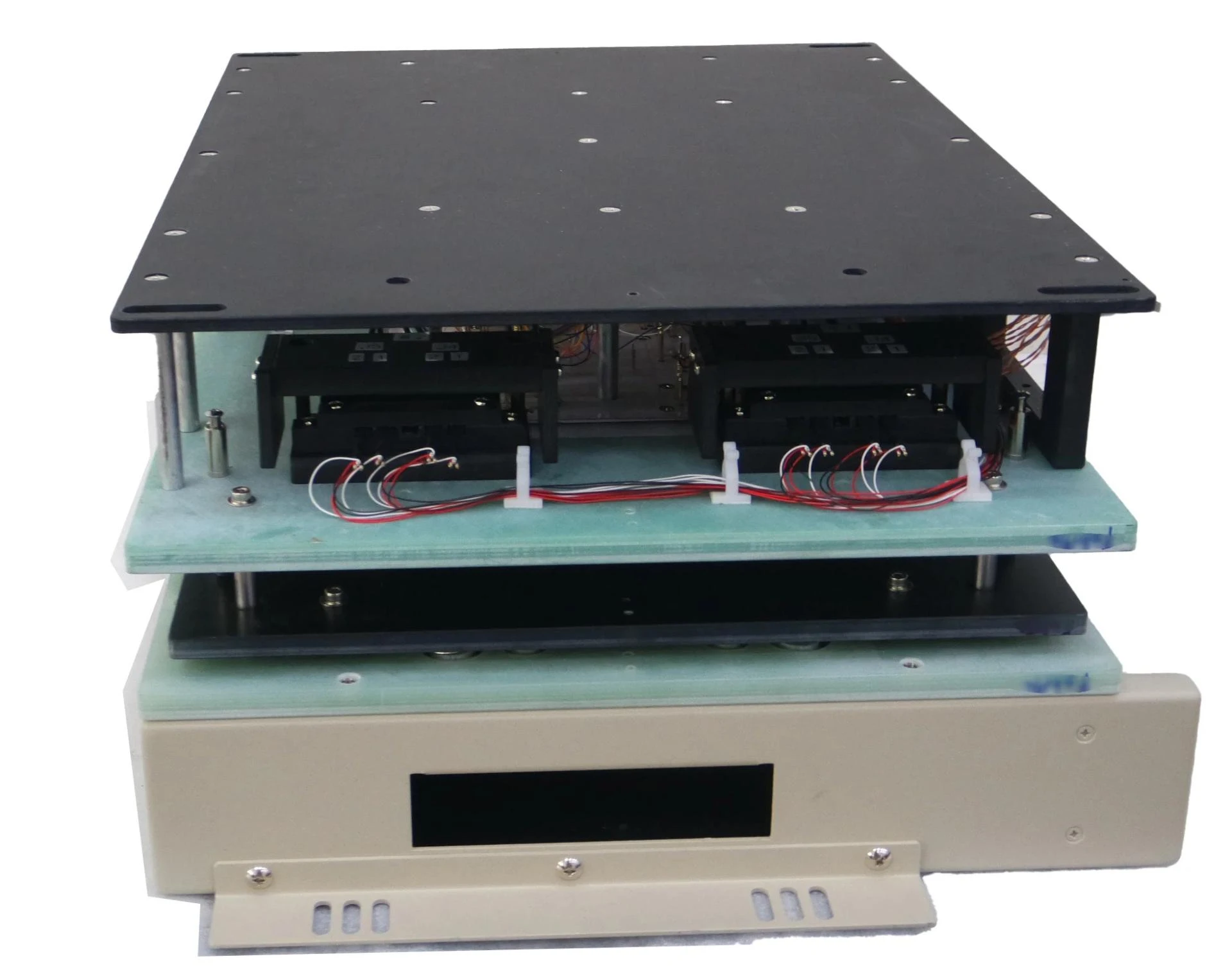

If you’re building electronics, you already know that making sure your PCBs work properly is non-negotiable. Nobody wants to ship faulty boards, deal with rework, or waste time troubleshooting things that could’ve been caught earlier.
That’s why In-Circuit Test Fixtures (ICT fixtures) are a big deal they help you test every component on your board after assembly, so you can catch issues before they become costly problems.
But here’s the thing:
When it comes to test fixtures, you’ve got two main choices:
Standard or Custom.
Not sure which one’s right for you? Don’t worry we’re breaking it down in plain English.
What Is a Standard In-Circuit Test Fixture?
Think of a standard fixture like a pre-made testing jig. It’s built to handle common board sizes and general layouts.
Why people go with standard fixtures:
· They’re cheaper – Great if you’re on a budget or doing a low-volume run.
· They’re fast – No waiting around for a custom design to be built.
· Perfect for early-stage testing – Especially when you're still figuring things out.
· Can be reused – If you’re working with boards that are kinda similar.
But keep in mind:
Since standard fixtures aren’t made just for your board, the test coverage might not be perfect especially if your board has a tricky layout or tightly packed components.
What About Custom In-Circuit Test Fixtures?
Now, if standard fixtures are “one-size-fits-most,” custom fixtures are tailored suits.
They’re built just for your PCB designed around your exact layout, test points, component placements, and whatever else your board needs.
Why people go custom
· Super accurate – You get pin-point test coverage, literally
· Handles complex boards like a champ – Especially if your layout is dense or oddly shaped.
· Awesome for high-volume production – Fast, repeatable, and super reliable.
· Add-ons are no problem – Like functional testing, sensors, or automation features.
Of course, all that customization costs more and takes a bit longer to build. But if you’re making lots of units or care about top-notch quality and speed it’s totally worth it.
So, Which One’s Right for You?
Let’s keep it simple:
If you're:
· Prototyping a new design
· Still tweaking your board layout
· On a tight budget
· Or just running a small batch
But if you're:
· In full production mode
· Making high-volume units
· Dealing with complex or high-density PCBs
· Or need high-speed, accurate testing
Then a custom fixture is the way to go. Yes, it’s a bigger upfront cost but the long-term benefits are massive.
And if you’re planning to scale soon, starting with a custom fixture now might actually save you time and money later.
Pro Tip: Your Manufacturer Matters
The fixture itself is important, but who builds it matters just as much.
A solid ICT fixture partner will:
· Know your industry and understand your board requirements
· Offer both standard and custom options
· Use modern tools to design your fixture (so it actually works)
· Be there for support after delivery, not just during sales
Basically, don’t just pick the cheapest vendor. Pick someone who’s going to be a real partner in your production process.
Final Thoughts
At the end of the day, both standard and custom ICT fixtures have their place.
It all depends on where you’re at:
· Just starting out? Standard.
· In full production? Custom.
· Somewhere in between? Talk to an expert they’ll help you figure it out.
What really matters is choosing the right fit for your workflow today and making sure you’re ready for what comes next.
Because whether you're building wearables, EVs, smart devices, or aerospace gear, a well-chosen test fixture can be the difference between smooth sailing and nonstop headaches.








Sign in to leave a comment.