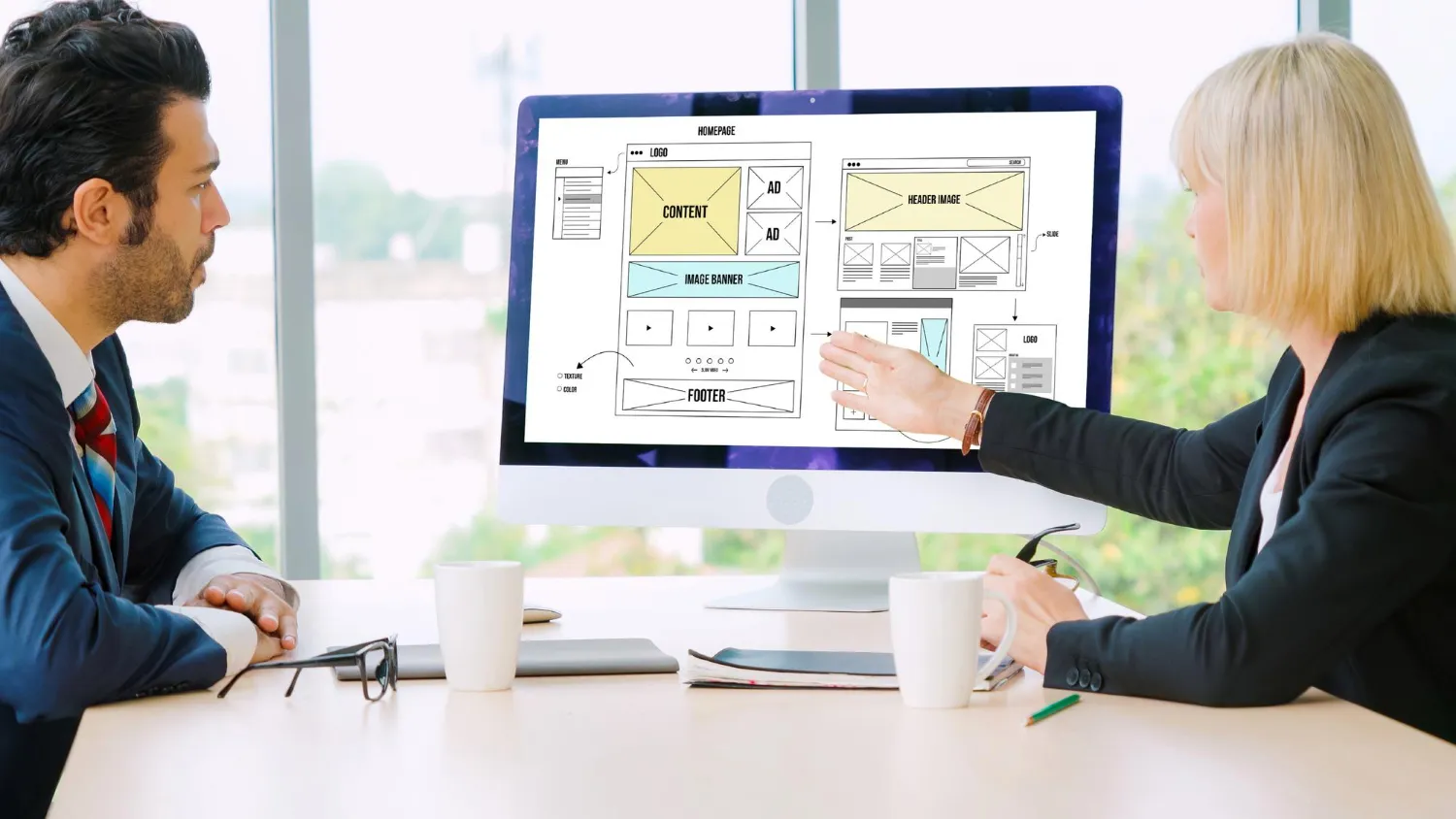

If you’re launching or upgrading a small business website, you’ve probably hit the ultimate crossroads: Should you buy a cheap pre-made template or invest in custom web design?
On paper, templates look incredibly tempting. They promise a quick setup, pre-built layouts, and a low upfront cost. But as your business grows, those quick shortcuts can turn into frustrating technical bottlenecks.
To help you make the right choice for your budget and growth goals, let's break down how custom web design and templates actually stack up against each other.
The Reality of Pre-Made Templates
Templates are essentially pre-packaged digital boxes. You plug in your text, swap the images, and publish.
The Pros:
- Low Initial Cost: Perfect if you have a tight budget or need a temporary landing page.
- Fast Setup: You can have a basic site live in a couple of days.
The Cons:
- Bloated Code & Slow Speeds: Templates are built to suit millions of different users, meaning they come packed with heavy scripts and features you’ll never use. This drags down page speed and hurts your search rankings.
- Lack of Uniqueness: Your website ends up looking identical to hundreds of competitors using the exact same theme.
- Rigid Customization: The moment you want a custom feature, the template breaks, forcing you into hacky workarounds.
The Power of Custom Web Design
Custom web design isn't just about making things look pretty; it’s about engineering a platform tailored specifically around your business model, customer journey, and conversion targets.
1. Built for High Conversion Rates
Instead of forcing your sales pitch into a rigid template layout, custom design maps out every button, heading, and form field to guide your visitors toward taking action.
2. Technical SEO & Speed Advantage
Clean, lightweight code ensures your site loads instantly. In 2026, fast loading speeds and clean technical architecture are essential for ranking on Google and being indexed by AI search engines.
3. Unlimited Scalability
As your small business introduces new services, booking systems, or portal features, a custom foundation grows with you without requiring a full site rebuild.
The Verdict: What Works Best for Your Brand?
If you are running a temporary side project or testing a concept, a basic template can get you started.
However, if your website is your primary engine for leads, client trust, and sales, investing in professional website design for small business growth is the smarter long-term move. Switching to custom website development ensures your brand stands out from competitors, loads lightning-fast, and converts passive visitors into paying clients.
Frequently Asked Questions
What are the main advantages of using pre-made website templates?
Pre-made templates offer a low initial cost and fast setup, making them ideal for those with tight budgets or needing a temporary solution. You can quickly launch a basic site by simply plugging in your content, which is great for short-term projects.
What are the downsides of using a template for my business website?
Templates often come with bloated code that can slow down your site, negatively impacting search rankings. Additionally, they lack uniqueness, making it difficult for your brand to stand out, and customization options are limited, often leading to frustrating workarounds.
Why should I consider custom web design for my business?
Custom web design is tailored specifically to your business needs, enhancing user experience and guiding visitors toward conversions. It allows for clean, lightweight code that improves loading speeds and technical SEO, which are crucial for online visibility.
Is custom web design scalable as my business grows?
Yes, custom web design provides unlimited scalability, allowing your website to grow alongside your business. Whether you introduce new services or features, a custom-built site can adapt without requiring a complete overhaul.
When is it appropriate to use a pre-made website template?
Using a pre-made template is suitable for temporary projects, such as landing pages or concept testing. If you need something quick and low-cost, a template can serve its purpose, but consider switching to custom design as your business needs become more complex.
How does custom web design improve conversion rates?
Custom web design focuses on creating a user-friendly experience by strategically placing elements like buttons and forms to guide visitors towards taking action. This tailored approach helps increase conversion rates, turning casual visitors into paying clients.
What should I consider when deciding between a template and custom design?
Consider the long-term goals of your website. If your site is crucial for generating leads and sales, investing in custom design can provide better performance, unique branding, and scalability compared to the limitations of a template.




























Sign in to leave a comment.