

Every growing Indian business hits the same moment sooner or later. Odoo does 80 percent of what you need, and someone says, "Can we just change this one thing?" That one change is where many implementations quietly go wrong. Across Indian SMEs in manufacturing, trading, retail and services, the same lessons keep repeating.
Lesson 1: Configure first, customize last
Odoo is more flexible out of the box than most teams realize. Approval rules, custom fields, automated actions, pricing lists and report layouts can often be set up without writing code. A good Odoo partner in India will always ask, "Can we solve this with configuration?" before opening a code editor. Every line of custom code is something you must test, maintain and carry through each upgrade.
Build for your process, not your habit
Many businesses ask developers to copy their old spreadsheet or Tally workflow exactly. That gives you a new system with old inefficiencies. Before customizing, map the process and ask why each step exists. Sometimes the best "customization" is removing a step.
Respect the Indian compliance layer
GST, e-invoicing, e-way bills and TDS are not optional extras. Heavy changes to accounting or invoicing flows can interfere with localization updates and filing requirements. Always keep compliance modules close to standard, and put any additional logic in separate, well-documented custom modules instead of editing core files.
Lesson 2: Never touch the core
The most expensive mistake is modifying Odoo's core code directly. It works today and breaks at the next version upgrade. Custom features should live in their own modules that extend standard behavior. This keeps your system upgrade-ready and makes bugs easier to trace.
Document and test everything
Custom modules without documentation become a dependency on one developer. Insist on clear technical notes, a staging server for testing, and sign-off from the actual users before anything goes live. Many failed projects aren't technical failures at all, because nobody tested the change with the people who use it daily.
Plan for the upgrade from day one
Odoo releases new versions regularly. Every customization should be written with that in mind, which means using standard APIs, keeping modules small and avoiding hard-coded values. Businesses that plan this way upgrade in weeks, while those that don't can face months of rework.
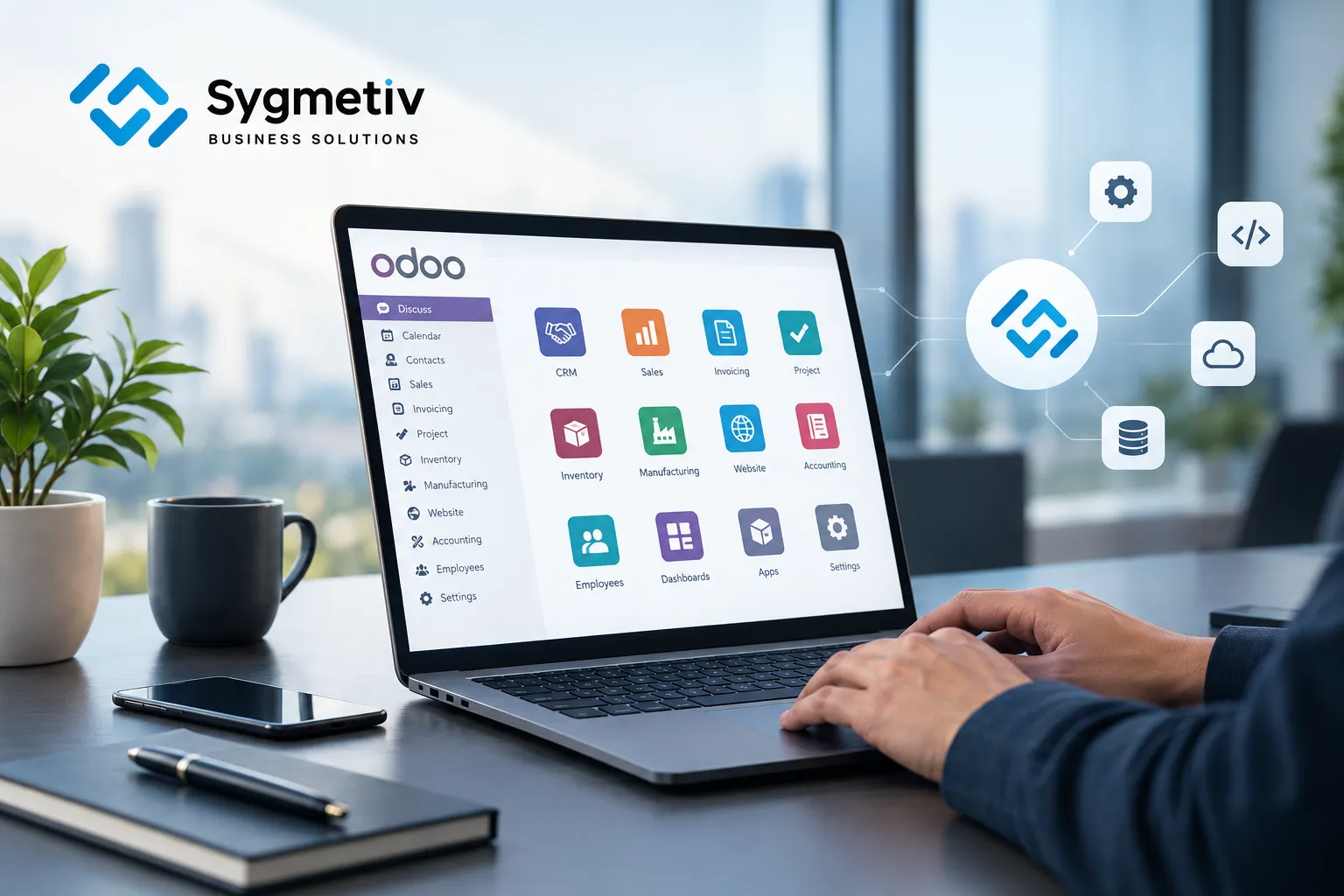
Lesson 3: Choose a partner who says no
The best sign of a reliable Odoo partner India businesses can trust is a willingness to push back. A partner who agrees to every customization request is building you a maintenance problem. One who explains the cost, offers a simpler alternative and still delivers what you truly need is protecting your investment.
A simple checklist before you customize
- Can this be done with standard settings?
- Does it affect GST or accounting flows?
- Will it survive the next Odoo upgrade?
- Is it documented and tested on staging?
- Who will maintain it in two years?
Final thoughts
Odoo's real strength is that it can grow with your business, but only if it's customized with discipline. The Indian businesses that get the most from it keep changes small, modular and well documented, and work with partners who think about long-term maintainability. If you're planning an ERP rollout and want to get customization right the first time, working with an experienced Odoo partner in India can save you months of rework and a lot of cost. You can also explore how Sygmetiv, a trusted Odoo partner India based in Kochi, Kerala, helps businesses implement and tailor Odoo the right way.






















Sign in to leave a comment.