
In today’s digital age, where technology pervades every aspect of our lives, the automotive industry is no exception. With the integration of advanced electronic systems and connectivity features, vehicles have become vulnerable to cyber threats. This article delves into the realm of cybersecurity in the automotive industry, analyzing its significance, evolution, challenges, and future prospects.

Introduction to Cybersecurity in Automotive Industry
In recent years, the automotive sector has witnessed a paradigm shift towards connected and autonomous vehicles. While these technological advancements offer numerous benefits such as enhanced safety and convenience, they also expose vehicles to cyber risks. As vehicles become increasingly connected to the internet and external networks, they become susceptible to cyber attacks.
Evolution of Automotive Cybersecurity
The concept of automotive cybersecurity is not new. Historically, automotive systems were isolated and mechanical, making them less vulnerable to cyber threats. However, with the proliferation of electronic components and software-driven functionalities, the threat landscape has evolved. Today, vehicles rely heavily on complex software systems and interconnected networks, creating new avenues for exploitation by malicious actors.
Key Components of Automotive Cybersecurity
Securing modern vehicles involves safeguarding various components such as vehicle networks, Electronic Control Units (ECUs), software, and access controls. Vehicle networks facilitate communication between different onboard systems, while ECUs control critical functions such as engine management and braking. Securing these components is essential to prevent unauthorized access and manipulation.
Vulnerabilities in Connected Vehicles
Connected vehicles are vulnerable to a wide range of cyber threats, including remote hacking, data breaches, and privacy infringements. Hackers can exploit vulnerabilities in vehicle software or communication protocols to gain unauthorized access and manipulate critical functions. Moreover, compromised vehicles pose risks not only to their occupants but also to other road users and infrastructure.
Cybersecurity Regulations and Standards
Recognizing the importance of automotive cybersecurity, regulatory bodies and industry organizations have developed standards and guidelines to ensure the safety and security of vehicles. Standards such as ISO/SAE 21434 and UN Regulation R155 provide frameworks for implementing cybersecurity measures in vehicles. Compliance with these standards is mandatory for automotive manufacturers.
Strategies for Enhancing Automotive Cybersecurity
To mitigate cyber risks, automotive manufacturers employ various strategies, including secure software development practices, intrusion detection systems, and collaboration with cybersecurity experts. Secure coding practices, regular security assessments, and threat intelligence sharing are essential components of a robust cybersecurity strategy.
Future Trends in Automotive Cybersecurity
Looking ahead, the future of automotive cybersecurity is promising yet challenging. Advancements in artificial intelligence, blockchain technology, and predictive analytics hold the potential to enhance threat detection and response capabilities. However, the dynamic nature of cyber threats requires continuous innovation and adaptation to stay ahead of malicious actors.
Case Studies and Examples
Several high-profile cyber incidents in the automotive industry highlight the importance of cybersecurity. From remote hijacking of vehicles to data breaches and ransomware attacks, these incidents underscore the need for proactive cybersecurity measures. On the positive side, successful implementation of cybersecurity measures has helped prevent potential threats and protect vehicle integrity.
The Role of Consumers in Ensuring Cybersecurity
While automotive manufacturers play a crucial role in ensuring the security of vehicles, consumers also have a responsibility to protect themselves from cyber threats. Awareness about common cyber risks, adherence to security best practices, and timely software updates are essential for maintaining the security of connected vehicles.
Challenges and Opportunities
Balancing cybersecurity requirements with cost and performance considerations remains a significant challenge for automotive manufacturers. However, investments in cybersecurity can also present opportunities for innovation and market differentiation. By prioritizing cybersecurity and adopting a proactive approach, automotive companies can gain a competitive edge in the market.
Conclusion
In conclusion, cybersecurity is paramount in the automotive industry to ensure the safety, security, and integrity of vehicles and their occupants. As vehicles become increasingly connected and autonomous, the need for robust cybersecurity measures becomes even more critical. By staying abreast of emerging threats, adhering to industry standards, and fostering collaboration, the automotive industry can effectively mitigate cyber risks and build trust among consumers.
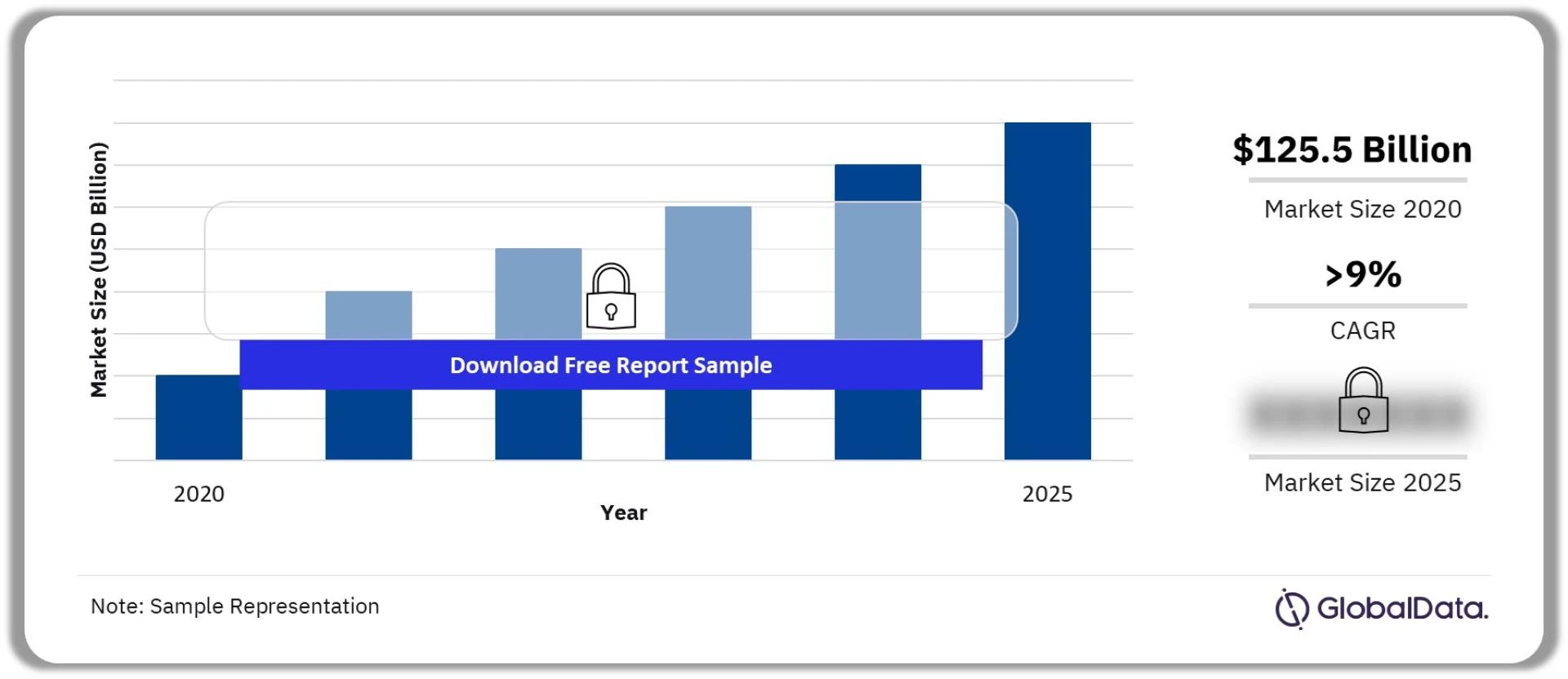
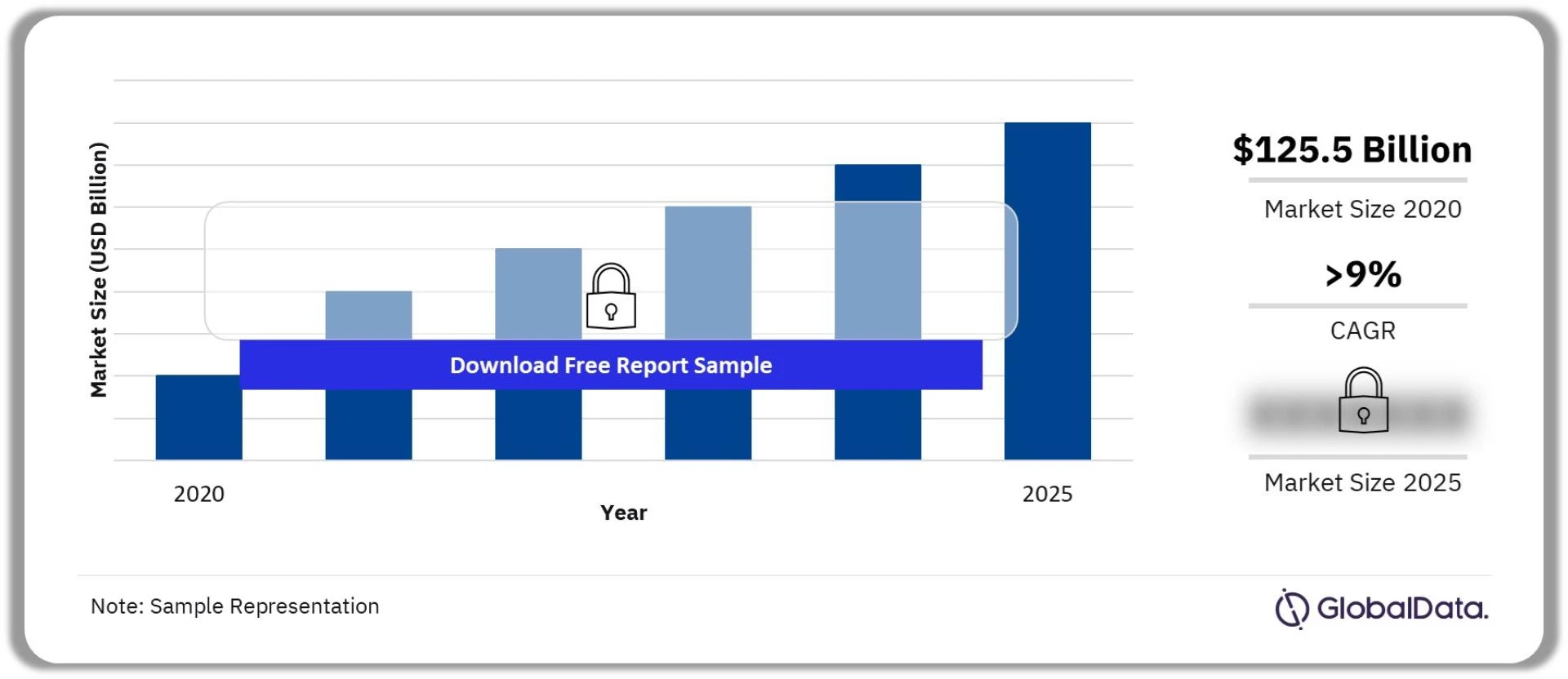
Buy the Full Report for Additional Insights on the Cybersecurity in Automotive Industry Forecast, Download a Free Sample Report








Sign in to leave a comment.