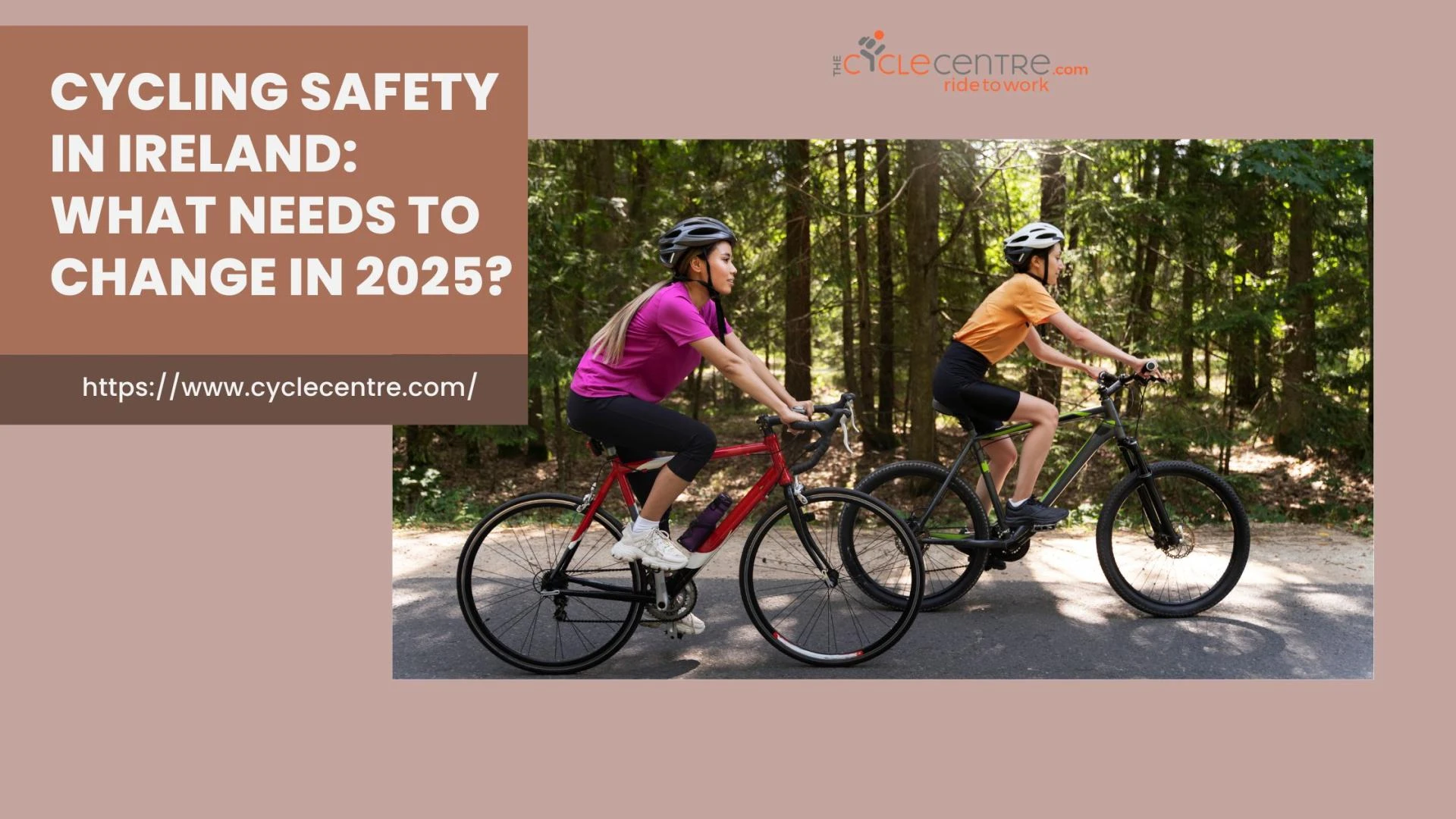
Ireland has witnessed a cycling renaissance in recent years. From scenic rides in the countryside to electric-powered commutes through bustling city streets, more people are choosing bikes over cars than ever before. With rising fuel costs, climate awareness, and the growing popularity of the Bike to Work Scheme, cycling is quickly becoming a mainstream mode of transport across the country.
Whether it’s a commuter zipping through Dublin on an e-bike, a parent buying a kids bike for school runs, or a weekend warrior on a gravel bike, Ireland's roads are seeing all sorts of wheels. But while cycling is booming, safety concerns continue to cast a long shadow — and it’s clear that more needs to be done.
So, as we move into 2025, let’s explore what really needs to change to make cycling safer and more sustainable for everyone in Ireland.
1. Infrastructure: Progress, But Not Enough
The biggest and most obvious issue facing Irish cyclists today is infrastructure. While we’ve seen efforts to improve facilities — especially in major cities like Dublin, Cork, and Galway — progress is often piecemeal.
Cycle lanes that suddenly disappear, shared paths with pedestrians, potholes, and poor signage are all too common. In places like Dublin, temporary cycle lanes introduced during COVID-19 have proven their value, but many have yet to be made permanent.
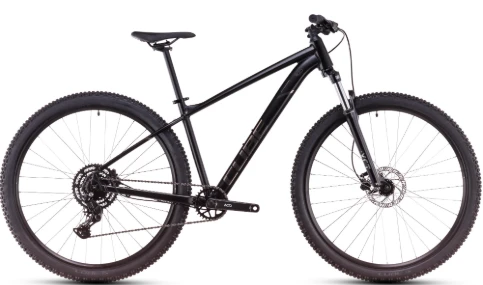
Cyclists — whether they’re riding a standard city bike, a Giant commuter, or a mountain bike — deserve a safer, smoother, and more continuous network of protected lanes.
Outside the cities, the situation worsens. Rural cyclists are often left to brave narrow, fast-moving roads without any cycling infrastructure at all. If Ireland is serious about encouraging cycling, especially as part of our climate commitments, that has to change.
2. E-Bikes Are Changing the Game — Are the Rules Keeping Up?
There’s no denying the explosion of interest in electric bikes in Ireland. More and more people are turning to e-bikes as a practical, low-emission solution to longer commutes and hilly routes. They make cycling accessible to older people, those with reduced mobility, and those who want to avoid arriving at work dripping with sweat.
However, with increased speed and accessibility come new challenges. Many e-bike users are first-time cyclists and may not be fully aware of their rights or responsibilities on the road. Meanwhile, drivers may not realise how fast an e-bike can travel — leading to risky overtakes or misjudged turns.
Retailers selling electric bikes should be encouraged to provide clear safety advice alongside the sale. From proper helmet use to road awareness, a little education can go a long way.
3. Young Cyclists and the Need for Safe School Routes
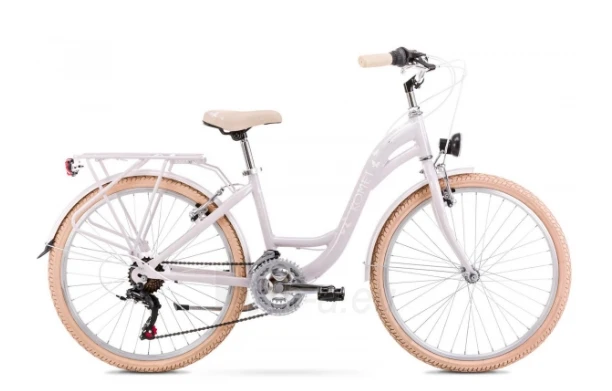
As more parents turn to bikes for the school run, sales of kids bikes have surged. But parents still face the same questions: Is the route safe? Are there cycle lanes? Can I trust other road users?
Unfortunately, many still answer ‘no’.
It’s not enough to encourage children to cycle — we need to ensure they can do it safely. That means safe routes to schools, traffic-calming measures in residential areas, and expanded cycling education programmes.
Some cycle shops in Dublin are already stepping up, offering fittings, safety gear, and advice for families. It’s a positive start, but more support from local councils and the Department of Transport is needed to make safe school cycling a realistic choice.
4. More Bikes for Sale — But What About Aftercare?
There are more bikes for sale in Ireland now than ever before — everything from entry-level city bikes to top-tier gravel bikes, mountain bikes, and sleek Giant e-bikes. Thanks to the Bike to Work Scheme, many people are upgrading their commutes and embracing the cycling lifestyle.
But buying a bike is just the beginning. What happens after you walk out of the bicycle shop?
Proper fitting, maintenance, safety checks, and advice on local routes or commuting tips are just as important as the sale itself. Some of the best cycle shops in Dublin already offer this kind of post-sale support, but not all do.
In 2025, there’s an opportunity for retailers to take on a bigger role — not just as bike sellers, but as cycling hubs. Education, servicing, community rides, and safety workshops should be part of the package.
5. Policy, Protection, and a Shift in Mindset
While infrastructure and retailers are key, policy change is the glue that brings it all together. Cycling must be seen as a serious part of Ireland’s transport system — not just a leisure activity.
Here’s what we’d like to see in 2025:
- More protected cycle lanes, particularly in urban centres.
- Expanded Bike to Work Scheme, including safety gear and services.
- Clearer regulations around e-bikes, including where and how they should be used.
- Cycling education in schools, and awareness campaigns for motorists.
- Better maintenance of existing cycle infrastructure — potholes are dangerous for all riders.
Final Thoughts: A Safer Future on Two Wheels
Ireland has come a long way in embracing cycling — and it’s heartening to see more people out riding, whether they’re kitted out on a Giant gravel bike, taking their first spin on a kids bike, or commuting to work on an e-bike bought through the Bike to Work Scheme.
But enthusiasm alone isn’t enough. To make cycling safe, accessible, and enjoyable for all, we need better roads, smarter policy, and support from every part of the cycling ecosystem — from the government down to your local bicycle shop.



























Sign in to leave a comment.