
Dandruff and scalp psoriasis are two common scalp conditions that often get mistaken for one another. Both can cause flaking, itching, and general discomfort, but they are distinct conditions with different causes and treatments. Understanding the differences between dandruff and scalp psoriasis is crucial for effective treatment and management.
What is Dandruff?
Dandruff, also known as seborrheic dermatitis when severe, is a non-inflammatory skin condition that affects the scalp. It is characterized by the shedding of dead skin cells, which appear as white or yellow flakes.
The exact cause of dandruff is not entirely understood, but several factors contribute to its development. The Malassezia fungus, a yeast-like organism that lives on the scalp of most adults, can grow out of control and cause irritation, leading to increased cell turnover and dandruff. Both oily and dry skin can contribute to dandruff. Excess oil provides a breeding ground for Malassezia, while dry skin, particularly in cold weather, can also lead to flaking.
Additionally, some people may develop dandruff as a reaction to certain hair care products, a condition known as contact dermatitis.
What is Scalp Psoriasis?
Scalp psoriasis is a chronic autoimmune condition that causes the rapid buildup of skin cells, resulting in thick, red, scaly patches that can be itchy and sometimes painful. Psoriasis can affect any part of the body, but when it affects the scalp, it can be particularly challenging.
The exact cause of psoriasis is not known, but it is believed to be related to an immune system problem involving T cells and other white blood cells. Genetics plays a significant role, as psoriasis often runs in families.
Psoriasis is also an autoimmune disorder, meaning the body’s immune system attacks healthy skin cells by mistake. Common triggers include stress, infections, skin injuries, and certain medications.
Key Differences Between Dandruff and Scalp Psoriasis
Understanding the differences between dandruff and scalp psoriasis is essential for proper diagnosis and treatment. Dandruff presents as white or yellow flakes that are loose and fall off easily, while scalp psoriasis appears as well-defined red patches covered with silvery scales. These patches can be thick and may extend beyond the hairline.
In terms of symptoms, dandruff typically causes itching and flaking without significant redness or swelling. In contrast, scalp psoriasis can cause intense itching, burning, soreness, and sometimes bleeding due to scratching. The plaques can be painful and are more likely to cause hair loss due to excessive scratching or picking. The distribution of the conditions also differs. Dandruff flakes are usually spread throughout the scalp, whereas scalp psoriasis plaques are more localized and can extend to the forehead, back of the neck, and behind the ears.
Lastly, the underlying causes are different. Dandruff is often linked to an overgrowth of Malassezia fungus and other external factors, while scalp psoriasis is an autoimmune condition with a genetic predisposition.
Effective Treatments
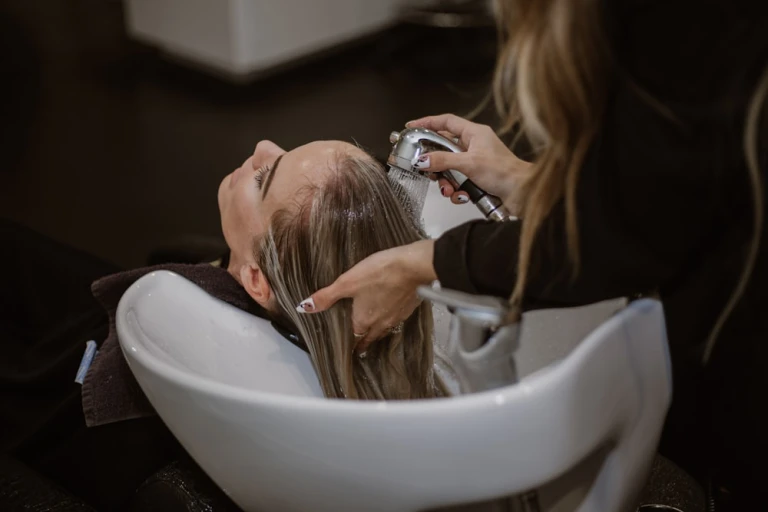
Treating dandruff and scalp psoriasis requires different approaches due to their distinct causes. For instance, anti-dandruff shampoo with Zinc Pyrithione can help control the condition. Regular washing with a gentle shampoo to reduce oiliness and the buildup of dead skin cells is beneficial. Keeping the scalp moisturized can help reduce dryness and flaking. Additionally, maintaining a balanced diet and reducing stress can help manage dandruff.
For scalp psoriasis, topical treatments such as corticosteroids, vitamin D analogs, and retinoids can help reduce inflammation and slow skin cell turnover. Medicated shampoos with tar-based and salicylic acid formulas can also be effective. Phototherapy, which involves exposure to ultraviolet light under medical supervision, can help reduce psoriasis symptoms. For severe cases, oral or injected medications that affect the entire body may be prescribed. Managing stress, avoiding known triggers, and maintaining a healthy diet can help control flare-ups.
For those dealing with dandruff, finding an effective treatment is essential. Replenishing Shampoo - Zinc Pyrithione 2% Shampoo, by AfyaDerm, is specifically formulated to prevent yeast growth, the number one cause of dandruff. It helps to eliminate dandruff, prevent an itchy scalp, and ensure healthy hair growth.
Moreover, this anti-dandruff shampoo with Zinc Pyrithione also prevents dryness and improves overall hair health, leaving your hair looking healthier and thicker. Buy Zinc Pyrithione shampoo and also check out their other products today to take the first step towards a flake-free, healthy scalp and skin.
About the Author
The author is a board-certified dermatologist with over 15 years of experience in treating various skin and scalp conditions. With a passion for patient education and a commitment to improving skin health, the author has helped thousands of patients achieve healthier skin and hair.
Their expertise in diagnosing and treating dandruff and scalp psoriasis ensures that their patients receive the most effective and personalized care.












Sign in to leave a comment.