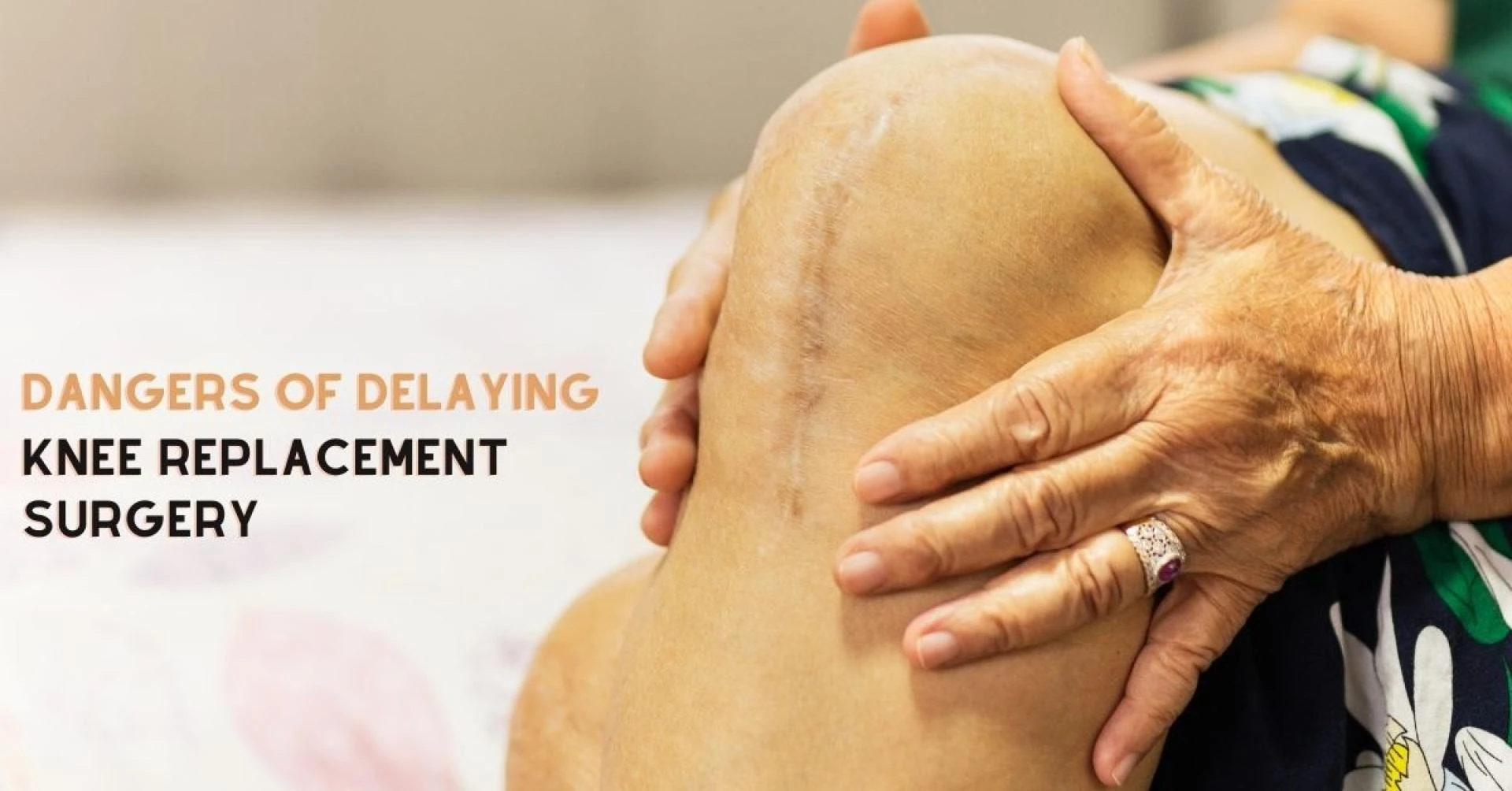

Knee replacement surgery, also known as knee arthroplasty, is a common procedure that is performed to relieve pain and improve mobility in individuals with severe knee damage or degeneration.
While this surgery is generally safe and effective, there are potential dangers associated with delaying the procedure for too long.
In this article, we will explore some of the risks and complications that can arise from delaying knee replacement surgery.
Risks of Delaying Surgery:
Increased Pain and Disability: One of the primary risks of delaying knee replacement surgery is an increase in pain and disability.
As the knee joint becomes more damaged and degenerated, it can become increasingly difficult to perform everyday activities such as walking, climbing stairs, and even standing for long periods of time.
This can lead to a decrease in quality of life and an overall reduction in mobility.
Worsening of Knee Condition: Another danger of delaying knee replacement surgery is that the condition of the knee may worsen over time.
This can lead to further damage to the joint and surrounding tissues, which can make the surgery more complicated and increase the risk of complications.
Risk of Infection: Delaying knee replacement surgery also increases the risk of infection. The longer an individual waits to undergo the procedure, the more time bacteria have to enter and infect the knee joint.
This can lead to serious complications and may even require additional surgery to treat the infection.
Risk of Complications: In general, the longer an individual waits to undergo knee replacement surgery, the greater the risk of complications. These complications can include bleeding, blood clots, nerve damage, and even death in rare cases.
Additional Considerations:
Other Treatment Options: Before deciding to delay knee replacement surgery, it is important to consider other treatment options that may be available. These may include physical therapy, pain management, and the use of assistive devices such as canes or walkers.
These options may help to alleviate pain and improve mobility in the short term, but they may not address the underlying cause of the knee damage or degeneration.
Timing of Surgery: It is also important to consider the timing of the surgery. In some cases, undergoing knee replacement surgery sooner rather than later may result in a more successful outcome.
For example, if an individual is younger and in generally good health, they may be a better candidate for surgery than someone who is older and has other health issues.
Quality of Life: Finally, it is important to consider the overall impact that knee pain and disability are having on an individual's quality of life.
If the pain and limited mobility are significantly affecting an individual's ability to perform everyday activities and enjoy life, it may be worth considering knee replacement surgery as a potential solution.
Conclusion:
In conclusion, the decision to undergo knee replacement surgery is a personal one that should be carefully considered. It is important to weigh the risks and benefits and to consider other treatment options that may be available.
Delaying knee replacement surgery can lead to increased pain and disability, worsening of the knee condition, increased risk of infection, and a higher risk of complications. However, the timing of the surgery and an individual's overall health and quality of life should also be taken into consideration.











Sign in to leave a comment.