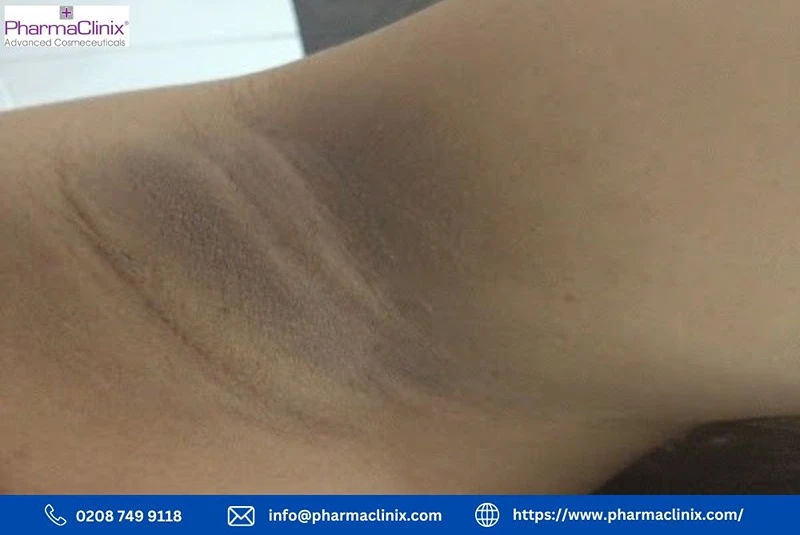

Dark patches in the armpits, also known as acanthosis nigricans, can be a source of discomfort and self-consciousness for many individuals. While not usually a serious medical condition, they can be aesthetically bothersome. Understanding the causes, preventive measures, and treatment options can help in managing and lightening these dark areas effectively.
Introduction
Dark patches in the armpits refer to areas of hyperpigmentation, where the skin appears darker than the surrounding areas. This condition can occur due to various reasons, including hormonal changes, friction, or certain skincare products. While not a health risk, it can affect one\'s confidence and self-esteem.
Causes of Dark Patches in Armpits
Hormonal Changes
Hormonal fluctuations, such as those occurring during pregnancy or puberty, can lead to an increase in melanin production, resulting in dark patches in the armpits.
Friction and Irritation
Constant rubbing or friction caused by tight clothing can irritate the skin and trigger melanin production, leading to darkening of the skin in the armpit area.
Shaving or Plucking
Frequent shaving or plucking can cause skin irritation and inflammation, leading to dark patches over time.
Hyperpigmentation
Certain medical conditions, such as diabetes or obesity, can cause a condition called acanthosis nigricans, characterized by dark, velvety patches in skin folds, including the armpits.
Deodorants and Antiperspirants
Some chemical ingredients in deodorants and antiperspirants may react with the skin, causing irritation and darkening of the armpits.
Preventive Measures
Taking preventive measures can help minimize the risk of developing dark patches in the armpits.
Wear Loose-Fitting Clothes: Opt for breathable, loose-fitting clothing to reduce friction and irritation in the armpit area.
Use Gentle Skin Care Products: Choose mild, fragrance-free skincare products to avoid irritation and inflammation.
Avoid Frequent Shaving or Plucking: Limit the frequency of shaving or plucking to prevent skin irritation and darkening.
Opt for Natural Deodorants: Choose natural deodorants free from harsh chemicals to minimize skin reactions.
Home Remedies for Dark Patches
Several home remedies may help lighten dark patches in the armpits:
Lemon Juice: Apply fresh lemon juice to the affected area and leave it on for 10-15 minutes before rinsing off. Lemon juice contains natural bleaching properties that can help lighten dark skin.
Coconut Oil: Massage coconut oil into the skin daily to moisturize and lighten dark patches over time.
Aloe Vera: Apply aloe vera gel to the armpits to soothe irritated skin and promote healing.
Potato Slices: Rub potato slices on the darkened skin to benefit from its natural bleaching properties.
Baking Soda: Create a paste using baking soda and water and apply it to the armpits to exfoliate and lighten the skin.
Medical Treatments
For persistent dark patches, medical treatments may be necessary:
Topical Creams: Dermatologists may prescribe topical creams containing ingredients like hydroquinone or retinoids to lighten dark patches.
Chemical Peels: Chemical peels can help exfoliate the skin and reduce hyperpigmentation in the armpits.
Laser Therapy: Laser treatments target melanin in the skin, breaking it down and lightening dark patches.
Microdermabrasion: This procedure involves exfoliating the outer layer of the skin to reduce hyperpigmentation and promote cell turnover.
Dietary Tips
Maintaining a healthy diet can also contribute to skin health and help lighten dark patches:
Stay Hydrated: Drink plenty of water to keep the skin hydrated and promote cell turnover.
Consume Antioxidants: Include foods rich in antioxidants, such as berries, citrus fruits, and leafy greens, to protect the skin from damage.
Vitamin C-Rich Foods: Incorporate foods high in vitamin C, like oranges, kiwis, and bell peppers, to support collagen production and skin healing.
Skincare Routine for Dark Armpits
Establishing a proper skincare routine can aid in managing dark patches in the armpits:
Cleansing: Use a gentle cleanser to remove sweat, bacteria, and dead skin cells from the armpit area.
Exfoliation: Regular exfoliation helps remove dead skin cells and promote cell turnover, revealing brighter skin underneath.
Moisturizing: Apply a hydrating moisturizer to keep the skin soft and supple, preventing further irritation.
Sun Protection: Use sunscreen or wear protective clothing to shield the armpits from harmful UV rays, which can worsen hyperpigmentation.
Consulting a Dermatologist
If home remedies and over-the-counter treatments fail to lighten dark patches, it\'s essential to seek professional help from a dermatologist. A dermatologist can assess the severity of the condition and recommend customized treatment options tailored to individual needs.
Lifestyle Changes
In addition to skincare and medical treatments, making certain lifestyle changes can contribute to overall skin health:
Manage Stress: Practice stress-reducing techniques such as meditation or yoga to prevent hormonal imbalances that can affect the skin.
Maintain a Healthy Weight: Obesity is a risk factor for conditions like acanthosis nigricans, so maintaining a healthy weight through diet and exercise is essential.
Regular Exercise: Engage in regular physical activity to improve blood circulation and promote skin health.
Myths and Misconceptions
Dispelling common myths surrounding dark armpits can help individuals make informed decisions about their skincare:
Only Overweight Individuals Experience Dark Armpits: While obesity can be a contributing factor, anyone can develop dark patches in the armpits, regardless of weight.
Dark Armpits Are Unhygienic: Dark armpits are primarily a cosmetic concern and do not necessarily indicate poor hygiene.
Home Remedies Work Overnight: Home remedies may take time to show results, and consistent use is necessary for noticeable improvement.
Frequently Asked Questions (FAQs)
Q: Can dark armpits be a sign of a serious health issue?
A: Dark armpits are usually benign, but in some cases, they can indicate underlying health conditions such as diabetes or hormonal imbalances. It\'s essential to consult a healthcare professional for proper evaluation and diagnosis.
Q: Are there any side effects of using home remedies for dark armpits?
A: While home remedies are generally safe, some individuals may experience skin irritation or allergic reactions. It\'s advisable to perform a patch test before applying any new remedy and discontinue use if adverse reactions occur.
Q: How long does it take to see results with medical treatments?
A: The timeline for seeing results with medical treatments varies depending on the severity of the condition and the chosen treatment method. It may take several weeks to months to notice significant improvement.
Q: Can dark armpits be prevented completely?
A: While it may not be possible to prevent dark armpits entirely, adopting preventive measures such as wearing loose-fitting clothing and using gentle skincare products can help minimize the risk.
Q: Is it necessary to consult a dermatologist for dark armpits?
A: If home remedies fail to lighten dark patches or if the condition worsens, it\'s advisable to consult a dermatologist for proper evaluation and personalized treatment recommendations.
Conclusion
In conclusion, dark patches in the armpits can be distressing, but with the right approach, they can be effectively managed and lightened. By understanding the causes, preventive measures, and treatment options, individuals can regain confidence in their skin and feel more comfortable in their own bodies.






















Sign in to leave a comment.