

In recent times, there has been a noticeable increase in the discourse surrounding skin conditions, bringing attention to issues that impact millions globally. Among these conditions, eczema stands prominent for its widespread influence, often causing discomfort and distress, especially among individuals suffering from dark skin from eczema. In this comprehensive guide, we delve into the nuances of eczema specifically concerning dark skin, exploring its manifestations, causes, treatments, and preventive measures.
Types and Categories
Atopic Dermatitis
Atopic dermatitis, commonly referred to as eczema, is a chronic inflammatory skin condition characterized by itchy, red, and inflamed patches. While it can affect individuals of all skin types, its presentation on dark skin may differ in appearance, often leading to misdiagnosis or delayed treatment.
Contact Dermatitis
Contact dermatitis occurs when the skin comes into direct contact with an irritant or allergen, triggering an inflammatory response. In darker skin tones, the resulting rash may appear darker or hyperpigmented, making it essential to identify and avoid potential triggers promptly.
Nummular Eczema
Nummular eczema is characterized by coin-shaped patches of irritated skin, often exacerbated by dryness or environmental factors. While the symptoms are similar across skin tones, the appearance of lesions may vary, requiring tailored treatment approaches.
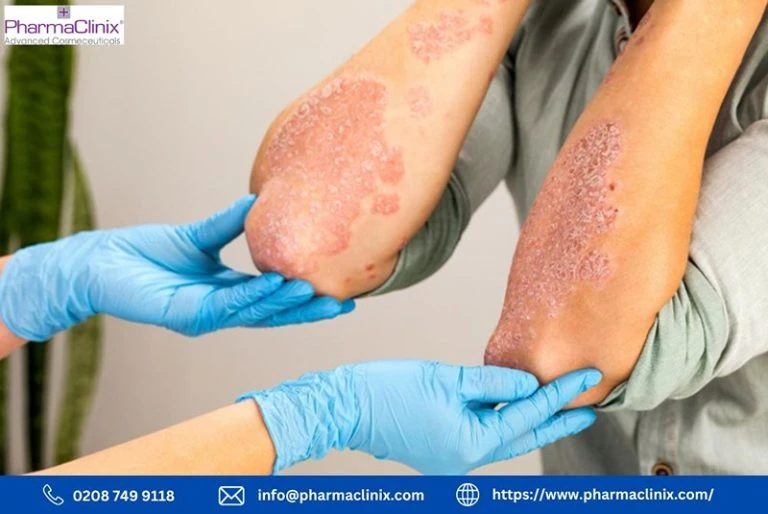
Symptoms and Signs
Itching (Pruritus)
Itching is a hallmark symptom of eczema, leading to persistent discomfort and the urge to scratch. Darker skin tones may experience more intense itching sensations, contributing to increased inflammation and potential scarring.
Dryness and Scaling
Dry, flaky skin is common in individuals with eczema, regardless of skin color. However, darker skin tones may experience more noticeable scaling, necessitating targeted moisturization to maintain skin health.
Hyperpigmentation
Hyperpigmentation, or darkening of the skin, can occur as a result of inflammation and healing in eczema-prone areas. This discoloration may persist long after the eczema has resolved, impacting self-esteem and quality of life.
Causes and Risk Factors
Genetic Predisposition
Genetic factors play a significant role in the development of eczema, with certain genes increasing susceptibility to inflammatory skin conditions. Individuals with a family history of eczema are at higher risk, regardless of skin color.
Environmental Triggers
Environmental factors, such as exposure to harsh chemicals, allergens, or extreme temperatures, can exacerbate eczema symptoms in individuals with dark skin. Identifying and avoiding these triggers is crucial for managing the condition effectively.
Skin Barrier Dysfunction
Impairment of the skin\'s natural barrier function can contribute to eczema flare-ups, allowing irritants and allergens to penetrate more easily. Darker skin tones may have inherently different barrier properties, requiring tailored skincare routines to maintain integrity.
Diagnosis and Tests
Visual Examination
Diagnosing eczema often begins with a visual examination of the affected skin, noting characteristic signs such as redness, scaling, and itchiness. However, diagnosing eczema on dark skin may pose challenges due to variations in presentation and pigmentation.
Patch Testing
Patch testing involves applying small amounts of potential allergens to the skin to identify specific triggers. While this method is valuable for diagnosing contact dermatitis, interpreting results on dark skin requires expertise to discern subtle changes.
Biopsy
In some cases, a skin biopsy may be performed to rule out other conditions or confirm the diagnosis of eczema. Special considerations must be made when interpreting biopsy results in individuals with dark skin to avoid misdiagnosis or unnecessary procedures.
Treatment Options
Topical Steroids
Topical corticosteroids are commonly prescribed to reduce inflammation and relieve itching associated with eczema. However, darker skin tones may be more prone to side effects such as skin thinning or hypopigmentation, necessitating cautious use and close monitoring.
Moisturizers and Emollients
Regular moisturization is essential for managing eczema and preventing dryness and flares. Individuals with dark skin may benefit from thicker, occlusive moisturizers that provide long-lasting hydration without leaving a white residue.
Topical Calcineurin Inhibitors
Topical calcineurin inhibitors, such as tacrolimus and pimecrolimus, are alternative anti-inflammatory medications used to treat eczema, particularly in sensitive areas or when steroids are not suitable. Their use on dark skin may help avoid the risk of hypopigmentation associated with long-term steroid use.
Preventive Measures
Gentle Skincare Routine
Establishing a gentle skincare routine using mild, fragrance-free products can help minimize irritation and reduce the risk of eczema flares. Darker skin tones may be more sensitive to harsh ingredients, making careful product selection paramount.
Avoiding Triggers
Identifying and avoiding triggers such as harsh chemicals, certain fabrics, or extreme temperatures can help prevent eczema flare-ups. Individuals with dark skin should be particularly vigilant, as they may be more susceptible to pigmentary changes and scarring.
Sun Protection
Protecting the skin from harmful UV rays is essential for individuals with eczema, especially those with darker skin tones prone to hyperpigmentation. Using broad-spectrum sunscreen and seeking shade during peak sun hours can help minimize sun-related flare-ups.
Personal Stories or Case Studies
Aisha\'s Journey to Managing Eczema
Aisha, a young woman with dark skin, struggled for years with recurrent eczema flare-ups that left her feeling self-conscious and frustrated. Through a combination of medical treatments and lifestyle adjustments, she has learned to manage her condition effectively, inspiring others with similar struggles to seek help and embrace their skin.
Expert Insights
Dr. Patel on Eczema in Dark Skin
"Individuals with dark skin may face unique challenges when dealing with eczema, including delayed diagnosis and pigmentary changes. It\'s essential for healthcare providers to recognize these differences and tailor treatment approaches accordingly to ensure optimal outcomes."
Frequently Asked Questions (FAQs)
Q: Can eczema affect people with dark skin?
A: Yes, eczema can affect individuals of all skin tones, including those with darker skin.
Q: How does eczema appear on dark skin?
A: Eczema may appear as red, inflamed patches on dark skin, sometimes with darker or lighter areas due to pigmentation changes.
Q: What causes eczema on dark skin?
A: Eczema can be caused by a combination of genetic, environmental, and lifestyle factors, similar to other skin tones.
Q: Is eczema more common in people with dark skin?
A: Eczema occurs across all skin types, but its prevalence may vary depending on factors like geography and genetics.
Q: How is eczema diagnosed in individuals with dark skin?
A: Diagnosis involves a visual examination by a healthcare professional, who may also consider medical history and symptoms.























Sign in to leave a comment.