
Modern businesses depend heavily on data. From customer interactions and financial transactions to operational analytics and predictive insights, nearly every critical business function relies on reliable data systems. However, as organizations grow and adopt new technologies, their data architectures often become increasingly complex.
Over time, databases evolve through multiple integrations, migrations, and rapid development cycles. While these changes help organizations adapt to new business requirements, they can also create fragmented architectures that slow down performance and make data management difficult.
Fragmented data environments are one of the most common challenges faced by enterprise IT teams today. Systems that once worked efficiently may begin to experience delays, inconsistencies, or synchronization failures. These issues can affect reporting accuracy, application performance, and even customer experience.
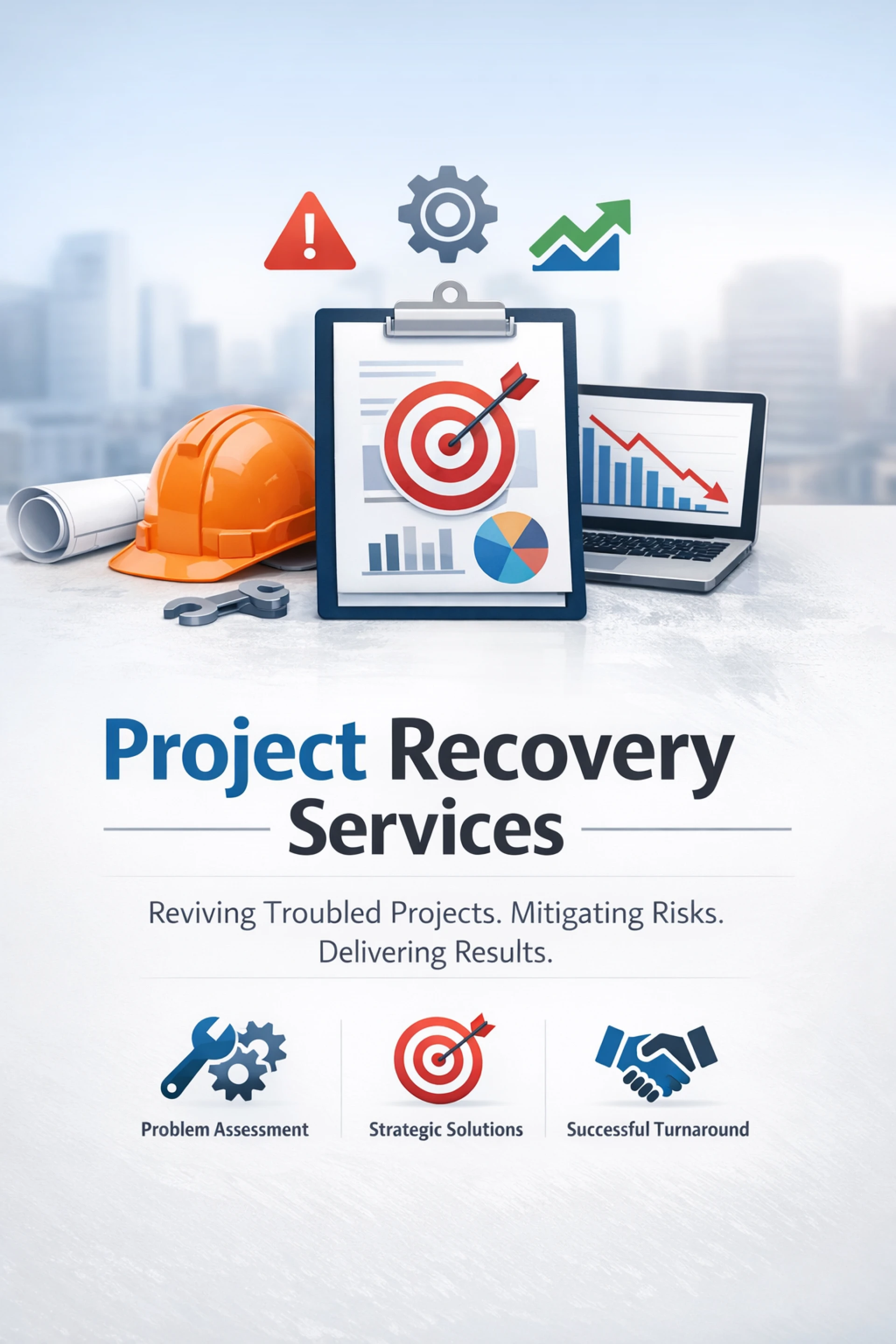
When such problems reach a critical level, organizations often seek help from professional project recovery services to restore stability and performance to their data infrastructure. Instead of replacing entire systems, recovery specialists focus on identifying architectural weaknesses and implementing targeted improvements.
Through structured analysis and technical optimization, modern software project recovery services help businesses rebuild fragmented data architectures and restore real-time performance. These interventions are a central component of comprehensive Project Rescue Services, which aim to stabilize struggling systems while preserving valuable existing infrastructure.
Understanding how fragmented data architectures develop—and how they can be recovered—is essential for organizations seeking to maintain reliable and scalable digital operations.
The Growing Complexity of Enterprise Data Architectures
In the early stages of a company’s digital transformation, data systems are often relatively simple. A single database may support core business applications, and data flows remain predictable and manageable.
However, as organizations expand their digital capabilities, new technologies and platforms are introduced. Cloud services, analytics platforms, mobile applications, and third-party integrations all require access to data.
To support these needs, businesses frequently create additional databases or integrate new storage systems. While these changes solve immediate challenges, they can gradually produce fragmented data architectures.
In fragmented systems, information may be stored across multiple databases that are not fully synchronized. Data pipelines become complicated, and maintaining consistency between systems becomes increasingly difficult.
When these challenges begin affecting performance or reliability, companies often turn to software project recovery services for assistance. Recovery specialists analyze the entire data ecosystem and identify the structural issues that prevent efficient data flow.
Through expert analysis provided by project recovery services, organizations gain a clear understanding of how their data architecture has evolved and where improvements are required. These insights form the foundation of effective Project Rescue Services.
Signs of a Fragmented Data Architecture
Fragmented data systems rarely fail suddenly. Instead, they gradually develop inefficiencies that accumulate over time. Recognizing the early signs of fragmentation can help organizations address issues before they become critical.
One common indicator is inconsistent data across different applications. When databases are not synchronized properly, users may encounter conflicting information depending on which system they access.
Another sign is delayed reporting or analytics processing. Real-time insights become difficult when data must travel through multiple disconnected pipelines before reaching analytics platforms.
Performance issues may also emerge as databases grow larger and queries become more complex. Systems that once responded instantly may begin to experience delays that affect business operations.
Organizations facing these challenges frequently engage project recovery services to diagnose the underlying architectural problems. Recovery teams specializing in software project recovery services use advanced tools and methodologies to analyze database structures and identify the root causes of fragmentation.
Through structured Project Rescue Services, businesses can restore order to their data ecosystems and ensure reliable performance.
Why Real-Time Performance Matters
In today’s digital economy, real-time data processing is no longer a luxury—it is a necessity. Businesses depend on instant access to information for decision-making, customer interactions, and operational efficiency.
E-commerce platforms rely on real-time inventory updates to prevent overselling. Financial institutions require immediate transaction processing to maintain security and accuracy. Logistics companies depend on live tracking systems to manage complex supply chains.
When fragmented data architectures slow down these processes, the impact can be significant. Delayed updates may lead to incorrect decisions, frustrated customers, or operational disruptions.
This is why many organizations rely on software project recovery services to restore real-time capabilities within their data infrastructure. By redesigning data flows and optimizing database performance, recovery teams ensure that information moves efficiently across systems.
Within broader Project Rescue Services, restoring real-time performance often becomes a top priority because it directly affects business outcomes.
Conducting a Comprehensive Data Architecture Audit
The first step in recovering a fragmented data environment is conducting a thorough architecture audit. Recovery specialists must understand how data flows through the organization and where inefficiencies occur.
During this process, experts from project recovery services examine database structures, integration points, and data pipelines. They evaluate how different systems interact and whether synchronization mechanisms are functioning properly.
The audit may also include reviewing query performance, storage configurations, and indexing strategies. These factors play a major role in determining how efficiently data systems operate.
By performing this detailed analysis, software project recovery services identify bottlenecks that prevent real-time performance.
This diagnostic phase is an essential component of Project Rescue Services, as it provides the insights needed to design effective recovery strategies.
Rebuilding Data Pipelines for Efficiency
Fragmented architectures often involve complicated data pipelines that move information between multiple systems. These pipelines may have been created gradually over time, leading to inefficiencies or redundant processes.
Recovery teams focus on simplifying these pipelines so that data moves more directly between sources and applications. By reducing unnecessary processing steps, they can significantly improve performance.
Engineers working in software project recovery services often redesign pipelines to support modern data streaming technologies. These systems allow data to be processed continuously rather than in delayed batches.
Through improvements implemented by project recovery services, organizations can transform slow and fragmented pipelines into streamlined data flows capable of supporting real-time operations.
These enhancements form a key part of Project Rescue Services aimed at restoring system performance.
Consolidating and Modernizing Databases
Another common recovery strategy involves consolidating databases that have become unnecessarily fragmented. Over time, organizations may create multiple databases to serve individual applications without considering long-term architectural implications.
While this approach may work initially, it often leads to duplication and synchronization challenges. Recovery specialists analyze whether certain databases can be merged or restructured to simplify the overall architecture.
In some cases, modern database technologies such as distributed systems or cloud-native platforms may replace outdated infrastructure.
Professionals providing software project recovery services carefully evaluate the risks and benefits of such transitions before implementing changes.
Through strategic improvements delivered by project recovery services, organizations can modernize their data environments while maintaining stability.
Within comprehensive Project Rescue Services, database consolidation often plays a crucial role in reducing complexity and improving system performance.
Improving Data Governance and Consistency
Fragmented architectures are frequently associated with weak data governance practices. Without clear standards for data management, different teams may create separate systems that handle information inconsistently.
Recovery teams address this issue by establishing governance frameworks that define how data should be stored, accessed, and updated across the organization.
These frameworks help ensure that future development efforts follow consistent architectural principles. By implementing governance practices, software project recovery services prevent fragmentation from reappearing after the recovery process is complete.
Strong governance also improves security and compliance, which are essential considerations for many industries.
Through structured Project Rescue Services, organizations gain the policies and processes needed to maintain healthy data architectures.
Leveraging Automation and Monitoring
Maintaining real-time performance requires continuous monitoring of data systems. Even well-designed architectures can develop performance issues if they are not actively maintained.
Recovery specialists often introduce automated monitoring tools that track database performance, query efficiency, and data pipeline health.
These tools provide early warnings when potential issues begin to appear. Engineers can respond quickly before small problems escalate into major disruptions.
Automation plays an important role in modern project recovery services, allowing organizations to maintain optimized systems without constant manual intervention.
By integrating monitoring solutions into software project recovery services, businesses gain long-term visibility into the health of their data infrastructure.
The Long-Term Benefits of Data Architecture Recovery
Organizations that successfully recover fragmented data systems often experience significant improvements in operational efficiency. Applications become faster and more reliable, enabling employees to access the information they need without delays.
Analytics teams benefit from cleaner and more consistent datasets, allowing them to generate accurate insights for decision-making. Customers also experience better service as real-time systems respond more quickly to their needs.
These outcomes demonstrate the value of investing in Project Rescue Services when data architectures begin to struggle.
By combining technical expertise with strategic planning, software project recovery services help businesses transform inefficient systems into powerful digital assets.
Over time, the improvements delivered by project recovery services create a strong foundation for innovation, enabling organizations to adopt new technologies without the risk of fragmentation.
Conclusion: Restoring Real-Time Data Performance
Data is the backbone of modern digital operations, and fragmented architectures can significantly limit an organization’s ability to operate efficiently. As systems grow more complex, maintaining real-time performance becomes increasingly challenging.
However, fragmented data environments are not impossible to fix. With the support of experienced project recovery services, organizations can diagnose architectural issues and implement targeted improvements that restore system stability.
Through structured methodologies used in software project recovery services, businesses can rebuild their data pipelines, modernize databases, and establish governance frameworks that prevent future fragmentation.
Ultimately, effective Project Rescue Services ensure that data systems remain reliable, scalable, and capable of supporting real-time decision-making in a fast-moving digital landscape.





















Sign in to leave a comment.