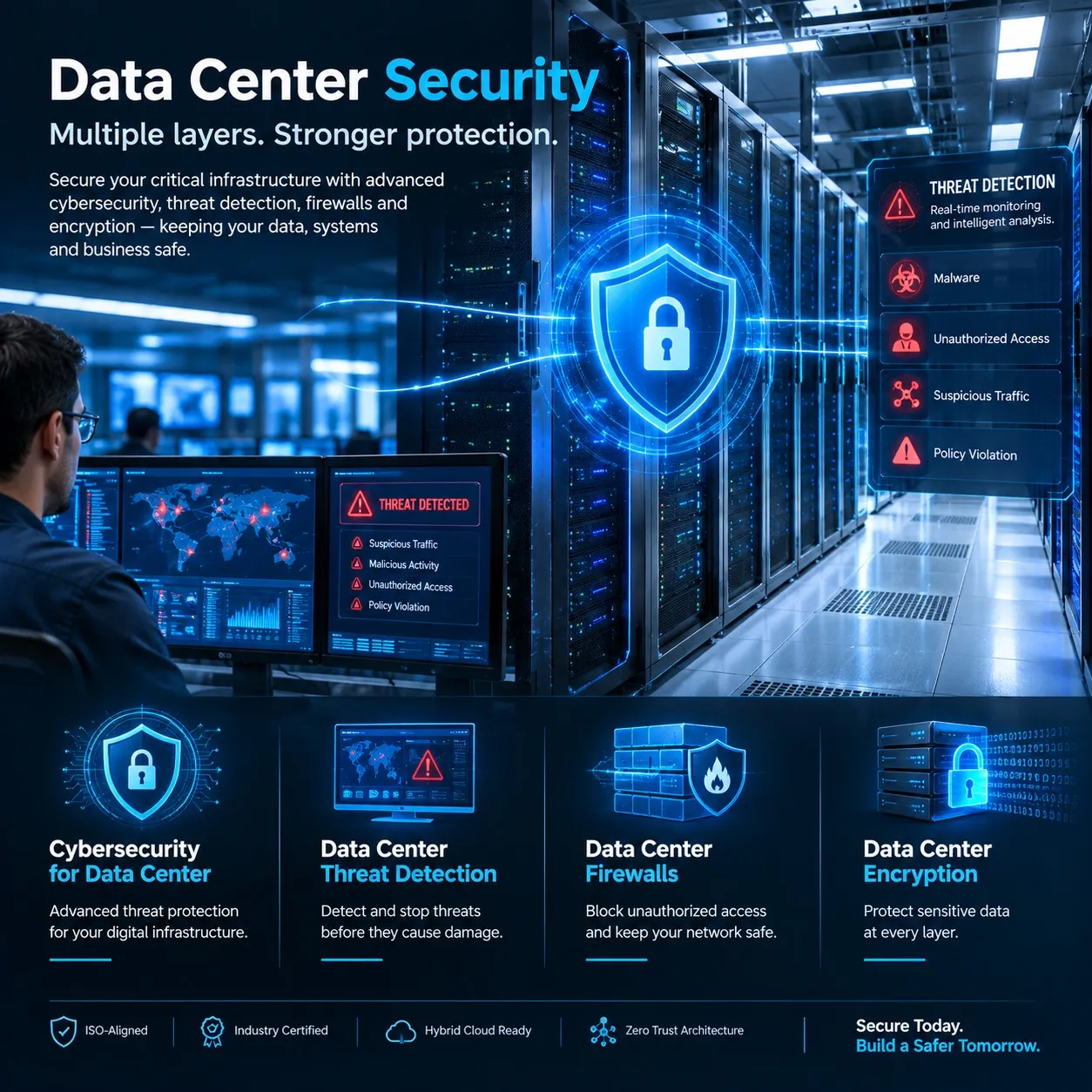

A data center holds the things your business cannot afford to lose: customer records, financial data, applications and backups. If it goes down or is breached, the damage can hit your revenue, your reputation and your legal standing. This guide explains what Data center security is, the main types, and how to choose the right protection for your business in Dubai and across the UAE.
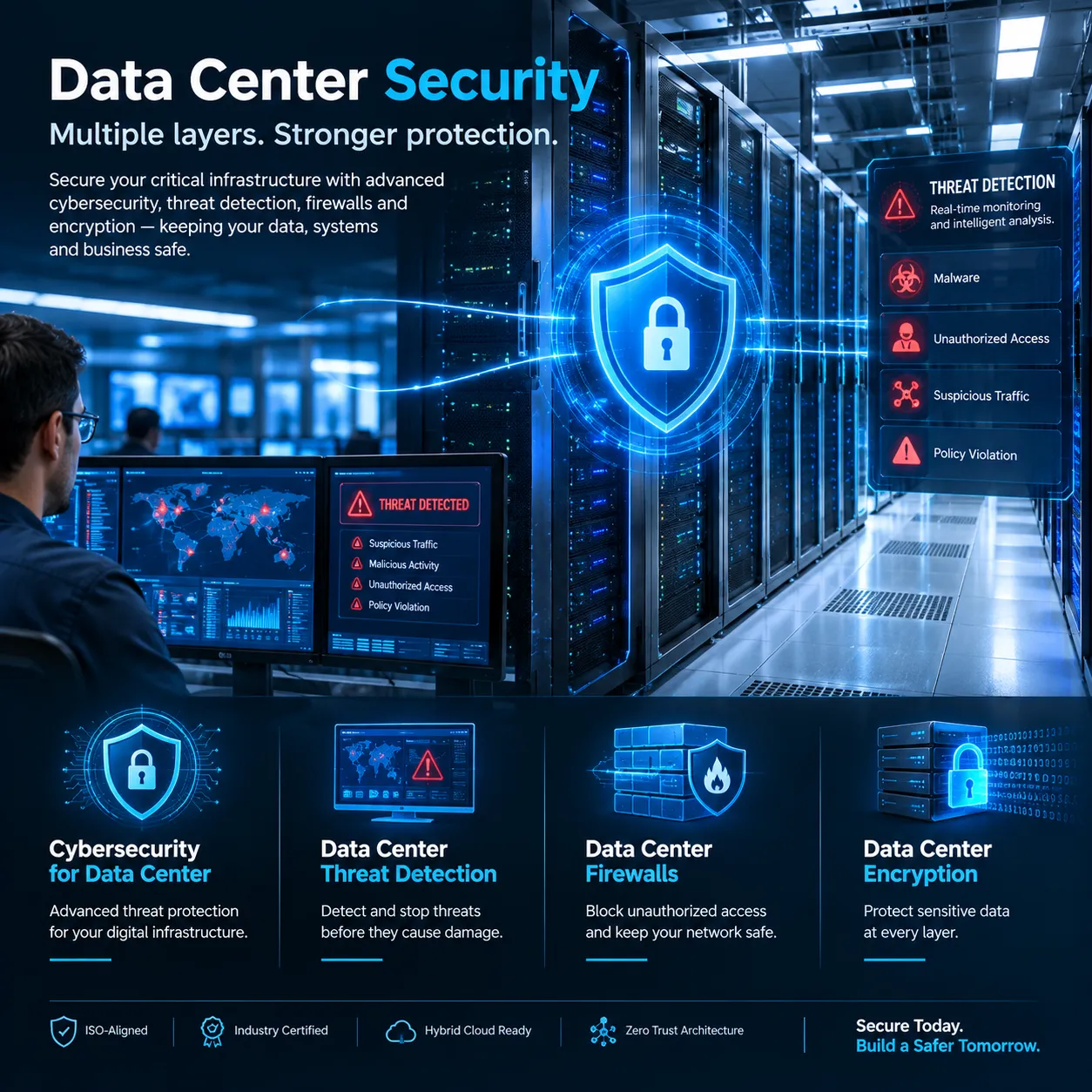
What Is Data Center Security?
Data center security is the set of tools, policies and practices that protect a data center and everything inside it. It covers two areas:
- Physical security: protecting the building, server rooms and hardware from theft, damage or unauthorized entry.
- Digital security: protecting the data, networks and applications from hackers, malware and misuse.
Strong protection needs both. A perfect firewall does not help if someone can walk into the server room. A locked door does not help if attackers can get in through the network.
Types of Data Center Security
1. Cybersecurity for Data Center
Cybersecurity is the digital defence layer. It protects servers, storage, applications and networks from online attacks such as ransomware, phishing, DDoS attacks and insider misuse.
Key parts include:
- Endpoint and server protection to block malware on individual machines.
- Identity and access management (IAM) so only approved people can reach systems, with multi-factor authentication for admin accounts.
- Vulnerability management to find and fix weak points, such as missing patches, before attackers use them.
- Network segmentation to split the network into zones, so an attacker who gets into one area cannot move freely to others.
2. Data Center Threat Detection
Data Center Threat Detection means watching your environment all the time so you can spot problems early. Modern tools use behaviour analysis and machine learning to flag unusual activity, such as a user logging in at 3 a.m. from a new country or a server suddenly sending out large amounts of data.
Common tools include:
- SIEM (Security Information and Event Management), which collects and connects logs from across your systems.
- IDS/IPS (Intrusion Detection and Prevention Systems), which spot and stop suspicious network traffic.
- EDR/XDR, which detect threats on servers and endpoints.
- A Security Operations Center (SOC), where analysts monitor alerts 24/7 and respond fast.
Fast detection matters. The sooner a threat is found, the less damage it can do.
3. Data Center Encryption
Encryption scrambles data so that it is unreadable without the right key. Even if someone steals the data, they cannot use it.
There are three main areas to cover:
- Data at rest: files, databases and backups stored on disks.
- Data in transit: information moving between servers, users and locations, usually protected with TLS or VPNs.
- Key management: encryption is only as strong as the way you protect the keys. Good practice includes storing keys separately from the data, rotating them regularly and limiting who can access them.
Encryption also supports compliance, since many data protection rules expect sensitive data to be protected in this way.
4. Data Center Firewalls
Data Center Firewalls control what traffic can enter, leave or move inside your network. They act like security guards checking every visitor at the gate.
Common types are:
- Next-generation firewalls (NGFW): inspect traffic in depth, including applications and users, not just ports and addresses.
- Web application firewalls (WAF): protect websites and apps from attacks like SQL injection.
- Internal (east-west) firewalls: control traffic between servers inside the data center, which helps stop attackers from spreading.
- DDoS protection: filters out floods of fake traffic meant to knock your services offline.
A good firewall setup uses clear rules, is reviewed regularly and is monitored for changes.
5. Physical Data Center Security
Physical protection is just as important as digital protection. Look for:
- Perimeter fencing and controlled entry points
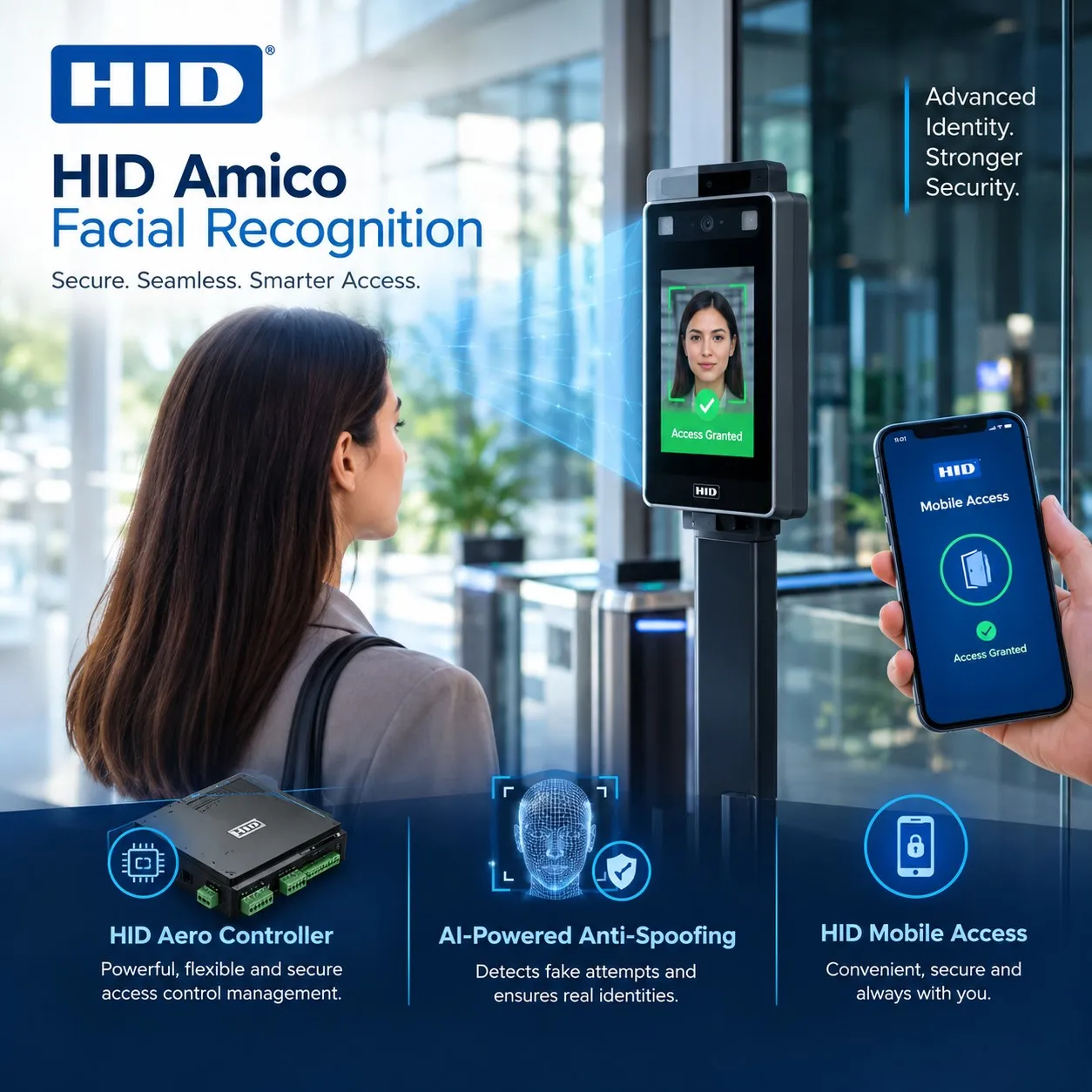
- Access control with badges, PINs or biometrics, and logs of who entered and when
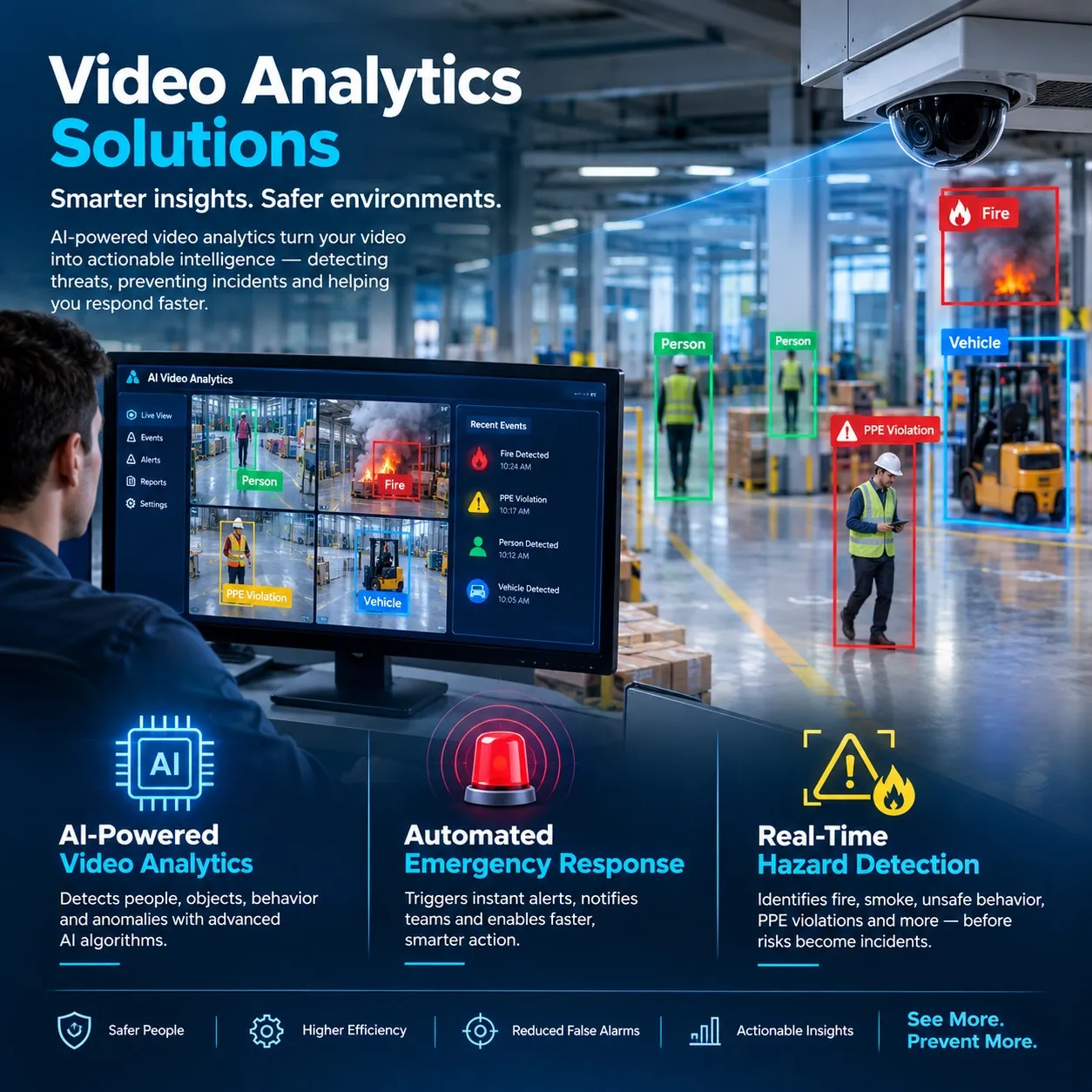
- CCTV coverage with recorded footage
- Security staff on site
- Fire suppression, backup power and cooling to protect against environmental risks
6. Data Center Security UAE
Data Center Security UAE means applying all of the above in a way that fits the local market, climate and rules. In the UAE, that includes:
- Local compliance. The UAE has its own data protection law, and Dubai and Abu Dhabi have their own information security standards for government and related entities. Some sectors, such as banking, healthcare and government, also have specific requirements about where data is stored and how it is handled.
- International standards. Many UAE providers work toward ISO 27001, PCI DSS and Uptime Institute tier ratings.
- Local conditions. High temperatures put extra pressure on cooling and power systems. Physical and environmental monitoring are part of security here.
Rules change over time, so always confirm current requirements with your legal or compliance team.
Benefits of Strong Data Center Security
- Protects sensitive data. Customer, financial and business records stay safe from theft and leaks.
- Reduces downtime. Fewer successful attacks means fewer outages and interrupted services.
- Lowers financial risk. A breach can bring recovery costs, fines, legal fees and lost customers. Prevention costs far less.
- Supports compliance. Good controls and logs make audits easier.
- Builds customer trust. Clients and partners prefer businesses that take data protection seriously.
- Improves recovery. Backups, monitoring and response plans help you get back on track quickly after an incident.
Why Data Center Security Matters for Dubai and UAE Businesses
The UAE is one of the region's main digital and financial hubs, and that makes it an attractive target for attackers.
- Fast digital growth. Cloud services, e-commerce, fintech, smart city projects and AI workloads all depend on secure data centers.
- Regional hub status. Many international companies run regional operations from Dubai, so they need reliable, secure hosting.
- Sensitive industries. Banking, healthcare, oil and gas, logistics and government all handle high-value data.
- Growing cyber threats. Ransomware and phishing campaigns target organizations across the Gulf region, so no business is too small to be a target.
- Regulation and reputation. Customers, regulators and partners expect strong controls. A single breach can harm trust that took years to build.
Features to Look For in a Data Center Security Solution
Use this checklist when you compare options:
- Layered protection. Physical, network, server and application security should all work together.
- Modern Data Center Firewalls. Look for NGFW features, internal segmentation and DDoS protection.
- Real-time Data Center Threat Detection. Ask about SIEM, EDR/XDR and 24/7 SOC monitoring.
- Strong encryption. Data should be protected at rest and in transit, with proper key management.
- Access control. Look for multi-factor authentication, role-based access and detailed logs.
- Backup and disaster recovery. Ask about recovery time targets and how often recovery is tested.
- Compliance support. Check for relevant certifications and experience with UAE requirements.
- Scalability. The solution should grow with your business without a complete rebuild.
- Clear reporting. You should be able to see alerts, incidents and security status easily.
- Local support. Fast response times and a team that understands the UAE market.
Why Choose a Professional Data Center Security Provider
Data center security is complex, and mistakes are costly. A professional provider offers:
- Expert design. They assess your risks and build a plan that fits your business, not a one-size-fits-all package.
- Correct setup. Firewalls, encryption and monitoring tools only work well when configured properly.
- 24/7 monitoring and response. Attacks do not wait for office hours. A dedicated team can act at any time.
- Compliance guidance. Experienced providers know the standards and can help you prepare for audits.
- Up-to-date protection. Threats change constantly. A good provider keeps tools patched, tuned and current.
- Lower total cost. Building an in-house team with the same skills is expensive. A provider gives you expert coverage at a predictable cost.
- Single point of accountability. One partner covering physical and digital security means fewer gaps and less finger-pointing.
Conclusion
Data center security protects the core of your business. It combines cybersecurity, Data Center Threat Detection, encryption, Data Center Firewalls and physical controls into one layered defence. For UAE businesses, the stakes are high because of fast digital growth, strict expectations and a busy threat landscape. Choosing a professional provider with local experience helps you close security gaps, stay compliant and keep your systems running with confidence.
Ready to Secure Your Data Center?
Looking for reliable Data Center Security UAE solutions? Our experts can assess your current setup, find your biggest risks and design a protection plan for your business in Dubai or anywhere in the UAE.
























Sign in to leave a comment.