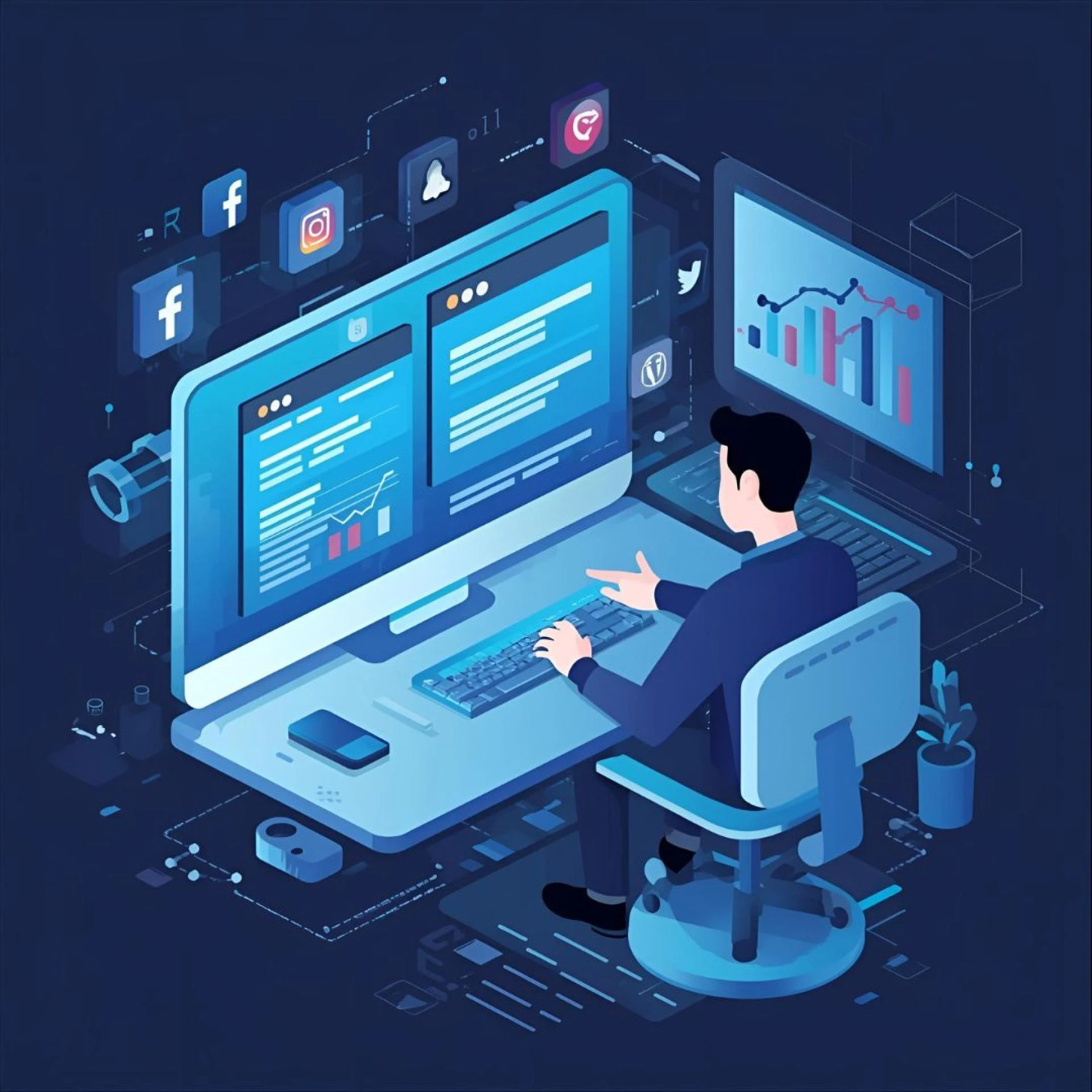

In today’s digital era, businesses are constantly looking for ways to maximize their marketing efforts. Data analytics has emerged as a game-changing tool that enables marketers to make informed decisions, optimize campaigns, and improve ROI. By leveraging the right insights, marketers can understand customer behavior, identify trends, and fine-tune their strategies for maximum impact.
With the increasing adoption of digital marketing tools and platforms, the importance of data-driven decision-making cannot be overstated. From social media campaigns to email marketing and paid advertisements, analyzing metrics has become essential for achieving measurable results.
Understanding the Role of Data Analytics in Marketing
Data analytics refers to the process of examining raw data to draw actionable insights. In digital marketing, this means tracking and analyzing various metrics such as click-through rates, conversion rates, engagement levels, customer demographics, and sales performance. By understanding these data points, marketers can refine their campaigns and focus on strategies that generate the best results.
For example, A/B testing allows marketers to test two versions of an ad or email and analyze which performs better. Similarly, predictive analytics can help anticipate customer behavior, enabling proactive adjustments to campaigns.
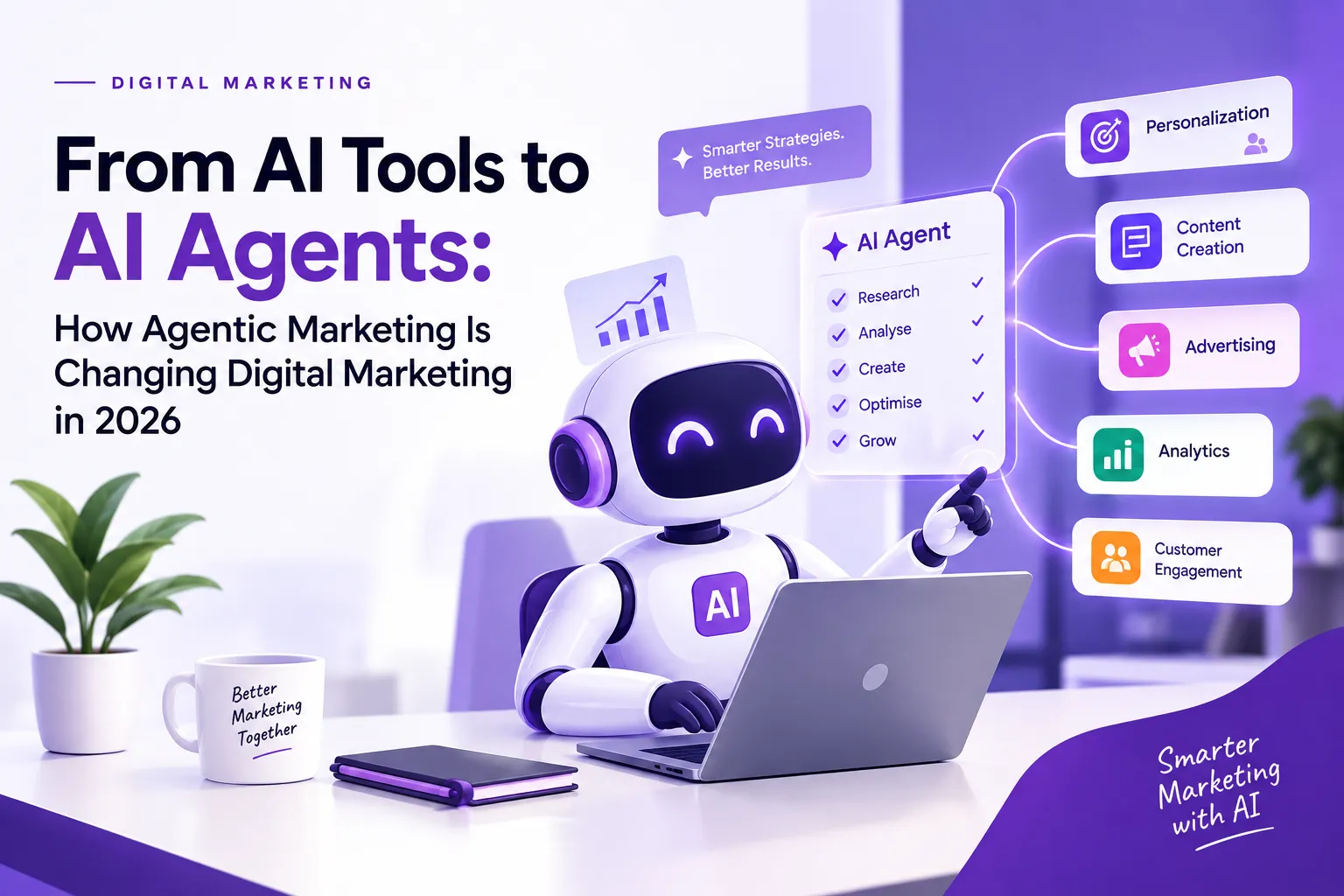
The latest news in marketing analytics highlights the rise of AI-powered analytics tools that provide real-time insights. Platforms now offer automated reporting, anomaly detection, and predictive modeling, making it easier than ever for marketers to optimize campaigns without manually crunching numbers.
Key Metrics Every Marketer Should Track
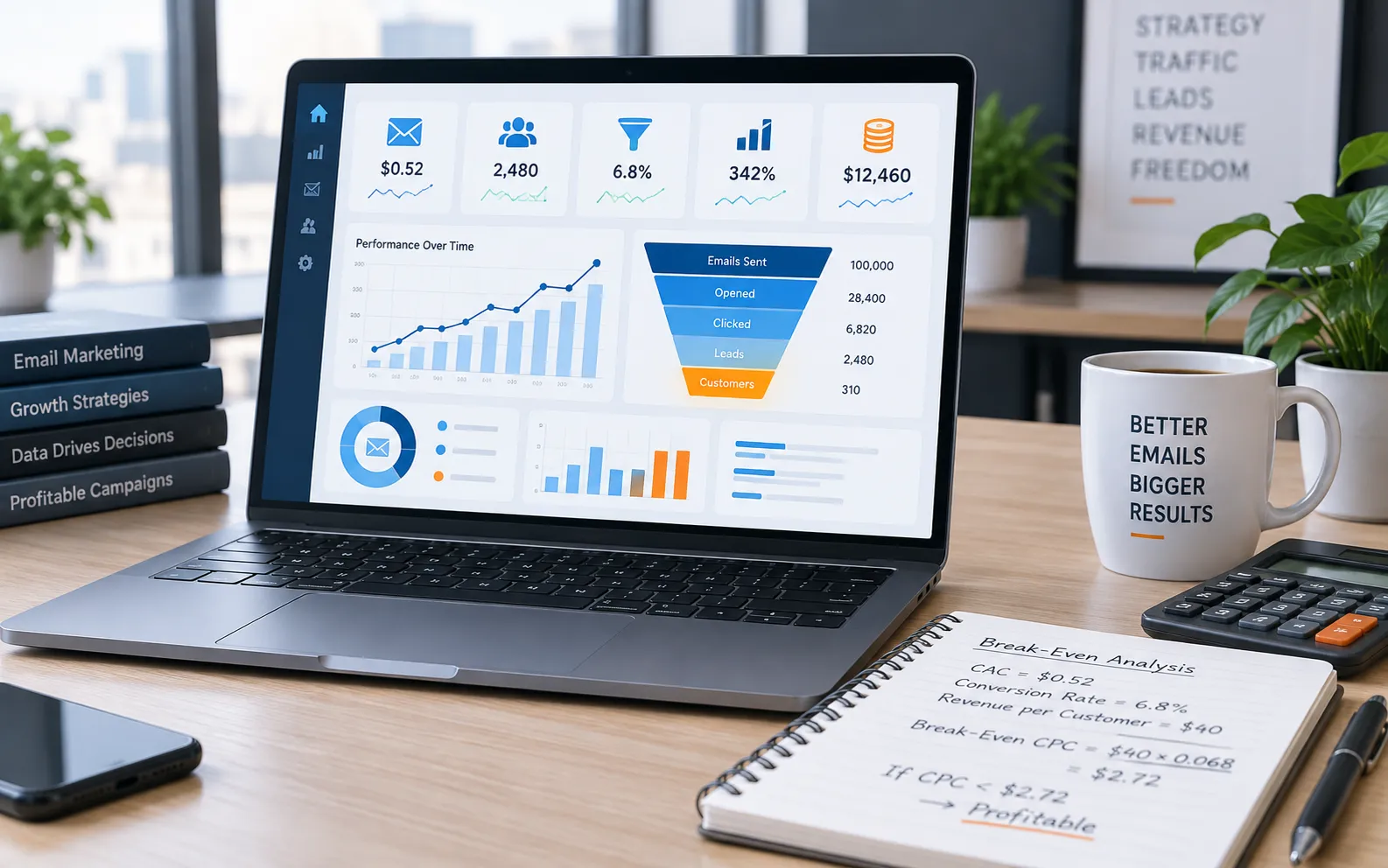
To leverage data analytics effectively, it is crucial to identify the key performance indicators (KPIs) relevant to your business. Some of the most important metrics include:
- Customer Acquisition Cost (CAC): Determines how much it costs to acquire a new customer.
- Conversion Rate: Measures the percentage of users who take a desired action.
- Return on Investment (ROI): Calculates the profitability of marketing campaigns.
- Engagement Metrics: Includes likes, shares, comments, and overall user interaction on social media platforms.
- Customer Lifetime Value (CLV): Helps understand the long-term value a customer brings to the business.
By tracking these metrics consistently, marketers can identify which campaigns are delivering results and which need improvement.
Tools for Effective Marketing Analytics
To implement data-driven strategies, marketers need reliable analytics tools. Popular platforms like Google Analytics, HubSpot, and SEMrush offer robust features to track website traffic, user behavior, and campaign performance. Additionally, social media platforms such as Facebook and LinkedIn provide insights into audience engagement and ad performance.
Marketing automation tools have also evolved to integrate analytics into email campaigns, paid advertisements, and customer segmentation. These tools allow marketers to measure results and make quick, informed adjustments to campaigns, ensuring optimal ROI.
The increasing focus on AI-driven tools has transformed analytics from reactive reporting to predictive insights. Companies are now using machine learning models to identify patterns in customer behavior, personalize campaigns, and forecast sales trends with remarkable accuracy.
Applying Data Analytics to Campaign Optimization
Once marketers have access to reliable data, the next step is applying insights to optimize campaigns. This involves:
- Segmentation: Grouping customers based on behavior, demographics, or preferences to deliver personalized content.
- Content Optimization: Using analytics to determine which content formats and messages resonate with your audience.
- Budget Allocation: Analyzing ROI metrics to allocate marketing budgets to the most effective campaigns.
- Channel Selection: Identifying high-performing channels and focusing resources there, whether it’s social media, email, or paid ads.
- Testing and Iteration: Continuously experimenting with new strategies and using analytics to measure the outcome.
For instance, a brand running a Facebook ad campaign can use real-time analytics to track CTR and conversion. If one ad set is underperforming, marketers can adjust the copy, visuals, or targeting parameters to improve results immediately.
Benefits of Data-Driven Campaigns
Using data analytics in digital marketing provides several key advantages:
- Improved ROI: By focusing resources on high-performing campaigns, businesses get the most value from their marketing spend.
- Personalized Experiences: Data allows for segmentation and personalization, resulting in more relevant campaigns for customers.
- Predictive Insights: Predictive analytics help anticipate customer behavior, improving planning and forecasting.
- Agility and Responsiveness: Real-time analytics enable quick decision-making and adaptation to market changes.
According to recent industry reports, companies leveraging advanced analytics report up to 20% higher marketing ROI compared to those relying solely on intuition.
Getting Trained in Marketing Analytics
For professionals looking to enhance their skills in this domain, taking the right course is essential. A course about digital marketing can provide comprehensive insights into analytics, campaign optimization, and the latest marketing technologies. These programs cover practical applications, helping marketers understand how to leverage data for better results.
Additionally, the growing interest in analytics-focused digital marketing programs has led to an increase in specialized courses. These programs combine theoretical knowledge with hands-on projects, enabling learners to gain real-world experience in interpreting data and optimizing campaigns.
Choosing the Right Institute
Selecting the right institute is critical for aspiring digital marketers. With the rapid growth of digital marketing education, options like Digital marketing courses in Pune have become widely available. Top institutes provide structured training, practical projects, and placement support, ensuring learners are job-ready and equipped with essential skills.
It’s important to choose programs that not only cover analytics and campaign strategies but also offer guidance on the latest tools and technologies. Institutes that incorporate live projects, industry case studies, and mentorship tend to produce more competent professionals who can excel in real-world campaigns.
Conclusion
In conclusion, leveraging data analytics is no longer optional for marketers—it is essential for optimizing campaigns and maximizing ROI. From tracking key metrics to applying insights for better decision-making, data-driven marketing strategies are shaping the future of digital marketing.
For those looking to upskill in this field, considering programs like fees for digital marketing course in Pune is a smart move. The city has seen significant growth in digital marketing education, offering comprehensive courses that focus on analytics, campaign optimization, and real-world applications. By investing in the right training, marketers can gain the expertise needed to drive measurable results and stay ahead in the competitive digital landscape.




























Sign in to leave a comment.