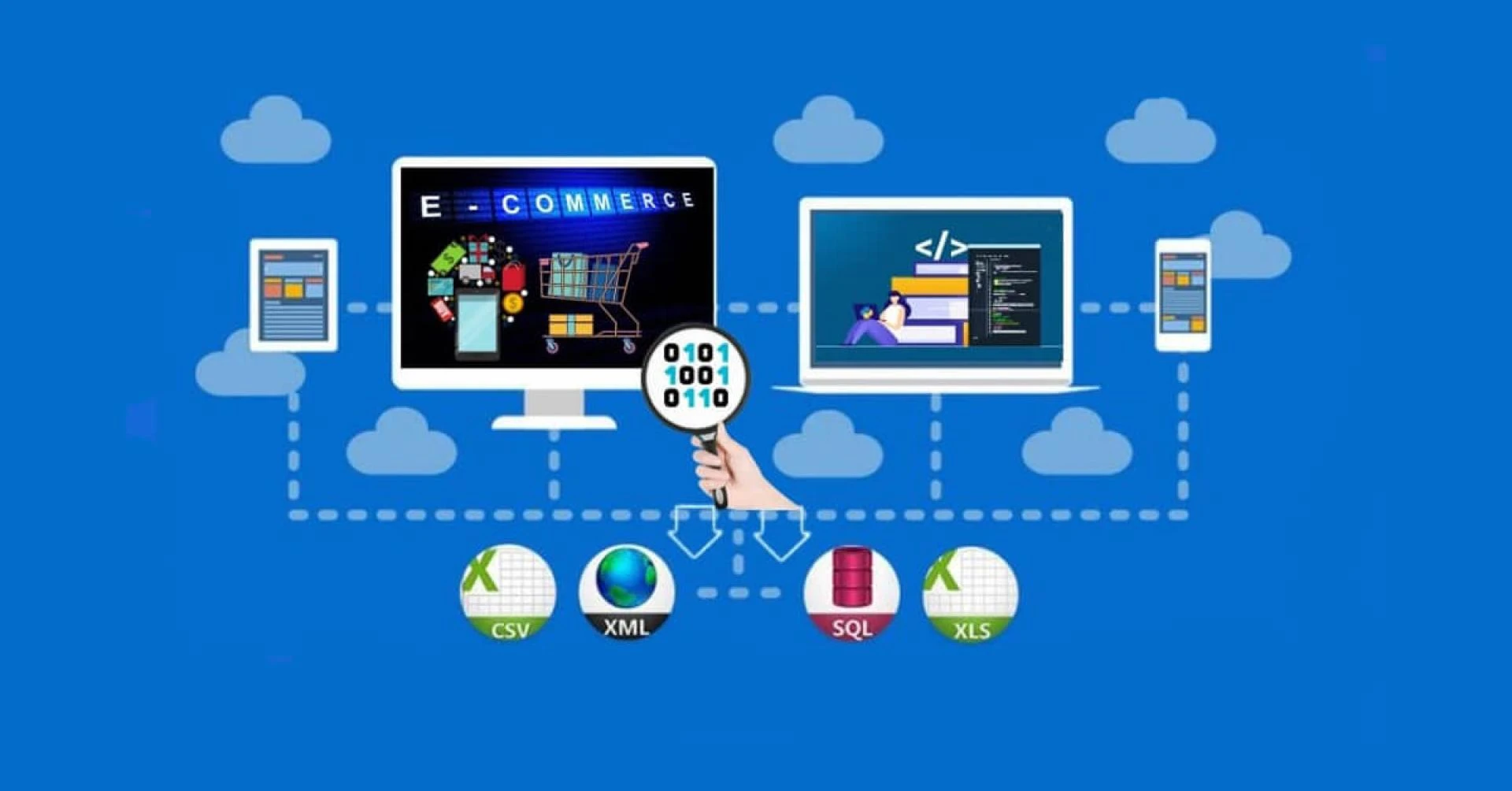

In today's digital age, data is the lifeblood of businesses, and the eCommerce industry is no exception. With the rapid growth of online shopping, eCommerce businesses are constantly seeking ways to gain a competitive edge. One of the most powerful tools at their disposal is data scraping. Data scraping involves extracting information from websites and online sources for analysis and decision-making. In the eCommerce sector, this technique offers several significant benefits. In this article, we'll explore the top three advantages of data scraping in eCommerce.
### 1. Price Monitoring and Competitor Analysis
In the fiercely competitive eCommerce landscape, pricing strategy is a critical factor that can make or break a business. Data scraping enables eCommerce businesses to monitor and analyze competitors' pricing strategies in real-time. Here's how it works:
**a. Price Tracking:** Data scraping tools can automatically extract product prices from competitor websites. By monitoring these prices regularly, businesses can stay up-to-date with market fluctuations and adjust their own pricing accordingly. This ensures that their products remain competitive without sacrificing profitability.
**b. Competitor Analysis:** Beyond pricing, data scraping allows eCommerce businesses to gather valuable insights about their competitors. They can track product assortments, identify new product launches, and monitor customer reviews and ratings. This information can be used to fine-tune their own product offerings and marketing strategies.
**c. Dynamic Pricing:** With the data collected through scraping, eCommerce businesses can implement dynamic pricing strategies. They can set rules that automatically adjust prices based on factors such as demand, inventory levels, and competitor pricing. This dynamic approach helps maximize revenue and profit margins.
### 2. Inventory Management and Demand Forecasting
Effective inventory management is essential for eCommerce businesses to meet customer demand while minimizing carrying costs. Data scraping aids in this aspect by providing the following benefits:
**a. Real-Time Inventory Updates:** Scraping data from suppliers' websites or marketplaces allows businesses to keep their inventory levels up to date in real time. This prevents overstocking or understocking of products and ensures a seamless shopping experience for customers.
**b. Demand Forecasting:** By analyzing historical sales data and customer behavior, eCommerce businesses can use data scraping to predict future demand. This information is invaluable for optimizing inventory levels, ordering products in advance, and avoiding stockouts during peak seasons.
**c. Supplier Management:** Data scraping can also be used to track supplier performance. Businesses can monitor supplier pricing, availability, and delivery times to make informed decisions about their sourcing strategies.
### 3. Enhanced Customer Insights and Personalization
In the eCommerce industry, understanding customer preferences and behavior is paramount for delivering a personalized shopping experience. Data scraping plays a crucial role in gathering the necessary customer insights:
**a. User Behavior Analysis:** By scraping data from their own websites, eCommerce businesses can track user behavior, such as the products they view, add to cart, or purchase. This data helps in understanding customer preferences and optimizing website design and product placement.
**b. Personalized Recommendations:** With insights gathered from data scraping, businesses can implement recommendation engines that suggest products to customers based on their browsing and purchase history. This personalized approach can significantly increase conversion rates and customer satisfaction.
**c. Targeted Marketing:** Data scraping can be used to collect publicly available information about potential customers, such as social media profiles and online activity. This data can be leveraged to create targeted marketing campaigns that reach the right audience with the right message.
In conclusion, data scraping is a powerful tool that provides eCommerce businesses with a competitive advantage in a crowded marketplace. From price monitoring and competitor analysis to inventory management and customer personalization, the benefits of data scraping in eCommerce are undeniable. To harness these advantages, it's essential for businesses to invest in reliable data scraping tools and develop data-driven strategies that align with their goals. In an ever-evolving eCommerce landscape, data scraping is the key to staying ahead of the curve and driving success.





Sign in to leave a comment.