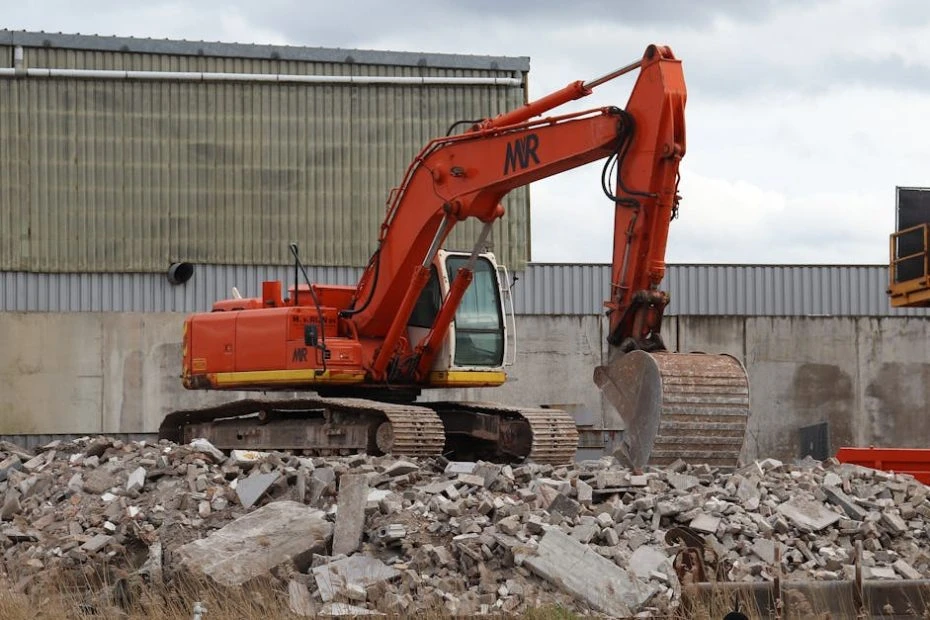

Buildings constructed before the 1990s often contain asbestos hidden in walls, ceilings, and roofing materials. For decades, manufacturers used asbestos because of its fire resistance and durability. Medical research has since proven that asbestos fibres cause serious lung diseases and cancers. Removing it safely requires trained professionals, specialised equipment, and strict compliance with health regulations.
Where Asbestos Hides in Buildings
Asbestos appears in a wide range of building materials. Roof sheets, ceiling boards, floor tiles, and pipe insulation commonly contain it. Brake linings, gaskets, and textured wall coatings may also harbour the material. When these materials remain intact and undisturbed, they look completely harmless.
The danger begins when asbestos-containing materials break down or get disturbed during renovation and construction work. Cutting, drilling, sanding, or even natural weathering releases microscopic fibres into the air. These fibres stay airborne for hours and can travel significant distances from their original source.
Breathing in asbestos fibres causes lasting damage to the lungs. The health effects often take decades to become apparent. Mesothelioma, asbestosis, and lung cancer all result from asbestos contact. Medical professionals agree there is no safe level of contact, which makes proper handling absolutely critical for any building project involving older structures.
Testing Before Any Work Begins
Any renovation or demolition of older buildings should start with a thorough asbestos survey. Trained assessors examine the building systematically and collect samples from suspect materials. These samples go to a laboratory where analysis confirms which materials contain asbestos and what type.
Survey results guide decisions about how the project should proceed. Materials found in good condition might be left in place and managed through monitoring. Damaged materials, or those located in the path of planned construction work, require professional removal before anything else happens.
Skipping the survey stage creates serious risks for everyone involved. Workers might unknowingly cut into or disturb asbestos materials during demolition or renovation. The resulting contamination affects every person who enters the area, sometimes for weeks afterward. The cleanup costs from accidental disturbance far exceed what proper surveying and planned asbestos removal would have cost from the start.
Understanding Removal Requirements
Asbestos removal is not a do-it-yourself project under any circumstances. Regulations require licensed contractors with proper training, certification, and specialised equipment. Property owners cannot legally remove anything more than very small amounts of non-friable asbestos on their own.
Certified asbestos removal contractors hold licences issued by government regulators. These licences come in different classes depending on the type of asbestos work the holder can perform. Class A licences permit friable asbestos work, which involves materials that crumble easily and release fibres. Class B licences cover non-friable materials only, such as intact cement sheeting.
Different regions maintain different regulations and compliance standards. Asbestos removal Cape Town and other metropolitan areas each have specific requirements that local contractors understand thoroughly. Working with contractors who know the local rules and standards prevents compliance problems and potential fines.
How Professional Removal Works
Professional asbestos remediation follows strict, well-documented procedures designed to protect both workers and building occupants. The work area gets completely sealed off from the rest of the building using plastic sheeting that creates airtight containment barriers. Negative air extraction equipment runs continuously, preventing any fibres from escaping the contained zone.
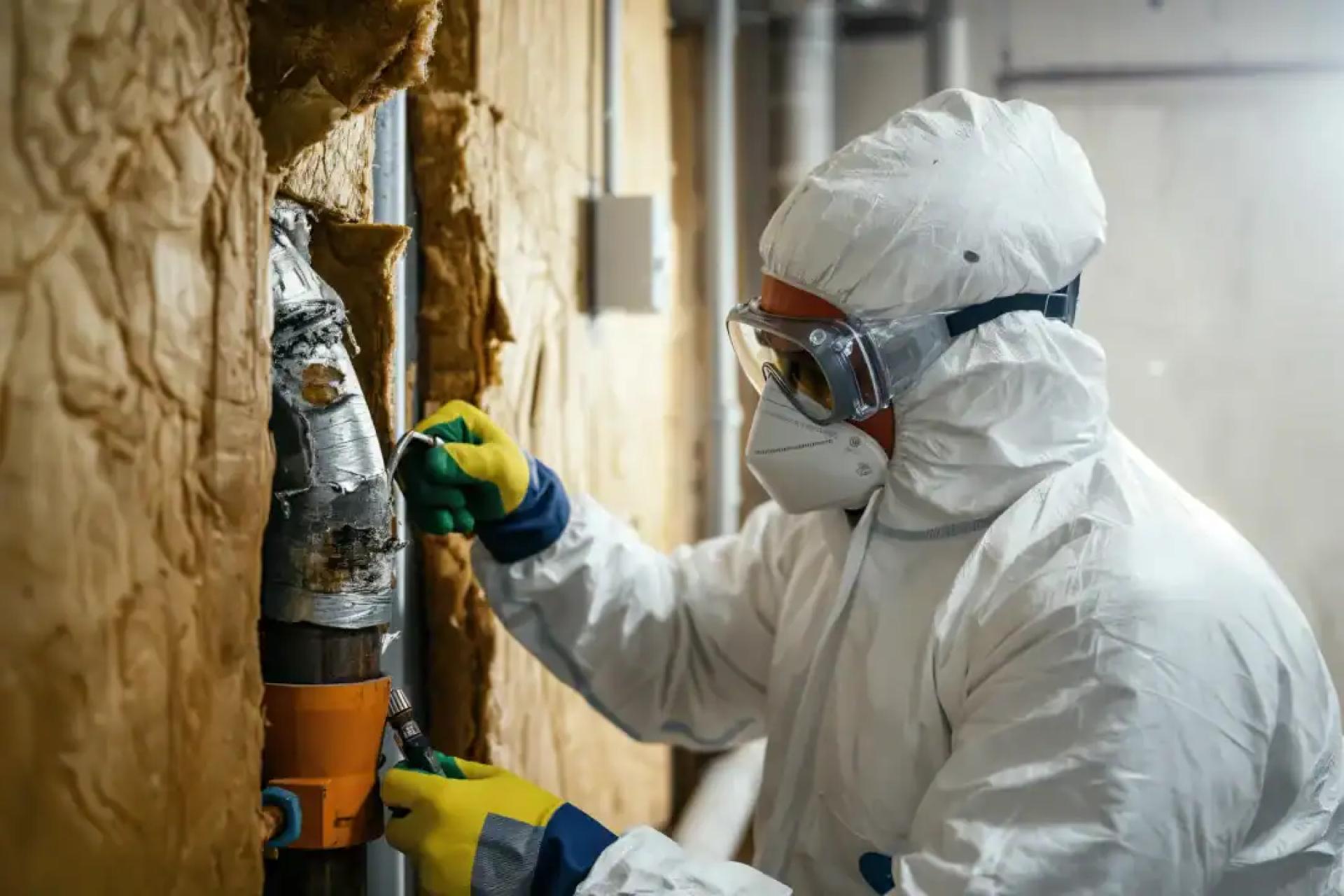
Workers enter the containment wearing full protective equipment, including P3 respirators and disposable coveralls. They wet asbestos materials thoroughly before disturbing them, because dampness dramatically reduces fibre release into the air. Every action involves careful, deliberate handling to minimise breakage.
Removed materials go into sealed, double-layered bags or wrapped bundles clearly labelled as asbestos waste. Nothing leaves the containment area without proper wrapping and labelling. Each bag gets inspected before moving to the designated waste storage area.
Mitigation as an Alternative
Not every asbestos situation requires full removal. Asbestos mitigation sometimes means encapsulating or enclosing materials rather than taking them out. Coating asbestos with specialised sealants locks fibres in place and prevents release. Building solid barriers around asbestos materials isolates them completely from occupied spaces.
These approaches work best when asbestos materials remain in reasonable condition and when future work will not disturb them. Encapsulation costs less than removal and avoids the risks that the removal process itself creates, since even careful removal generates some fibre disturbance.
The trade-off is that the asbestos stays in the building permanently. Future property owners inherit the responsibility of managing it. Any renovation or demolition affecting those areas in the future still requires proper removal at that point. For buildings facing major renovation, paying for complete removal upfront often makes more financial sense than deferring the problem.
Phased Abatement Strategies
Asbestos abatement removal can happen in carefully planned stages on larger projects. Critical areas get cleared first so that other construction trades can begin their work. Less urgent areas wait until later in the project sequence, keeping the overall timeline efficient.
Phasing the work reduces disruption to building operations and spreads costs across different budget periods. This approach works well when not every asbestos-affected area needs clearing at the same time. Planning the correct sequence requires understanding how different parts of the project depend on each other.
An experienced asbestos removalist contributes valuable insight during project planning. Having seen dozens of similar projects, these professionals know which approaches deliver the best results for different building types and situations. Their input during the planning phase often prevents expensive scope changes and delays once work begins.
Treatment Options Worth Knowing
Some situations call for asbestos treatment rather than physical removal. Chemical treatments penetrate asbestos-containing materials and bind the fibres together so they cannot become airborne. The material stays in place, but its ability to release harmful fibres drops dramatically.
Treatment works well in situations where removal would be extremely difficult, dangerous, or disruptive to building operations. Asbestos sprayed onto structural steel beams, for example, is notoriously difficult to remove without also exposing and potentially damaging the steel itself. Chemical treatment provides adequate protection at significantly lower cost and disruption.
However, treatment does not eliminate the asbestos from the building. The material remains in place and needs ongoing monitoring and management. Regular inspections confirm the treatment remains effective over time. Any future construction work affecting treated areas still demands careful, professional handling.
Waste Disposal and Transport
Asbestos waste cannot go to regular landfill sites. Only licensed disposal facilities accept this material, and they handle it according to strict protocols. Asbestos waste gets buried in designated cells separate from general waste, with detailed records maintained for every delivery.
Transport to disposal sites must follow approved methods at all times. Vehicles carrying asbestos waste need proper placarding visible from outside. The waste must remain fully wrapped and secured throughout the trip, with no possibility of leakage or escape during transit.
Disposal costs vary depending on location, quantity, and the type of asbestos involved. Some removal quotes bundle disposal into the total price, while others itemise it separately. Asking for clarification on what the quoted price includes prevents unpleasant budget overruns when the invoice arrives.
Air Monitoring and Clearance
Air monitoring during removal operations confirms that containment controls are working as intended. Technicians collect air samples both inside and outside the sealed work area at regular intervals. Laboratory analysis counts the number of fibres present in each sample.
Results from outside the containment zone should show no elevation above normal background levels. Results from inside the zone indicate whether workers face additional contact despite their protective equipment. Any readings above acceptable thresholds trigger immediate work stoppages and investigation into what went wrong.
Clearance monitoring after removal confirms the area is safe for people to re-enter and use normally. Air samples collected from inside the former work area must show fibre counts below official clearance limits. Only after passing clearance testing can the containment barriers come down and normal building use resume.
Documentation That Matters
Every asbestos project generates significant documentation. Survey reports, detailed work plans, air monitoring results, and waste disposal receipts all need proper filing and long-term storage. These records prove that the work followed correct procedures and met regulatory requirements.
Future property owners and buyers need access to asbestos records during property transactions. Missing documentation raises immediate questions about what work was actually done and whether hidden problems remain. Complete, organised records protect everyone involved and support smooth property sales down the line.
For buildings where asbestos remains in any form, ongoing management is not optional. Asbestos registers document exact locations and material types. Regular condition inspections track any deterioration. Written management plans specify exactly how to handle future maintenance or construction that might affect those areas. Safe handling protects workers, occupants, and the surrounding community from serious, long-term health consequences.






Sign in to leave a comment.