
In today’s fast-paced digital world, financial accuracy is more important than ever. Businesses, big and small, are increasingly relying on debit card transactions for day-to-day operations. However, managing these transactions can be a complex and time-consuming process, particularly when it comes to reconciling payments. Debit card reconciliation is essential to ensure that your business’s financial records align with bank statements and the transactions you’ve processed. In this blog, we’ll explore the importance of debit card reconciliation, the steps involved, and how to efficiently manage payment reconciliation.
What is Debit Card Reconciliation?
Debit card reconciliation is the process of matching and verifying the transactions made via debit cards with your business's internal records and bank statements. This process ensures that your financial accounts accurately reflect all the debit card payments and that there are no discrepancies or errors in your financial reporting.
When a customer makes a payment using a debit card, the transaction needs to be recorded and reconciled with the corresponding entry in the bank statement. Debit card reconciliation helps in identifying discrepancies like chargebacks, incorrect charges, or delayed payments, making it a vital part of maintaining accurate financial records.
Why is Debit Card Reconciliation Important?
- Accurate Financial Reporting
- Debit card transactions are often frequent, especially for businesses with a high volume of sales or services. Reconciling these payments ensures that all transactions are accounted for, preventing errors in your financial statements. Without proper reconciliation, there could be errors in your profit margins or accounts, leading to inaccurate reporting.
- Fraud Detection
- One of the major benefits of debit card reconciliation is the ability to spot fraudulent activity. If unauthorized transactions or discrepancies are found during the reconciliation process, they can be flagged immediately. This reduces the risk of financial loss and helps you take quick action to resolve the issue.
- Streamlined Cash Flow Management
- When your debit card transactions are accurately reconciled, it’s easier to track cash flow, predict future expenses, and manage working capital. Payment reconciliation provides you with a clear picture of your available funds and ensures you’re not caught off-guard by discrepancies in your cash balance.
- Improved Customer Service
- Discrepancies in debit card transactions can sometimes lead to customer complaints. If there are issues with the payment, prompt reconciliation ensures that they are addressed quickly, improving customer satisfaction. By identifying and resolving errors efficiently, you can offer a smoother payment experience for your clients.
Steps Involved in Debit Card Reconciliation
- Collect Transaction Data
- The first step in debit card reconciliation is gathering all relevant transaction details. This includes the amount, transaction date, and the debit card used. You’ll need access to both your business's internal transaction records and the statements provided by your bank.
- Match Transactions
- The next step is matching each transaction in your internal records with the corresponding entry in the bank statement. This can be a time-consuming task, especially for businesses with a high volume of transactions. Ensure that each debit card payment recorded aligns with the bank’s records to avoid discrepancies.
- Identify Discrepancies
- Once transactions are matched, it's important to identify any discrepancies. This could include overcharges, undercharges, duplicate entries, or chargebacks. These issues should be flagged and investigated to ensure they are resolved quickly.
- Investigate Issues
- If discrepancies are found, you need to investigate the issue. This might involve reaching out to the bank or the customer to get clarification. Once the cause of the discrepancy is identified, take the necessary steps to rectify the situation.
- Adjust Records
- After resolving discrepancies, update your internal records to ensure they are accurate. This includes adjusting amounts, removing duplicate entries, and correcting any errors. Proper adjustments will ensure that your financial reports reflect the true picture of your transactions.
- Reconcile Regularly
- To maintain financial accuracy, regular debit card reconciliation is essential. Monthly or even weekly reconciliation can help spot problems early and prevent larger discrepancies from arising. Setting up automated reconciliation tools can make this process quicker and more efficient.
Payment Reconciliation: More Than Just Debit Card Transactions
While debit card reconciliation focuses on reconciling payments made through debit cards, payment reconciliation extends to all forms of transactions—credit cards, digital wallets, and bank transfers. Payment reconciliation is crucial for businesses that accept multiple forms of payment. It ensures that all transactions, regardless of method, are accurately recorded and aligned with bank statements.
The process of payment reconciliation follows the same basic principles as debit card reconciliation, with the added complexity of dealing with multiple payment methods. It involves gathering transaction details, matching payments, identifying discrepancies, investigating issues, and updating records. By ensuring accurate payment reconciliation across all payment methods, businesses can streamline their accounting processes and reduce the risk of financial errors.
How Optimus Fintech Helps with Debit Card Reconciliation
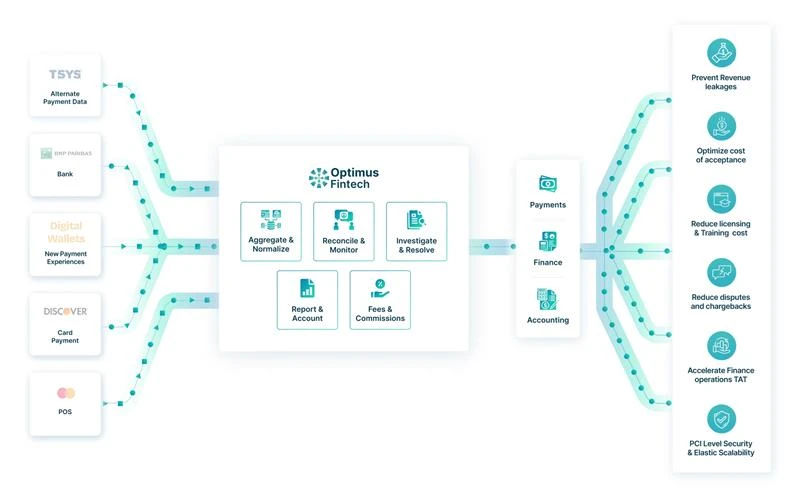
Reconciliation, whether it’s debit card reconciliation or general payment reconciliation, can be a time-consuming and resource-intensive process. For businesses, having a reliable partner to handle this task is crucial. Optimus Fintech provides comprehensive debit card reconciliation services designed to streamline the process, save time, and ensure accuracy.
By leveraging advanced technologies and expertise, Optimus Fintech helps businesses reconcile debit card payments quickly and efficiently. Their services include automated reconciliation solutions, regular audit checks, and a team of experts to handle discrepancies. With Optimus Fintech’s debit card reconciliation services, businesses can focus on growth while ensuring that their financial records are always accurate.
Conclusion
Debit card reconciliation is an essential part of maintaining accurate financial records for your business. Whether you’re managing a small startup or a large corporation, ensuring that your debit card transactions are reconciled regularly helps prevent errors, identify fraud, and improve overall cash flow management. By incorporating payment reconciliation across all transaction types, businesses can maintain financial accuracy and avoid costly mistakes.
Optimus Fintech provides expert debit card reconciliation services, helping businesses navigate the complexities of financial record-keeping with ease. Their services are designed to offer accurate, efficient, and timely reconciliation, ensuring that your business stays on top of its financial game.






















Sign in to leave a comment.