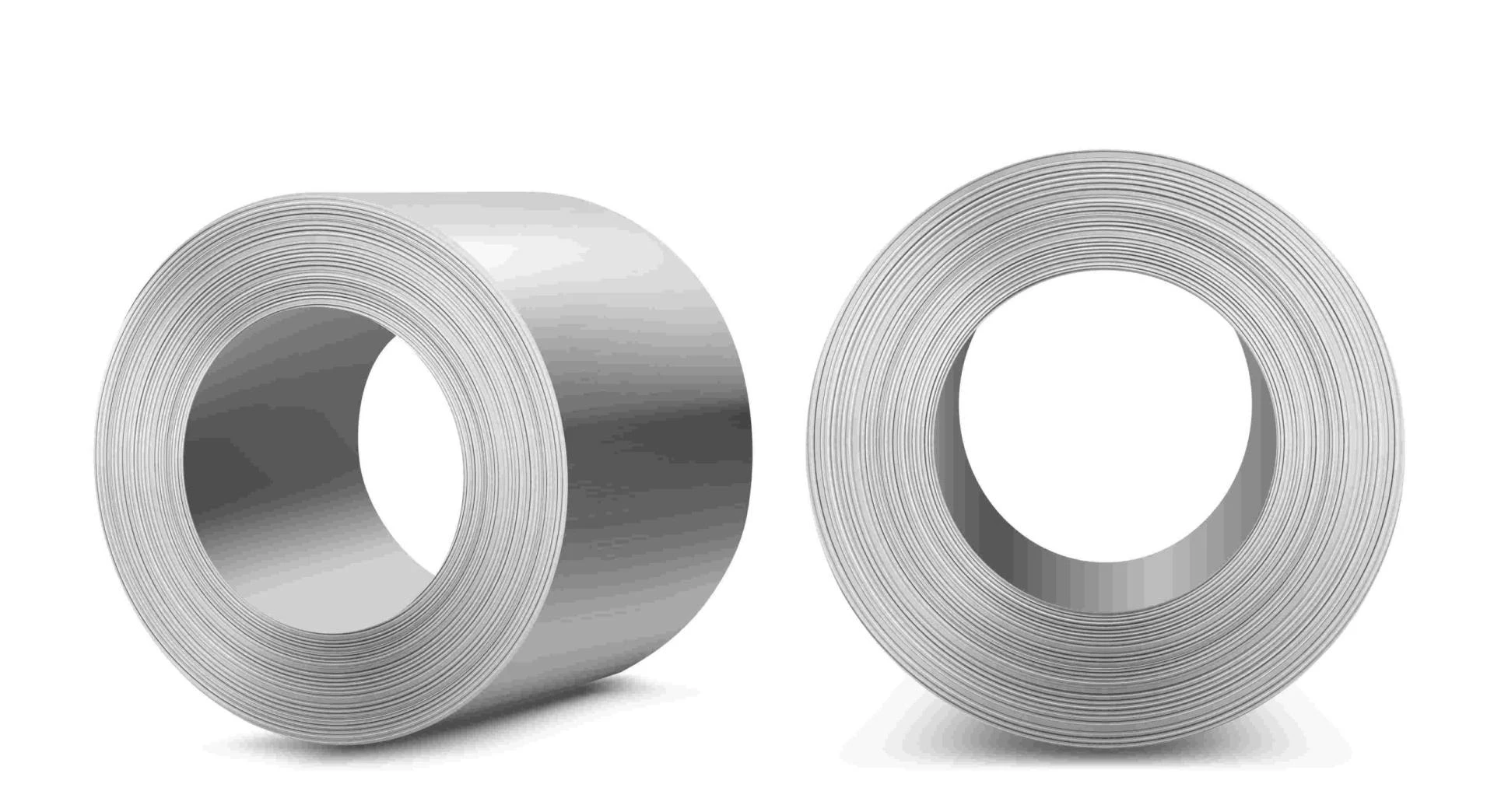

Hot Rolled Coil (HRC) steel is a fundamental material in various industries, ranging from construction and automotive to manufacturing and shipbuilding. The HRC coil prices are a crucial indicator of economic health and industrial activity. Understanding the factors influencing HRC prices, current market trends, and future predictions can provide valuable insights for businesses and investors. In this blog, we will explore the HRC price today in the global market, the factors affecting these prices, and what we can expect moving forward.
Understanding Hot Rolled Coil (HRC) Steel
Hot Rolled Coil steel is produced by heating steel slabs to high temperatures and then rolling them into coils. This process imparts specific mechanical properties to the steel, making it suitable for a variety of applications. HRC is known for its malleability, which allows it to be easily shaped and formed into different products. Its versatility and widespread use make HRC a vital component in the global steel market.
Current HRC Prices in the Global Market
As of today, the HRC coil prices in the global market fluctuates based on several factors. The average price of HRC can vary significantly across different regions. For instance, the HRC price today in Asia might differ from that in Europe or North America due to differences in supply and demand dynamics, production costs, and market conditions.
To get a real-time update on HRC coil prices, it is essential to refer to reliable sources such as commodity exchanges (e.g., CME Group), industry reports, and financial news websites. These sources provide up-to-date information on HRC prices, allowing businesses to make informed decisions.
Factors Influencing HRC Prices
Several factors influences the global HRC prices in the market. Understanding these factors can help stakeholders anticipate price changes and plan accordingly. PriceVision is one such software that can help you understand the global HRC prices and the forecasts about it for the near future.
Supply and Demand DynamicsProduction Levels: The amount of HRC produced by steel mills directly impacts its supply in the market. Any disruption in production, such as plant shutdowns or operational issues, can reduce supply and increase prices.Demand from Industries: The demand for HRC is driven by various industries, including construction, automotive, and manufacturing. Economic conditions and industrial activity levels in these sectors influence the demand for HRC. Raw Material CostsIron Ore and Coal Prices: Iron ore and coal are the primary raw materials used in steel production. Fluctuations in the HRC coil prices, these raw materials can impact the cost of producing HRC, thereby affecting its market price.Scrap Metal Prices: The availability and cost of scrap metal, another important raw material in steel production, also play a role in determining HRC prices.Energy CostsElectricity and Fuel Costs: Steel production is energy-intensive. Variations in energy costs, such as electricity and fuel prices, can affect the overall production cost of HRC.Global Trade PoliciesTariffs and Duties: Import and export tariffs imposed by countries can influence the flow of HRC across borders, impacting its availability and price in different regions.Trade Agreements: Bilateral and multilateral trade agreements between countries can affect the HRC market by altering the competitive landscape and market access.Economic IndicatorsGDP Growth: Economic growth rates, reflected in GDP growth, influence industrial activity and demand for steel products, including HRC.Construction Activity: The level of construction activity, both residential and commercial, is a significant driver of HRC demand.Market SentimentSpeculation: Market speculation and investor sentiment can lead to short-term price fluctuations in HRC prices.Financial Markets: The performance of financial markets and economic indicators can impact investor confidence and commodity prices, including HRC.
Current Trends in the HRC Market
Regional Price VariationsThe HRC market is characterized by regional price variations due to differences in supply and demand dynamics. For example, Asia, particularly China, is a major producer and consumer of HRC. Any changes in China's steel production or demand can have a significant impact on global hrc prices.Environmental RegulationsStringent environmental regulations and emission norms in various countries are influencing steel production practices. Compliance with these regulations can increase production costs, affecting HRC prices.Technological AdvancementsTechnological advancements in steel production, such as the adoption of electric arc furnaces (EAF) and improved rolling techniques, are impacting the efficiency and cost of HRC production.Global Supply Chain DisruptionsThe COVID-19 pandemic highlighted vulnerabilities in global supply chains, affecting the availability of raw materials and finished products. Ongoing geopolitical tensions and trade disruptions continue to pose challenges to the HRC market.Future Outlook for HRC Prices
The future outlook for HRC prices depends on several factors, including economic recovery, industrial activity, and policy changes. Here are some key considerations for the future:
Economic Recovery Post-PandemicAs economies recover from the impact of the COVID-19 pandemic, industrial activity is expected to pick up, driving demand for HRC. However, the pace of recovery and the extent of government stimulus measures will influence the strength of this demand.Infrastructure InvestmentIncreased investment in infrastructure projects, particularly in developing economies, is likely to boost demand for HRC. Government initiatives aimed at modernizing infrastructure and promoting construction activities will play a crucial role.Sustainability InitiativesThe global push towards sustainability and decarbonization in the steel industry may lead to higher production costs due to the adoption of greener technologies. This shift could impact HRC prices, making them more volatile in the short term but potentially stabilizing in the long term.Technological InnovationsContinued advancements in steel production technology and the adoption of digitalization and automation are expected to improve efficiency and reduce costs, influencing HRC price today.Geopolitical DevelopmentsGeopolitical tensions and trade policies will continue to impact the HRC market. Changes in trade agreements, tariffs, and sanctions can create uncertainties and affect price stability.Conclusion
Understanding the current HRC price today in the global HRC prices of the market and the factors influencing it is crucial for businesses and investors in the steel industry. The dynamic nature of the HRC market requires continuous monitoring of supply and demand trends, raw material costs, economic indicators, and geopolitical developments.
By staying informed and adopting appropriate risk management strategies, stakeholders can navigate the complexities of the HRC market and make informed decisions. As the global economy continues to evolve, the HRC market will remain a critical indicator of industrial activity and economic health.
PriceVision is one software that can help you understand these sudden shortcomings of the industry and help you in understanding the forthcomings of HRC coil prices.
Frequently Asked Questions (FAQs)
What is the difference between Hot Rolled Coil (HRC) and Cold Rolled Coil (CRC)?Answer: Hot Rolled Coil (HRC) is produced by heating steel slabs to high temperatures and then rolling them into coils. This process imparts specific mechanical properties to the steel, making it suitable for various applications. In contrast, Cold Rolled Coil (CRC) is produced by further processing HRC through cold rolling, which improves its surface finish, strength, and dimensional accuracy. CRC is typically used in applications requiring precise specifications and superior surface quality, such as automotive and appliance manufacturing.
How often do HRC prices change?Answer: HRC prices can change frequently, often on a daily basis, depending on market conditions. Factors such as supply and demand dynamics, raw material costs, energy prices, and geopolitical developments can lead to fluctuations in HRC price today. To stay updated on the latest HRC prices, it is essential to monitor reliable sources such as commodity exchanges, industry reports, and financial news websites.
How can businesses mitigate the impact of HRC price fluctuations?
Answer: Businesses can mitigate the impact of HRC price fluctuations through several strategies:
Hedging: Using financial instruments such as futures contracts to lock in prices and protect against price volatility.Diversification: Sourcing HRC from multiple suppliers and regions to reduce dependency on a single market.Long-Term Contracts: Negotiating long-term supply contracts with fixed prices to ensure price stability.Inventory Management: Maintaining optimal inventory levels to buffer against short-term price changes and supply disruptions.
To Get Real-Time Price of HRC Visit: https://pricevision.ai



























Sign in to leave a comment.