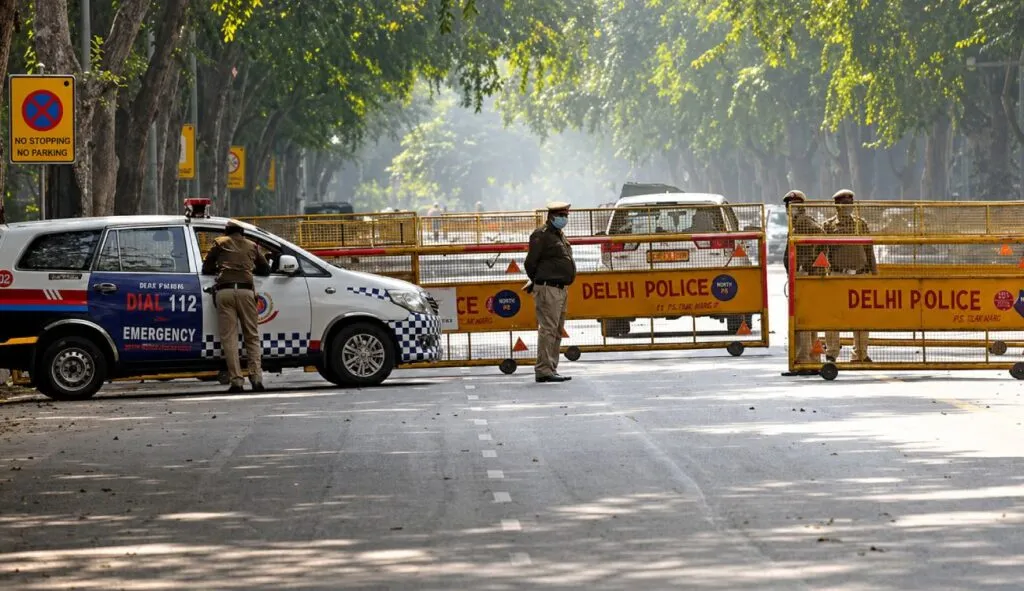

A recent court decision in the Delhi school assault case involving a three-year-old girl has sparked intense public debate, outrage, and renewed concerns over child safety in educational institutions across India. The case, which gained national attention after allegations surfaced against a school staff member, continues to dominate headlines as the accused has now been granted bail by the court. The development has triggered emotional reactions from parents, child rights activists, and legal experts who are closely monitoring the progress of the investigation and judicial proceedings.
The shocking nature of the incident has once again highlighted the urgent need for stronger child protection policies, stricter background verification of school employees, and improved safety mechanisms within schools. As the legal battle continues, the case has become a major topic of discussion on social media platforms and news channels nationwide.
Details of the Delhi School Assault Case
According to reports, the alleged incident took place inside a private school in Delhi where a three-year-old girl was reportedly assaulted by a staff member employed at the institution. The complaint was filed after the child’s family noticed unusual behavior and physical discomfort, leading them to seek medical attention and approach the police.
Authorities quickly registered a case under relevant sections of the Indian Penal Code and the Protection of Children from Sexual Offences (POCSO) Act. The accused staff member was detained and interrogated by investigators as police began collecting evidence related to the case. The incident created widespread fear among parents and raised serious concerns regarding student security within school premises.
As the news spread, protests erupted in several parts of Delhi, with citizens demanding strict punishment for the accused and stronger accountability from school management authorities. Child rights organizations also called for faster judicial action to ensure justice for the victim and her family.
Court Grants Bail to the Accused
In a recent development, the accused staff member was granted bail by the court, a decision that has generated significant controversy and emotional reactions from the public. Legal experts stated that granting bail does not imply innocence but is part of the judicial process based on available evidence, procedural considerations, and legal arguments presented before the court.
The defense reportedly argued that the investigation was ongoing and that the accused had cooperated with authorities during questioning. Meanwhile, the prosecution opposed the bail plea, citing the seriousness of the allegations and the sensitive nature of the case involving a minor child.
Despite public anger, legal analysts emphasized that the court’s decision on bail is separate from the final verdict of the case. The investigation and trial process are expected to continue, and authorities may present additional evidence during upcoming hearings.
Public Reaction and Nationwide Outrage
The bail decision has intensified anger among citizens, especially parents concerned about the safety of children in schools. Social media platforms have been flooded with reactions demanding stricter laws and faster justice in crimes involving minors. Many users questioned whether the existing legal system is adequately protecting victims and their families in such sensitive cases.
Women’s rights activists and child protection groups expressed disappointment over the bail order, stating that such cases require careful handling to maintain public confidence in the justice system. Several organizations have urged authorities to ensure that the investigation remains transparent and unbiased.
The incident has also led to broader discussions about the responsibilities of schools in safeguarding students. Parents across Delhi and other parts of India are increasingly demanding stronger surveillance systems, regular employee background checks, and better communication between schools and families.
Importance of Child Safety in Schools
The Delhi school assault case has once again brought attention to the growing importance of child safety measures in educational institutions. Schools are expected to provide a secure and supportive environment where children can learn without fear. However, incidents involving misconduct by staff members can severely damage trust between parents and educational authorities.
Experts believe that schools must implement strict hiring policies, including police verification and psychological screening for all employees. In addition, institutions should conduct regular awareness programs for teachers, students, and parents regarding child protection laws and emergency reporting procedures.
The use of CCTV surveillance, secure classroom monitoring systems, and dedicated child safety committees has also been recommended by education specialists. Many parents now believe that schools must adopt zero-tolerance policies toward any form of misconduct involving children.
Legal Framework Under the POCSO Act
Cases involving minors are generally investigated under the Protection of Children from Sexual Offences Act, commonly known as the POCSO Act. The law was introduced in India to provide stronger legal protection to children against sexual abuse, harassment, and exploitation.
Under the POCSO Act, authorities are required to conduct child-friendly investigations and ensure that victims receive proper emotional and psychological support during the legal process. The law also mandates strict punishment for those found guilty of crimes against minors.
Legal experts note that bail in POCSO-related cases depends on several factors, including the nature of evidence, the stage of investigation, and arguments presented by both sides. Courts are expected to balance the rights of the accused with the seriousness of the allegations and the need to protect victims.
Questions Raised About School Accountability
Another major aspect of the Delhi school assault case is the question of institutional accountability. Many parents and activists are asking whether the school administration took adequate precautions to ensure student safety. Critics argue that educational institutions must be held responsible if negligence or lack of supervision contributes to incidents involving children.
Authorities may examine whether school officials followed mandatory safety guidelines, monitored staff behavior effectively, and responded promptly after the complaint surfaced. In recent years, several cases involving student safety have increased pressure on schools to strengthen internal policies and emergency response systems.
Education experts believe that schools must maintain open communication with parents and establish confidential reporting channels for students and guardians to raise concerns without fear.
Psychological Impact on Children and Families
Incidents involving young children can leave long-lasting emotional and psychological effects on victims and their families. Child psychologists emphasize that early emotional support and professional counseling are essential for helping children recover from traumatic experiences.
Families involved in such cases often face stress, anxiety, and public attention while navigating the legal process. Experts recommend that authorities and educational institutions provide sensitive handling of such situations to avoid further emotional harm to victims.
The Delhi case has also prompted discussions about mental health awareness and the importance of creating safe environments where children feel protected and supported.
Growing Demand for Faster Justice
The public reaction to the Delhi school assault case reflects a larger demand for quicker judicial proceedings in crimes involving children. Many citizens believe that lengthy investigations and delayed trials can increase trauma for victims and reduce public confidence in the legal system.
Activists and legal experts have urged courts and investigative agencies to prioritize cases involving minors and ensure timely delivery of justice. Calls for stricter punishment, improved child protection laws, and stronger school regulations continue to grow across the country.
The case has become a reminder that protecting children requires cooperation between parents, schools, law enforcement agencies, and policymakers.
Conclusion
The Delhi school assault case involving a three-year-old girl has deeply shocked the nation and reignited conversations about child safety, legal accountability, and institutional responsibility in India. While the court’s decision to grant bail to the accused staff member remains controversial, the investigation and judicial proceedings are still ongoing.
As the country watches the case closely, it has become clear that stronger preventive measures, stricter school safety policies, and faster legal action are essential to protect children from harm. Parents, educators, and authorities must work together to create safer learning environments where every child can feel secure and protected.
The outcome of this case may not only impact those directly involved but could also influence future discussions on child protection laws and school safety standards across India.
Visit: India BBC News
































Sign in to leave a comment.