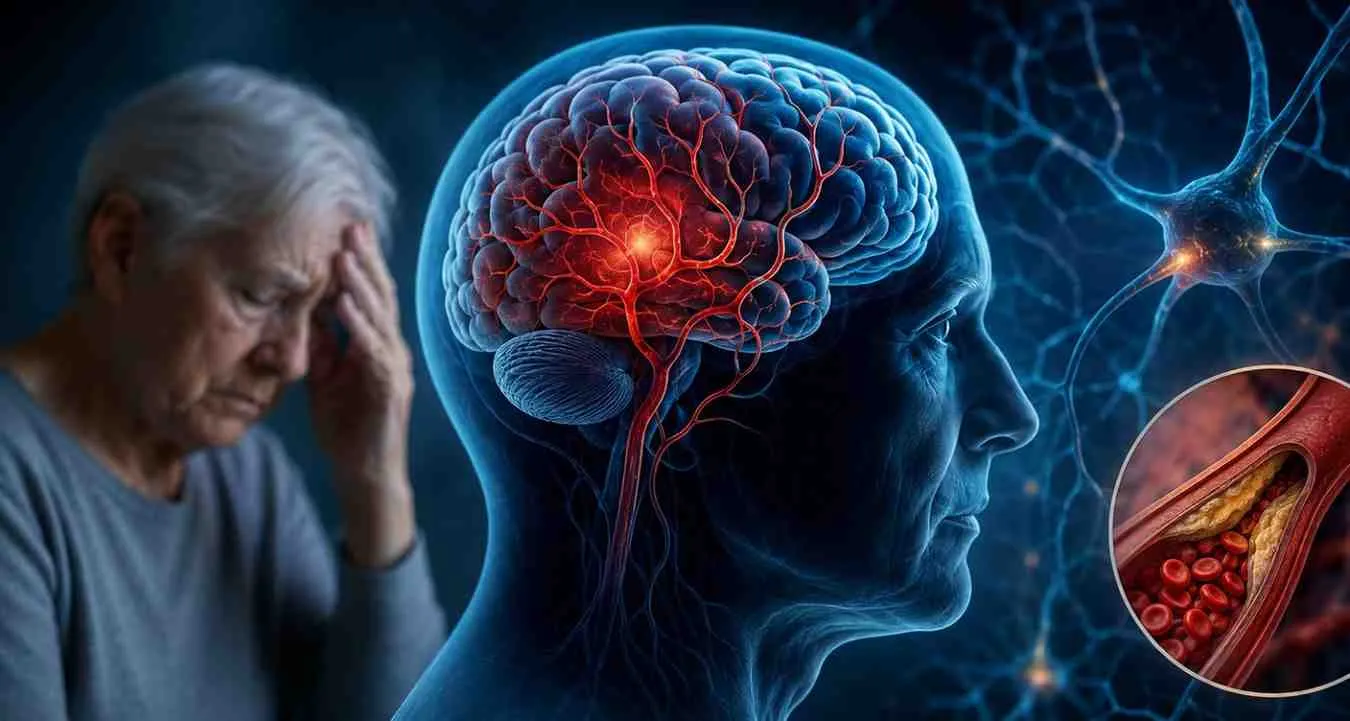

As Mumbai’s population ages, more families are facing the challenges of caring for loved ones with dementia. Memory loss, confusion, behavioural changes, and difficulty performing daily tasks can make independent living increasingly difficult. While many people assume that moving into a dementia care home means giving up independence, the reality is quite different.
Modern dementia care homes focus on preserving a person's abilities for as long as possible. Through personalised care, structured routines, therapeutic activities, and safe environments, seniors are encouraged to maintain their confidence, dignity, and independence.
For families looking for reliable dementia care homes in Mumbai, understanding how these specialised facilities promote independent living can help make informed care decisions.
Understanding Independence in Dementia Care
Independence doesn't necessarily mean living alone. For someone with dementia, independence means:
- Making simple daily choices
- Participating in personal care
- Moving around safely
- Maintaining social relationships
- Continuing hobbies and interests
- Living with dignity and confidence
The goal of professional dementia care is to support these abilities while providing assistance only when needed.
Why Independent Living Becomes Challenging
Dementia affects several cognitive functions, including:
- Memory
- Decision-making
- Problem-solving
- Communication
- Orientation
- Balance and coordination
Without proper supervision, these challenges may lead to:
- Falls
- Missed medications
- Wandering
- Poor nutrition
- Household accidents
- Social isolation
Professional dementia care homes address these issues while helping residents remain as self-sufficient as possible.
Personalised Care Plans Encourage Confidence
Every individual experiences dementia differently.
Professional dementia care homes in Mumbai create personalised care plans based on:
- Stage of dementia
- Physical health
- Mobility
- Daily habits
- Personality
- Medical history
- Emotional needs
Instead of taking over every task, caregivers encourage residents to complete activities independently whenever possible.
This approach helps maintain confidence and slows the decline of daily living skills.
Safe Environments Reduce Dependence
One major reason seniors lose independence is fear of injury.
Modern dementia care homes provide secure environments with:
- Non-slip flooring
- Handrails
- Wide walkways
- Emergency response systems
- Clear room signage
- Memory-friendly layouts
- Secure outdoor spaces
Because residents can move around safely, they remain more active and independent throughout the day.
Structured Daily Routines Improve Memory
Predictable routines reduce confusion and anxiety.
Typical daily schedules include:
- Morning hygiene
- Nutritious meals
- Exercise sessions
- Cognitive activities
- Social interaction
- Rest periods
- Evening relaxation
Repeating these routines helps residents remember tasks more easily and increases their ability to perform them independently.
Cognitive Stimulation Helps Maintain Abilities
Memory-focused activities keep the brain engaged.
These may include:
- Puzzle games
- Memory exercises
- Reading sessions
- Music therapy
- Art therapy
- Storytelling
- Sensory stimulation
Although dementia cannot be reversed, regular cognitive stimulation may slow functional decline and preserve independence for longer.
Physical Exercise Supports Mobility
Physical fitness plays a significant role in independent living.
Many dementia care homes offer:
- Guided walking sessions
- Chair exercises
- Yoga
- Stretching
- Balance training
- Physiotherapy
Maintaining strength and flexibility helps residents continue walking, dressing, and performing daily activities independently.
Occupational Therapy Promotes Daily Living Skills
Occupational therapists focus on practical skills such as:
- Dressing
- Eating
- Grooming
- Toileting
- Cooking simple meals
- Using personal items
Residents are encouraged to participate rather than having caregivers complete every task.
This approach maintains functional independence while reducing frustration.
Nutrition Supports Brain Health
Healthy nutrition is essential for maintaining both physical and cognitive health.
Professional dementia care homes provide:
- Balanced meals
- Hydration monitoring
- Special dietary plans
- Assisted feeding only when necessary
Residents capable of eating independently are encouraged to do so, supporting dignity and self-confidence.
Social Engagement Prevents Isolation
Loneliness often accelerates cognitive decline.
Residents participate in:
- Group games
- Festival celebrations
- Gardening
- Music sessions
- Birthday events
- Family gatherings
- Cultural activities
These interactions help maintain communication skills and emotional wellbeing.
Encouraging Choice Builds Confidence
One of the simplest ways to preserve independence is allowing residents to make choices.
Caregivers encourage decisions about:
- Clothing
- Meals
- Activities
- Daily schedules
- Personal preferences
Even small choices help residents feel valued and maintain a sense of control.
Managing Behaviour Without Restricting Freedom
Dementia may cause:
- Agitation
- Wandering
- Confusion
- Anxiety
Instead of using unnecessary restrictions, trained caregivers employ:
- Calm communication
- Redirection techniques
- Familiar routines
- Therapeutic activities
- Environmental modifications
This enables residents to remain active while staying safe.
Family Involvement Strengthens Independence
Families play a vital role in supporting independence.
Quality dementia care homes encourage:
- Regular visits
- Family counselling
- Care planning meetings
- Progress updates
- Emotional support
Working together ensures residents receive consistent encouragement both inside and outside the care home.
Technology Enhances Safe Independence
Many advanced dementia facilities now incorporate technology such as:
- Medication reminders
- GPS-enabled safety systems
- Motion sensors
- Emergency alert devices
- Digital health monitoring
These innovations improve safety while allowing residents greater freedom within secure environments.
Emotional Wellbeing Matters
Maintaining independence is closely linked to emotional health.
Professional caregivers provide:
- Compassionate support
- Active listening
- Individual attention
- Anxiety management
- Positive reinforcement
When seniors feel emotionally secure, they are more willing to participate in daily activities independently.
Choosing the Right Dementia Care Home in Mumbai
When selecting a facility, families should evaluate:
- Staff experience with dementia care
- Medical support availability
- Personalised care plans
- Safety measures
- Therapy programmes
- Recreational activities
- Family involvement
- Emergency care
- Hygiene standards
- Resident-to-caregiver ratio
Visiting the facility and observing interactions between caregivers and residents can provide valuable insight into the quality of care.
Professional Dementia Care in Mumbai
Families seeking compassionate memory care can benefit from specialised dementia care homes in Mumbai that combine clinical expertise with person-centred support. At Calida Rehabilitation Centre, residents receive comprehensive dementia care in a secure and nurturing environment designed to preserve independence, dignity, and quality of life.
From cognitive therapies and medical supervision to engaging daily activities and family support, every aspect of care is tailored to meet individual needs while helping seniors remain as independent as possible. Learn more about our specialised Dementia Care Homes in Mumbai :
Conclusion
Independent living does not end with a dementia diagnosis. With the right support, safe surroundings, personalised care, and meaningful daily activities, seniors can continue enjoying fulfilling lives while maintaining many of their existing abilities.
Modern dementia care homes in Mumbai are designed to empower residents—not simply care for them. By focusing on dignity, confidence, and person-centred care, these facilities help individuals live with greater comfort, purpose, and independence throughout every stage of dementia.































Sign in to leave a comment.