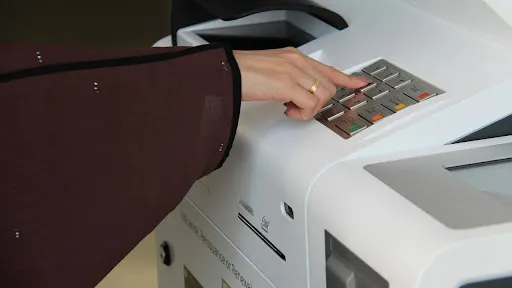

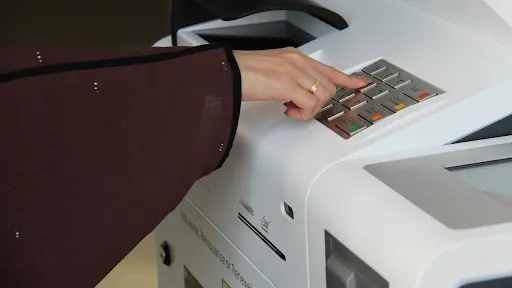
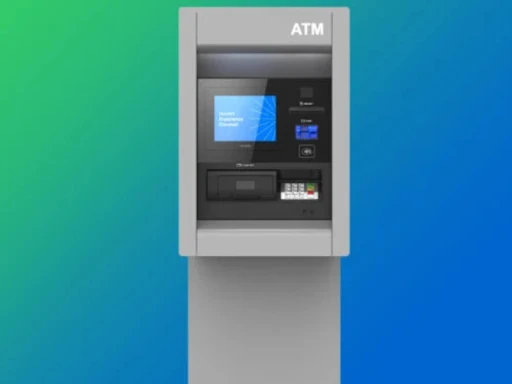
For the average consumer, pulling cash from an automated teller machine is a secondary thought that takes less than a minute. They insert a debit card, punch in a secure personal identification number (PIN), select an amount, and retrieve their currency. Behind the plastic casing of that terminal, however, a sophisticated, lightning-fast digital sequence is occurring. At the very core of this automated infrastructure is atm machine processing, the critical backend technology that allows an isolated terminal to securely connect with global banking networks, verify account balances, and authorize the movement of funds in real time.
The Anatomy of a Cash Automation Journey
To understand why secure transaction networks are so vital, it helps to examine the precise sequence of events that takes place during a standard withdrawal. The moment a user submits a request, the terminal initiates a complex chain of digital handshakes designed to protect consumer data and prevent banking fraud.
Initial Encryption and Packaging
The second a card interacts with the reader, the terminal reads the chip data and packages the request alongside the encrypted PIN block. This packaging relies on complex cryptographic keys to ensure that sensitive financial details remain completely unreadable if intercepted mid-transit.
Routing Through the Secure Gateway
Once the terminal packages the data packet, it sends it immediately to an authorized processing gateway. This gateway acts as a traffic controller, identifying which regional or national debit network, such as Pulse, Star, Plus, or Cirrus, needs to receive the validation request based on the user's banking institution.
The Vital Role of Backend Authorization Systems
Once the transaction packet reaches the cardholder's issuing bank, the financial institution verifies that the account is active, the PIN matches, and sufficient funds exist to cover the withdrawal. The bank then transmits an approval or denial code back along the same digital pipeline.
Without a consistent and reliable atm machine processing operating on your hardware, a terminal is nothing more than an expensive, offline metal box. The processing backend is what turns a static machine into a functional tool by completing the loop between the physical cash vault and the digital ledger of the banking system.
Key Operational Metrics Affected by Network Choice
When independent operators or retail store managers establish a cash terminal program, choosing the right backend processing alignment is critical. Not all network gateways perform at the same level of speed, security, and cost-efficiency.
Maximizing Network Connectivity and Uptime
A high-quality routing provider connects your hardware directly to all major interbank networks. This widespread compatibility guarantees that regardless of what logo is stamped on the customer's plastic card, your terminal can successfully interpret the account and fulfill the transaction without dropping the connection.
Eliminating Hidden Intermediary Fees
Working directly with an established Independent Sales Organization (ISO) for your transaction routing prevents external middlemen from eroding your profit margins. Clear, transparent processing contracts ensure that you retain the maximum possible percentage of your baseline surcharge revenue on every single transaction.
Safeguarding Consumer Data in Modern Retail
As financial fraud techniques become increasingly sophisticated, backend compliance requirements have scaled up dramatically. Modern transaction networks must continuously adhere to stringent security standards to protect vulnerable user information at the point of interaction.
Implementing updated atm machine processing standards protects local businesses from the immense liabilities associated with data breaches. Certified networks integrate advanced security layers, such as real-time terminal health monitoring, secure point-to-point data encryption, and instantaneous fraud detection filters that block suspicious card skimming patterns before they can compromise the main financial ecosystem.
Conclusion
Operating a successful cash automation program requires choosing comprehensive atm services that unify hardware maintenance with seamless, transparent network routing. By establishing a solid foundational framework through a registered processing provider, business owners can easily eliminate transaction downtime, secure their cardholder data, and secure a steady stream of passive surcharge income. Investing in a modern, direct-to-network backend ensures that your automated terminals operate flawlessly around the clock, keeping your customers satisfied and your store's cash flow completely optimized.

























Sign in to leave a comment.