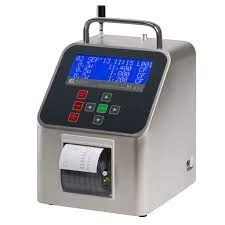

Air quality – an aspect of our environment that is crucial to our well-being yet often overlooked. Enter the world of particle counters, the unsung heroes that allow us to peer into the invisible realm of airborne particles. In this comprehensive guide, we will demystify particle counters, exploring how they work, why they matter, and how they contribute to our understanding of air quality.
What Are Particle Counters?
Unveiling the Mystery: The Basics of Particle Counters
Particle counters are devices designed to measure the concentration of airborne particles in the air. These particles can range from microscopic dust and allergens to larger pollutants. The counting process provides insights into the cleanliness and safety of the air we breathe.
How Do Particle Counters Work?
At their core, particle counters use optical or electrical methods to detect and count particles. The data collected is then categorized based on particle size, allowing for a detailed analysis of the air quality.
Why Air Quality Matters
The Silent Threat: Understanding the Impact of Poor Air Quality
Airborne particles, even those invisible to the naked eye, can have profound effects on health. From respiratory issues to allergies, the quality of the air we breathe directly influences our well-being. Particle counters play a vital role in identifying potential risks.
Beyond Health: The Impact on Indoor Environments
Poor air quality is not limited to outdoor spaces. Indoor environments can harbor pollutants from various sources, including cleaning products, furniture, and even cooking. Particle counters help us assess and improve indoor air quality for a healthier living space.
Applications of Particle Counters
Healthcare Settings: Monitoring Airborne Contaminants
In healthcare facilities, where sterile environments are crucial, particle counters play a pivotal role. They help ensure that the air meets the required standards for surgeries, laboratories, and patient care areas.
Cleanrooms and Manufacturing: Precision in Control
Industries, especially those involved in manufacturing and technology, rely on cleanroom environments. Particle counters assist in maintaining strict cleanliness standards to prevent contamination in sensitive processes.
Environmental Monitoring: Tracking Outdoor Air Quality
Beyond confined spaces, particle counters are used in environmental monitoring. They contribute valuable data for assessing outdoor air quality, helping communities and policymakers address pollution concerns.
Choosing the Right Particle Counter
Consider Your Needs: Tailoring Particle Counters to Your Environment
When selecting a particle counter, it's essential to consider the specific needs of your environment. Different models are designed for various applications, from personal use to industrial settings.
Understanding Particle Size: Why It Matters
Particle counters categorize particles based on size, typically measured in micrometers. Understanding the particle size distribution in your environment is crucial for accurate air quality assessment.
Interpreting Particle Count Data
Decoding the Numbers: What Do Particle Counts Mean?
Particle count data is presented in concentration levels. Understanding what these numbers signify is key to assessing the severity of air quality issues and implementing appropriate measures.
Setting Baseline Levels: Establishing Normalcy
For effective use of particle counters, it's beneficial to establish baseline levels in your environment. This helps in identifying abnormal spikes and taking corrective actions promptly.
Maintaining and Calibrating Particle Counters
Regular Checkups: Ensuring Accuracy Through Calibration
Like any measuring device, particle counters require regular calibration to ensure accurate readings. Establishing a maintenance schedule is essential for reliable and consistent performance.
DIY vs. Professional Maintenance: Making Informed Choices
While some basic maintenance tasks can be performed by users, professional calibration is recommended at regular intervals. This ensures precision in measurements and extends the lifespan of the particle counter.
Conclusion
In conclusion, demystifying particle counters opens a window into the world of air quality assessment. These devices empower individuals, industries, and healthcare professionals to make informed decisions about their environments. By understanding how particle counters work and their applications, we can actively contribute to creating cleaner and safer spaces for everyone.
Ready to transform your space? Experience the power of clean air with Applied Physics USA's innovative Disinfectant Fogger. Take control of your environment and safeguard your well-being. Click to explore our cutting-edge solutions for a healthier tomorrow.
FAQs (Frequently Asked Questions)
Can particle counters detect specific types of particles, such as allergens or pollutants?Particle counters can detect and categorize particles based on size, but they do not identify specific types. Additional analysis may be required to determine the composition of particles.
How often should I use a particle counter in my home?For routine monitoring, using a particle counter monthly can provide insights into changes in air quality. However, more frequent usage may be necessary in specific circumstances, such as after renovations or during allergy seasons.
Are there portable particle counters for personal use?Yes, there are portable particle counters designed for personal use. These handheld devices are convenient for individuals who want to assess the air quality in their immediate surroundings.
Can particle counters detect viruses or bacteria in the air?Particle counters are not designed to identify specific microorganisms. They focus on measuring particle concentrations based on size. Specialized equipment is required for the detection of viruses and bacteria.
Are there guidelines for interpreting particle count data for indoor environments?Various organizations provide guidelines for interpreting particle count data, especially in healthcare and cleanroom settings. It's advisable to refer to industry-specific standards or consult with experts for accurate interpretation.







Sign in to leave a comment.