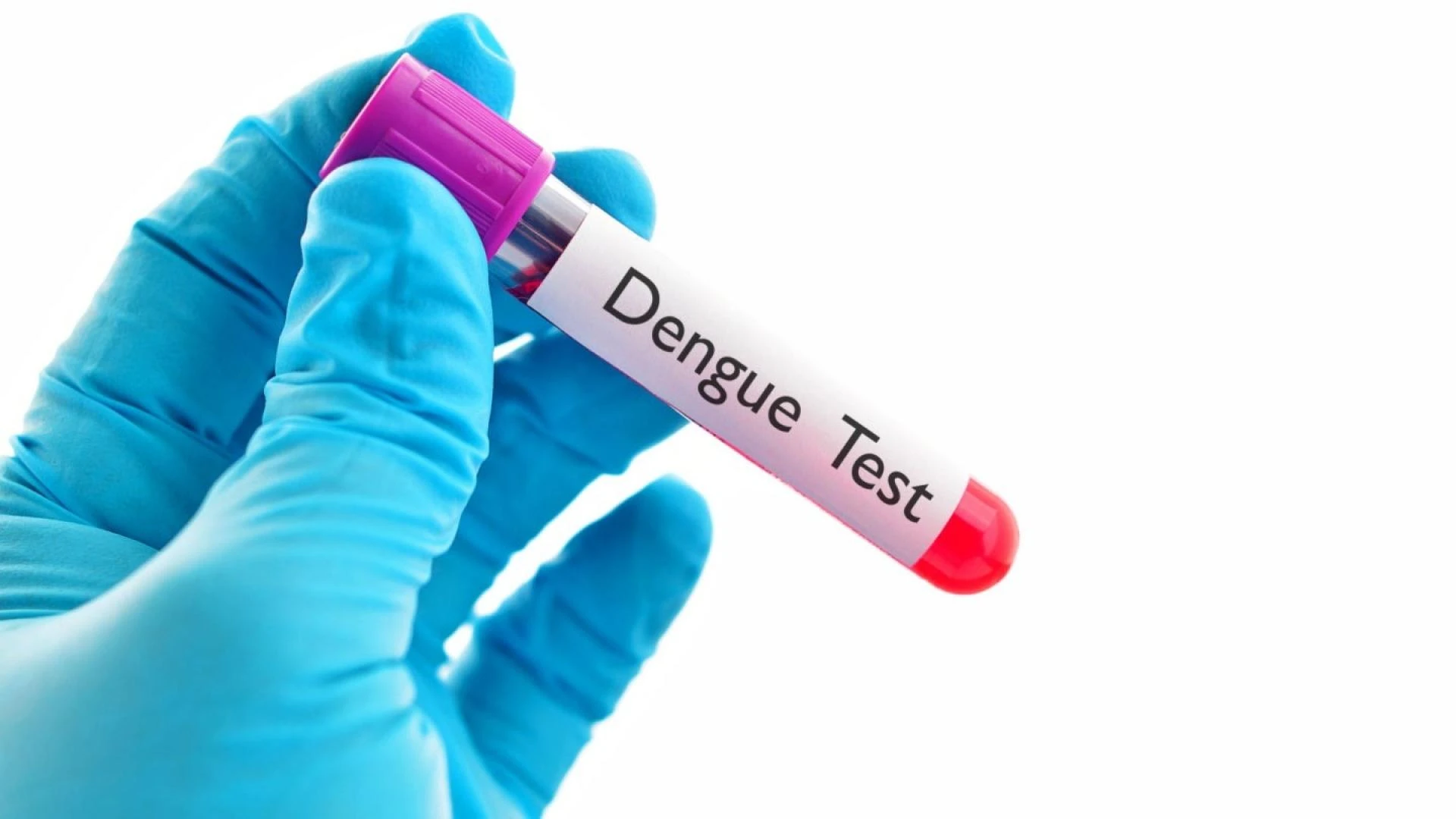

Dengue fever, a mosquito-borne viral infection, poses a significant health risk in tropical and subtropical regions worldwide. Timely diagnosis through a dengue test is crucial for effective management and prevention of complications. In this comprehensive guide, we\'ll explore the importance of dengue testing, symptoms to watch for, and steps for diagnosis and treatment.
Understanding Dengue Fever:
Dengue fever is caused by the dengue virus, transmitted primarily by Aedes mosquitoes. Symptoms include high fever, severe headache, joint and muscle pain, rash, and in severe cases, bleeding tendencies. Given the similarity of symptoms with other febrile illnesses, accurate diagnosis through a dengue test is paramount for appropriate management.
Importance of Dengue Test:
- Early Detection: A dengue test enables healthcare providers to diagnose the infection promptly, facilitating timely treatment initiation.
- Prevention of Complications: Timely diagnosis and proper medical care can prevent complications associated with severe dengue, such as dengue hemorrhagic fever and dengue shock syndrome.
- Public Health Surveillance: Dengue testing plays a vital role in surveillance efforts aimed at monitoring disease prevalence and implementing preventive measures.
Types of Dengue Tests:
- NS1 Antigen Test: This rapid diagnostic test detects the dengue virus antigen in the blood during the acute phase of infection.
- Dengue IgM and IgG Antibody Tests: These tests identify dengue-specific antibodies produced by the immune system. IgM antibodies indicate recent infection, while IgG antibodies suggest past exposure.
Diagnosis Process:
If you experience symptoms suggestive of dengue fever, seek medical attention promptly. Diagnosis involves clinical evaluation, symptom assessment, and laboratory tests, including the dengue NS1 antigen test and antibody tests.
Treatment and Management:
Currently, there is no specific antiviral treatment for dengue fever. Treatment focuses on symptom relief, hydration, and preventing complications. Severe cases may require hospitalization for close monitoring and supportive care, including intravenous fluids and blood transfusions if necessary.
Prevention Strategies:
Preventing mosquito bites is key to reducing the risk of dengue fever. This includes using mosquito repellents, wearing protective clothing, and eliminating breeding sites around homes and communities.
Conclusion:
A timely dengue test is essential for accurate diagnosis and effective management of dengue fever. If you experience symptoms or suspect dengue infection, consult a healthcare provider promptly. By raising awareness about the importance of early diagnosis and prevention, we can mitigate the impact of dengue fever and safeguard public health.











Sign in to leave a comment.