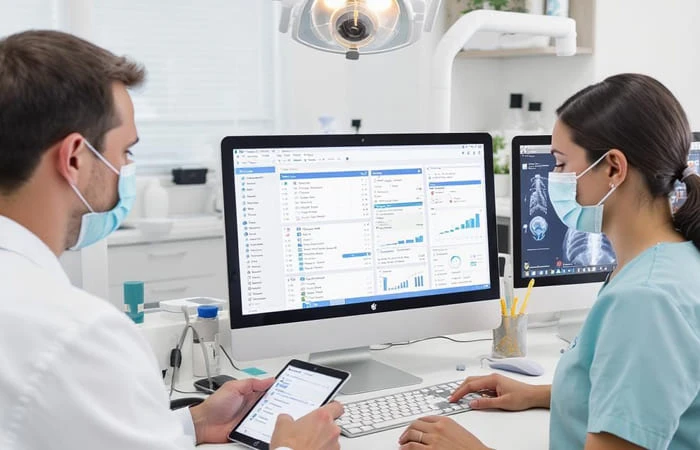

Choosing the right software is a critical decision for any healthcare practice. With countless management tools available in the market, many dental professionals often wonder: should you invest in specialized Dental Clinic Software, or will a generic practice management tool be enough?
At first glance, both systems may appear similar—they manage appointments, billing, and patient records. However, when it comes to meeting the unique clinical and operational needs of dental practices, the differences become significant.
Modern solutions like those offered by Grafite Tech are specifically designed for dental workflows, ensuring better efficiency, compliance, and patient experience. In this blog, we’ll explore the key differences between Dental Clinic Software and generic practice management tools to help you make an informed decision.
Understanding Dental Clinic Software
Dental Clinic Software is purpose-built to support the clinical, administrative, and financial workflows of dental practices. It integrates tools that cater specifically to dentistry, such as:
- Digital dental charting (odontograms)
- Imaging and X-ray integration
- Treatment planning modules
- Insurance processing tailored for dental procedures
- Periodontal charting
- Procedure-based billing codes
These features are designed around dental-specific requirements, ensuring seamless workflow integration between clinical care and administrative management.
What Are Generic Practice Management Tools?
Generic practice management tools are broad healthcare software systems created to serve multiple medical specialties. They typically include:
- Basic appointment scheduling
- Patient record management
- Billing and invoicing
- Reporting dashboards
While these systems can handle general medical operations, they may lack specialized features required for dental treatments and workflows.
Key Differences Between Dental Clinic Software and Generic Tools
1. Clinical Specialization
The most significant difference lies in clinical capabilities.
Dental Clinic Software includes specialized tools like:
- Tooth-specific charting
- Dental imaging integration
- Orthodontic tracking
- Multi-phase treatment planning
Generic tools, on the other hand, are not designed for procedure-based dental workflows. Dentists may need workarounds or additional integrations, leading to inefficiencies.
For practices focused on delivering high-quality dental care, specialized functionality is a major advantage.
2. Workflow Efficiency
Dental clinics follow a structured workflow that includes consultation, examination, imaging, diagnosis, treatment planning, and follow-up. Dental Clinic Software is built to support this exact process.
Generic systems may support patient visits but often lack:
- Automated dental reminders
- Procedure-specific scheduling
- Integrated treatment case management
This can slow down operations and create additional administrative burden.
3. Billing and Insurance Processing
Dental billing differs significantly from general medical billing. It involves procedure-based codes, treatment packages, and complex insurance policies.
Dental Clinic Software typically provides:
- Dental-specific billing codes
- Automated insurance claim generation
- Pre-authorization tracking
- Treatment cost breakdowns
Generic tools may not fully support dental coding systems, increasing the risk of claim rejections and delayed reimbursements.
4. Patient Experience Features
In today’s digital-first environment, patient expectations are high. Dental Clinic Software often includes features tailored for dental patient engagement, such as:
- Visual treatment plans
- Before-and-after image presentations
- Preventive care reminders
- Dental health education tools
Generic practice management systems may offer communication features but lack dental-focused patient engagement tools.
A better patient experience directly contributes to improved retention and referrals.
5. Scalability for Dental Growth
As dental practices expand, their software must support:
- Multi-chair management
- Multi-location operations
- Role-based access control
- Integrated analytics for dental KPIs
Dental Clinic Software is structured around these needs, offering dashboards that track dental-specific metrics like treatment acceptance rates and hygiene recall compliance.
Generic systems may provide broad analytics but lack dental-focused insights.
6. Integration with Dental Equipment
Modern dental clinics rely heavily on digital imaging systems, intraoral scanners, and radiography tools.
Dental Clinic Software often integrates directly with:
- Digital X-ray machines
- Imaging software
- CAD/CAM system
- Lab management systems
Generic tools typically require third-party integrations or may not support dental imaging systems at all.
7. Compliance and Data Security
Both systems prioritize data security, but Dental Clinic Software is designed to meet healthcare compliance requirements relevant to dental practices.
Secure data storage, encryption, audit logs, and controlled access are built into modern platforms. This ensures patient confidentiality while protecting clinics from regulatory risks.
When Is Generic Practice Management Software Enough?
For very small clinics with minimal specialization or newly established practices with limited budgets, a generic tool may handle basic scheduling and billing.
However, as patient volume increases and services diversify, the limitations of generic systems become apparent. Clinics often end up switching to specialized Dental Clinic Software later, resulting in migration costs and operational disruption.
Why Specialized Dental Clinic Software Is a Strategic Investment
Investing in Dental Clinic Software provides long-term advantages:
- Improved operational efficiency
- Reduced administrative errors
- Enhanced patient engagement
- Better treatment case management
- Higher revenue optimization
- Scalable infrastructure for growth
Specialized software aligns with your clinic’s workflow rather than forcing your team to adapt to a generic system.
Key Factors to Consider Before Choosing
When comparing options, evaluate:
- Dental-specific features
- Integration capabilities
- User interface and ease of use
- Cloud accessibility
- Reporting and analytics
- Vendor support and training
Selecting a solution tailored to dental practice management ensures smoother implementation and stronger ROI.
Conclusion
While generic practice management tools offer basic functionality, they often fall short in meeting the specialized needs of dental clinics. Dental Clinic Software provides purpose-built features designed specifically for dental workflows, patient care, billing systems, and growth strategies.
For dental professionals seeking long-term scalability, operational efficiency, and enhanced patient experience, investing in specialized Dental Clinic Software is a smarter and more sustainable choice.
Modern platforms like Grafite Tech empower dental practices to streamline operations, improve patient satisfaction, and drive sustainable growth in an increasingly competitive healthcare landscape.
Choosing the right software isn’t just a technical decision—it’s a strategic one that shapes the future of your dental practice.




























Sign in to leave a comment.