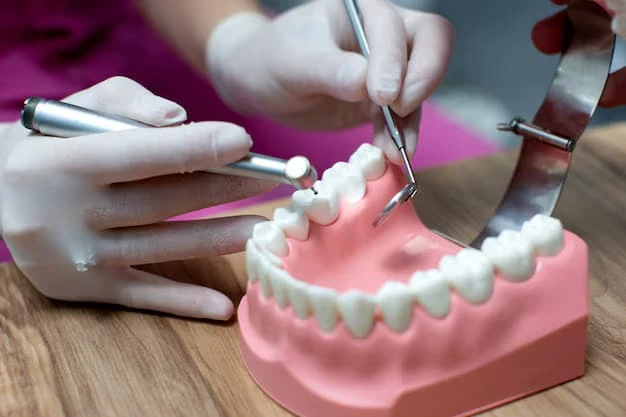

Dental crowns are a widely used restorative dental solution designed to protect, strengthen, and enhance the appearance of damaged teeth. For individuals researching dental crowns Powder Springs, understanding the factors that influence cost, durability, and overall value is essential. Dental crowns not only restore function but also contribute significantly to long term oral health when properly selected and maintained. This article provides a comprehensive and informative guide to dental crowns, focusing on materials, procedures, costs, longevity, and care considerations relevant to the Powder Springs area.
Understanding Dental Crowns
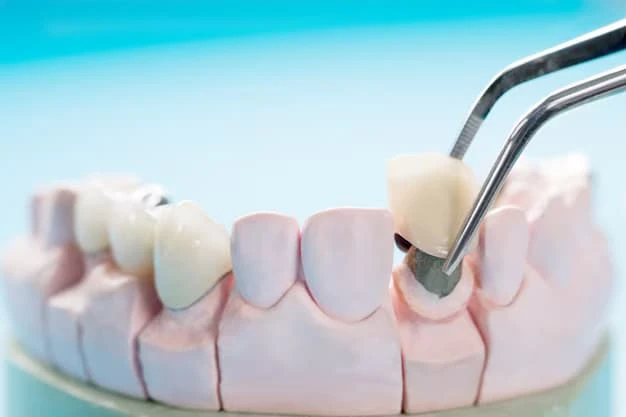
Dental crowns are custom made caps that completely cover a tooth. They are used when a tooth is too damaged or weakened to be restored with a simple filling. Crowns restore the tooth’s shape, size, strength, and appearance, allowing patients to chew and smile with confidence.
What Dental Crowns Are Used For
Dental crowns serve multiple purposes in restorative and cosmetic dentistry. They are often recommended for teeth with extensive decay, fractures, or wear. Crowns are also used to protect teeth after root canal treatment, anchor dental bridges, or cover dental implants. In cosmetic cases, crowns can improve the color, shape, or alignment of teeth.
How Dental Crowns Work
The crown fits over the prepared tooth like a protective shell. Before placement, the dentist reshapes the tooth to ensure a proper fit. An impression is taken and sent to a dental laboratory where the crown is fabricated. Once ready, the crown is cemented securely onto the tooth, restoring full function.
Types of Dental Crowns Available
The type of dental crown selected plays a major role in cost, appearance, and longevity. Several materials are commonly used, each offering unique benefits.
Porcelain Crowns
Porcelain crowns are popular for their natural appearance. They closely mimic the color and translucency of natural teeth, making them ideal for front teeth. Porcelain crowns are resistant to staining but may be less durable than other materials when subjected to heavy biting forces.
Ceramic Crowns
Ceramic crowns are similar to porcelain and are often chosen for patients with metal sensitivities. They provide excellent aesthetics and are suitable for both front and back teeth. Advances in dental technology have improved their strength and durability.
Metal Crowns
Metal crowns are made from alloys that may include gold or other metals. They are extremely durable and resistant to wear. Although they are less visually appealing, they are often used for molars where chewing forces are strongest and aesthetics are less critical.
Porcelain Fused to Metal Crowns
These crowns combine the strength of metal with the appearance of porcelain. They offer a balance between durability and aesthetics. Over time, the metal edge may become visible near the gum line, which can affect appearance.
Cost Factors for Dental Crowns in Powder Springs
The cost of dental crowns can vary widely based on several factors. Understanding these elements helps patients make informed decisions.
Material Selection
The choice of material is one of the most significant cost factors. Porcelain and ceramic crowns typically cost more than metal options due to their aesthetic benefits and fabrication process.
Complexity of the Procedure
Teeth that require additional preparation, such as root canal treatment or buildup due to extensive damage, can increase the overall cost. The complexity of the case influences the time and resources required.
Dental Laboratory Fees
Crowns are custom made in dental laboratories. The quality of materials and craftsmanship can affect the price. High quality laboratories often produce crowns with better fit and longevity.
Geographic Location
Dental costs can vary by location. Local economic factors, demand for dental services, and overhead expenses contribute to pricing differences in different communities.
Insurance Coverage
Dental insurance may cover a portion of the cost, especially if the crown is deemed medically necessary. Coverage levels vary by plan, and patients are encouraged to review their benefits.
Longevity of Dental Crowns
Dental crowns are designed to be a long term solution, but their lifespan depends on several factors including material, oral hygiene, and lifestyle habits.
Average Lifespan of Dental Crowns
On average, dental crowns can last between ten and fifteen years. Some crowns may last even longer with excellent care. Metal crowns often have the longest lifespan, while porcelain crowns may require replacement sooner due to chipping or wear.
Factors That Affect Crown Durability
Daily habits such as teeth grinding, chewing ice, or using teeth as tools can shorten the lifespan of a crown. Proper oral hygiene and regular dental visits play a crucial role in maintaining crown integrity.
Signs a Crown May Need Replacement
Common signs include discomfort, looseness, visible cracks, or gum irritation around the crowned tooth. Changes in bite alignment or persistent sensitivity may also indicate the need for evaluation.
The Dental Crown Procedure Explained
Understanding the process helps patients feel more comfortable and prepared for treatment.
Initial Consultation and Examination
The dentist evaluates the tooth and surrounding structures using visual examination and imaging. Treatment options are discussed, and a crown is recommended if appropriate.
Tooth Preparation
The tooth is reshaped to allow space for the crown. Any decay or damage is removed. In some cases, a buildup is performed to provide adequate support.
Impression and Temporary Crown
An impression of the prepared tooth is taken to create a custom crown. A temporary crown is placed to protect the tooth while the permanent crown is being fabricated.
Final Placement
Once the permanent crown is ready, the temporary crown is removed. The new crown is checked for fit, color, and bite alignment before being cemented into place.
Benefits of Dental Crowns
Dental crowns offer numerous advantages beyond restoring damaged teeth.
Improved Function
Crowns restore the ability to chew and speak properly. They distribute biting forces evenly, reducing strain on surrounding teeth.
Enhanced Appearance
Crowns improve the look of damaged or discolored teeth, contributing to a more confident smile.
Protection of Natural Tooth Structure
By covering and reinforcing a weakened tooth, crowns help prevent further damage and potential tooth loss.
Caring for Dental Crowns
Proper care is essential to maximize the lifespan of dental crowns.
Daily Oral Hygiene Practices
Brushing twice daily with fluoride toothpaste and flossing around the crown helps prevent decay at the gum line. Antibacterial mouth rinses can provide additional protection.
Regular Dental Checkups
Routine dental visits allow early detection of potential issues. Professional cleanings help maintain healthy gums and crown surfaces.
Lifestyle Considerations
Avoiding hard foods and managing habits like teeth grinding can significantly extend the life of a crown. Night guards may be recommended for patients who grind their teeth during sleep.
Choosing the Right Dental Crown Option
Selecting the best crown involves balancing aesthetics, durability, and cost.
Personal Needs and Preferences
Factors such as tooth location, bite strength, and cosmetic goals influence the choice of crown material.
Professional Guidance
A qualified dental professional provides recommendations based on clinical evaluation and patient needs. Open communication ensures the selected option aligns with long term oral health goals.
Conclusion
Dental crowns remain one of the most reliable and versatile restorative dental treatments available today. By understanding the types, costs, and longevity of crowns, individuals can make informed decisions that support both oral health and overall well being. Proper care, regular dental visits, and thoughtful material selection contribute to lasting results. For those seeking trusted guidance and quality care in the Powder Springs area, Johnson Family dentistry is committed to helping patients achieve strong, healthy, and confident smiles.
























Sign in to leave a comment.