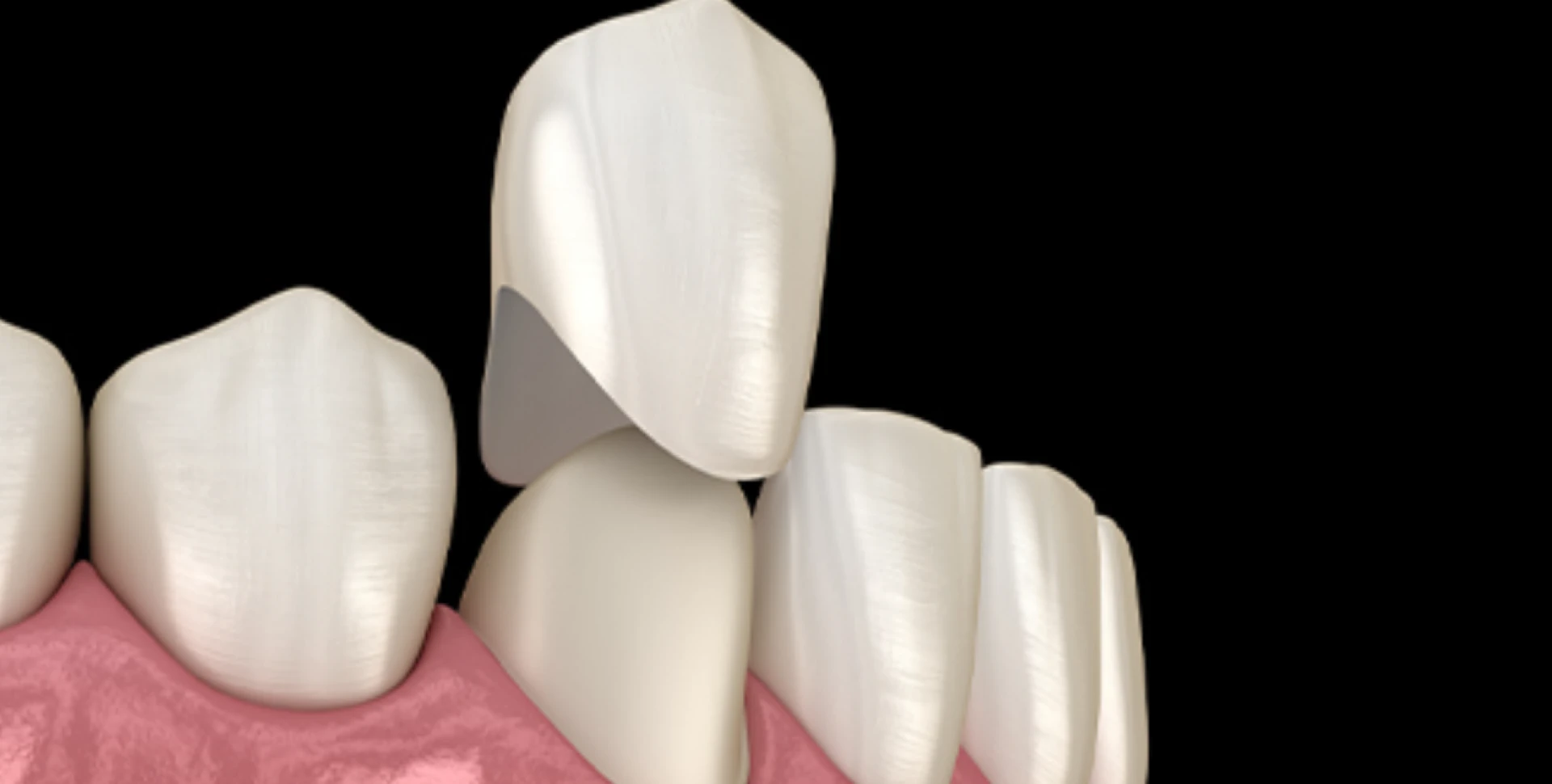

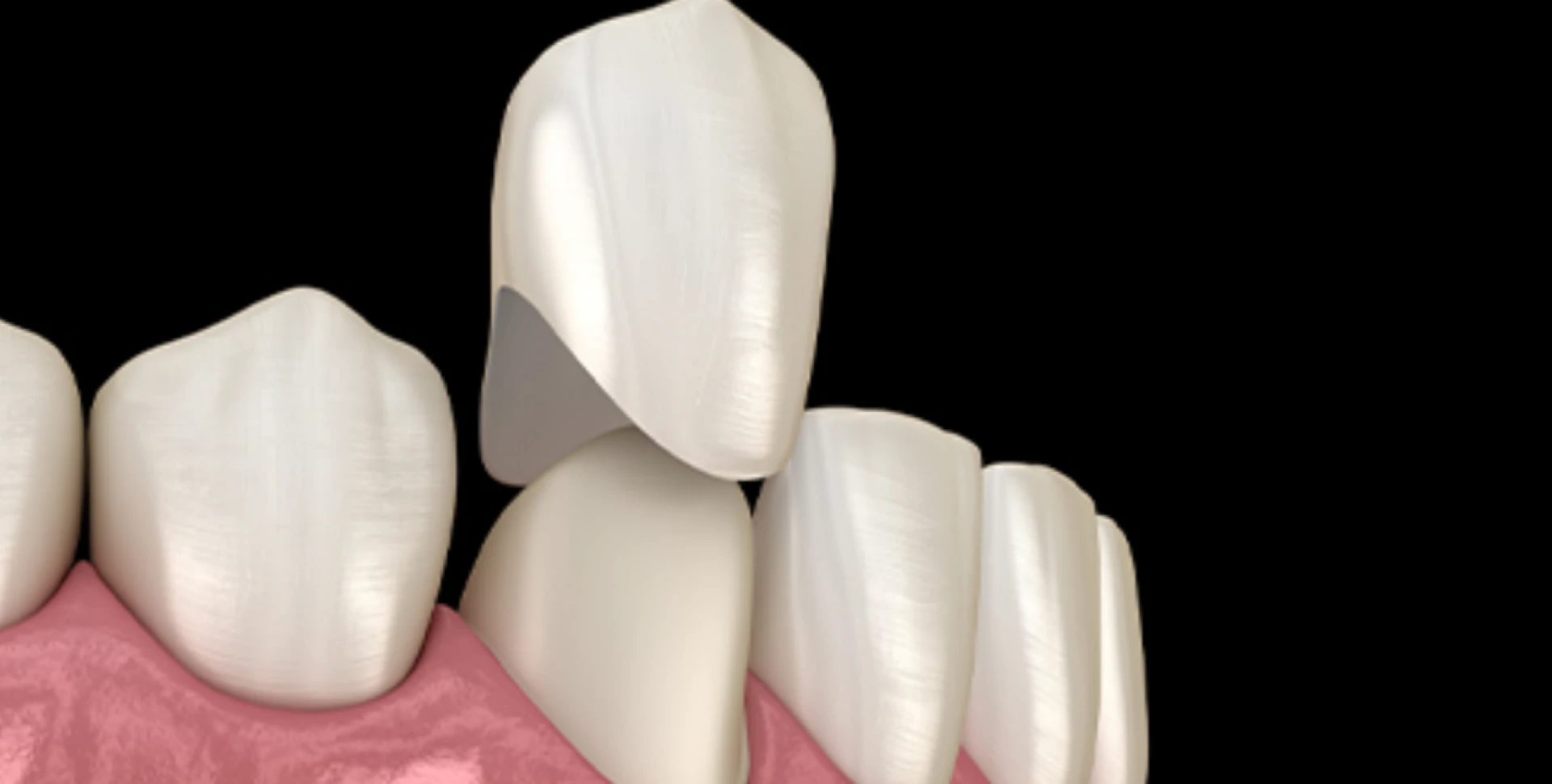
A dental crown — often called a “cap” — is a custom-made cover placed over a damaged, weakened, or cosmetically imperfect tooth. It fully encases the visible part of the tooth above the gum line, restoring its shape, size, strength, and appearance. Because of this complete protection, crowns are one of the most versatile and widely used treatments in dentistry. Whether a tooth is cracked, heavily decayed, discolored, or has undergone a root canal, a crown can offer a durable and natural-looking solution.
When Your Dentist Recommends a Crown
Dentists suggest crowns for many reasons, especially when a tooth cannot be repaired using a simple filling. The most common situations include:
1. Protecting Weak or Damaged Teeth
A tooth that is cracked, fractured, or severely decayed becomes structurally weak. A crown encases and reinforces the tooth, preventing further breakage and preserving the remaining tooth structure.
2. After Root Canal Treatment
Teeth that undergo root canal therapy often become brittle. Placing a crown restores their strength and allows them to function normally during chewing and biting.
3. Supporting Bridges or Implants
Crowns serve as anchors for dental bridges and function as the visible replacement tooth in implant treatments — making them essential in full-mouth restorations.
4. Cosmetic Enhancement
Crowns can instantly improve the appearance of teeth that are discolored, misshapen, worn down, or uneven. They help create a uniform, natural-looking smile.
In many cases, a crown can save a tooth that would otherwise require extraction, giving it renewed strength and longevity.
Benefits of Dental Crowns
1. Strength and Protection
Crowns dramatically strengthen compromised teeth by distributing chewing forces evenly. This reduces the risk of cracks and fractures and makes daily functions like eating and speaking more comfortable.
2. Long-Lasting Durability
Modern crowns — whether metal, ceramic, PFM, or zirconia — are designed to last for many years. With proper care, they can remain functional and attractive for a decade or more.
3. Restored Functionality
Once crowned, a tooth typically regains full function. You can chew normally, speak clearly, and enjoy a comfortable bite without worrying about sensitivity or damage.
4. Natural-Looking Aesthetics
Crowns are customized to match the color, size, and contour of your natural teeth. This makes them ideal for restoring front teeth or enhancing your overall smile.
5. Versatile Uses
From repairing severely damaged teeth to helping restore missing teeth, crowns offer solutions for multiple dental issues, making them one of the most reliable dental treatments available.
Types of Crowns
Different materials are used for crowns, each with its advantages:
- Metal Crowns: Extremely strong and ideal for molars that endure heavy chewing, though not as aesthetic.
- Porcelain-Fused-to-Metal (PFM): Combines strength with a tooth-colored appearance, suitable for both front and back teeth.
- All-Ceramic or Zirconia: Highly aesthetic, natural-looking, and metal-free, often preferred for visible areas.
- Resin or Temporary Crowns: Used as short-term solutions while the permanent crown is being fabricated.
Your dentist will help choose the right material based on your tooth’s location, function, and aesthetic needs.
What to Expect During Crown Treatment
Placing a crown typically involves reshaping the tooth to create space for the cap. After shaping, an impression is taken, and a custom crown is made. A temporary crown may be placed until the permanent one is ready. Once fitted, the crown is cemented securely for long-term use.
Even after crown placement, good oral hygiene is essential to prevent decay around the tooth’s margins. Regular brushing, flossing, and dental check-ups help ensure your crown remains in excellent condition.
Final Thoughts
Dental crowns play a vital role in restoring and protecting natural teeth. They strengthen weakened teeth, revive function after major dental work, and enhance the overall appearance of your smile. Whether you have a broken tooth, a root-canal-treated tooth, or a cosmetic concern, a well-made crown can provide long-term comfort, durability, and confidence.


























Sign in to leave a comment.