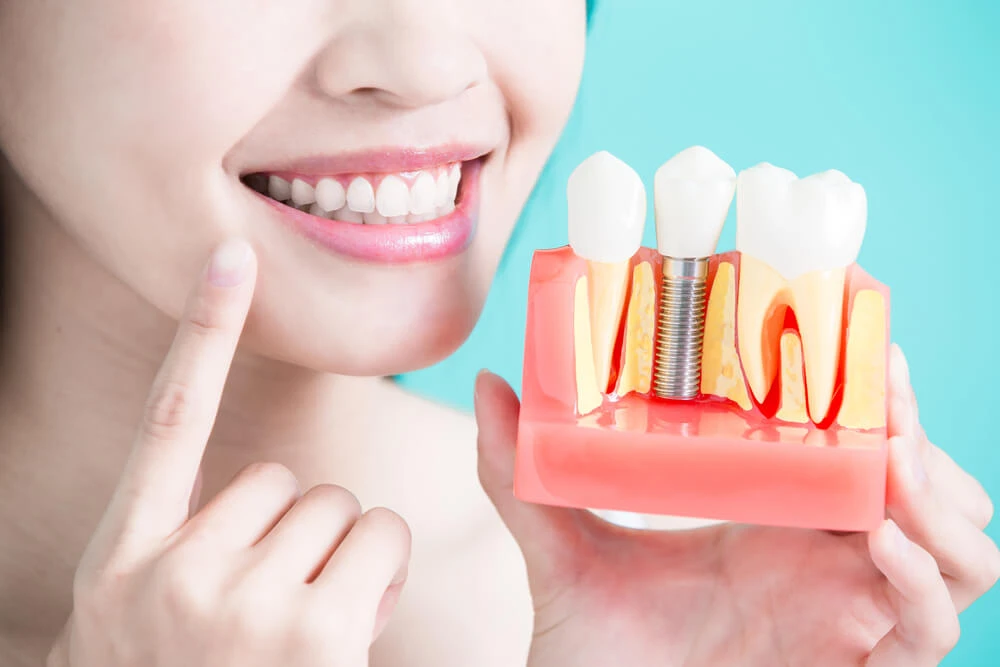

Dental implants have revolutionized tooth replacement, providing a stable and natural-looking alternative to missing teeth. As technology advances, regenerative medicine and tissue engineering integration are opening new doors for improving dental implant outcomes. This innovative approach focuses on enhancing the healing process and regenerating tissues to support the success of dental implants. For those seeking a full mouth implant in Nerul, these advancements offer promising solutions for achieving optimal results. In this blog, we\'ll explore how regenerative medicine and tissue engineering transform dental implants and what they mean for patients seeking the best outcomes.
Understanding Dental Implants
Dental implants are artificial tooth roots made of biocompatible materials, usually titanium, surgically placed into the jawbone. They are a foundation for attaching crowns, bridges, or dentures, offering a functional and aesthetically pleasing solution for missing teeth. The success of dental implants largely depends on integrating the implant with the surrounding bone and tissues, a process known as osseointegration.
The Role of Regenerative Medicine in Dental Implants
Regenerative medicine focuses on repairing or replacing damaged tissues and organs using cell therapy, gene therapy, and tissue engineering techniques. In dental implants, regenerative medicine aims to enhance the healing process and support the regeneration of bone and soft tissues around the implant. This approach can address some of the limitations and challenges of traditional dental implant procedures.
Tissue Engineering Solutions for Dental Implants
Bone Regeneration
One critical factor for successful dental implants is the availability and quality of the jawbone. Sometimes, patients may have insufficient bone volume or density due to bone loss or other conditions. Tissue engineering offers solutions for bone regeneration through the use of scaffold materials and growth factors. Scaffolds are designed to provide a structure for new bone formation, while growth factors stimulate bone growth and healing. This approach can improve dental implants\' success by ensuring adequate bone to support the implant.
Soft Tissue Regeneration
In addition to bone regeneration, soft tissue health is essential for the success of dental implants. Healthy gums and surrounding tissues provide support and protection for the implant. Tissue engineering techniques can help regenerate soft tissues using biomaterials and cell-based therapies. For example, collagen-based scaffolds can support gum tissue regeneration, while stem cell therapy may help repair damaged tissues and promote healing.
Cell Therapy
Cell therapy involves using cells to repair or regenerate damaged tissues. In dental implant procedures, stem cells often promote bone and soft tissue regeneration. These cells can be harvested from the patient’s body or other tissue types. Once introduced to the implant site, stem cells can differentiate into the necessary tissue types and support healing. This personalized approach enhances the integration of the implant and improves overall treatment outcomes.
Growth Factors
Growth factors are naturally occurring proteins crucial in cell growth, differentiation, and tissue repair. In regenerative medicine, growth factors can be applied to the implant site to accelerate healing and enhance tissue regeneration. For example, Platelet-Derived Growth Factor (PDGF) and Bone Morphogenetic Proteins (BMPs) are commonly used to promote bone growth and improve the integration of dental implants.
Bioactive Coatings
Bioactive coatings are specialized materials applied to the surface of dental implants to enhance their interaction with the surrounding tissues. These coatings can contain bioactive compounds, such as hydroxyapatite or calcium phosphate, that promote bone growth and osseointegration. By improving the implant\'s surface properties, bioactive coatings help achieve better integration with the jawbone and reduce the risk of implant failure.
Benefits of Regenerative Medicine in Dental Implants
The integration of regenerative medicine and tissue engineering offers several benefits for dental implant procedures:
- Enhanced Healing: Regenerative techniques can accelerate healing, reducing recovery time and improving patient comfort.
- Improved Success Rates: Regenerative medicine enhances the overall success rates of dental implants by addressing bone and soft tissue deficiencies.
- Personalized Treatment: Advanced techniques allow customized treatment plans based on the patient’s needs and tissue conditions.
- Reduced Complications: Regenerative approaches can minimize complications and improve the longevity of dental implants by promoting healthier tissue integration.
Real-World Applications
Several advancements in regenerative medicine and tissue engineering are already changing dental implant procedures. For instance, some dental practices use bone grafts and growth factors to enhance bone regeneration before implant placement. Additionally, stem cell therapies and bioactive coatings are becoming more common, offering patients improved outcomes and faster recovery times.
The Future of Dental Implants with Regenerative Medicine
The future of dental implants is promising with ongoing advancements in regenerative medicine. Researchers continually explore new materials, techniques, and therapies to further enhance tissue regeneration and implant success. Future innovations may include more sophisticated biomaterials, advanced stem cell applications, and improved growth factor delivery systems. These developments will contribute to even better outcomes for patients seeking dental implants.
Conclusion
Regenerative medicine and tissue engineering are transforming the field of dental implants by offering innovative solutions for enhancing bone and soft tissue regeneration. Techniques like bone regeneration, soft tissue repair, cell therapy, and growth factor application improve dental implants\' success and longevity. As research and technology evolve, patients can look forward to more effective and personalized treatments that ensure optimal results and a healthier, more beautiful smile. If you’re considering dental implants, regenerative medicine offers a promising path to achieving the best possible outcome for your oral health.











Sign in to leave a comment.