
While tooth loss becomes more common with age, it doesn't mean seniors have to settle for removable dentures or live with gaps in their smiles.
Advances in modern dentistry have made dental implants a reliable and long-lasting tooth replacement option for many older adults.
Age alone is no longer considered a barrier to implant treatment. Instead, dentists evaluate overall health, bone quality, oral health, and individual treatment goals to determine whether implants are the right solution.
If you're considering dental implants in Fuquay Varina, understanding today's treatment considerations can help you make an informed decision about restoring your smile.
Are Seniors Too Old for Dental Implants?
One of the biggest misconceptions about dental implants is that they have an upper age limit.
In reality, there is no specific age at which someone becomes "too old" for implant treatment. Many patients in their 60s, 70s, and even 80s successfully receive dental implants and enjoy long-lasting results.
What matters most is not your age but factors such as:
- Overall health.
- Gum health.
- Jawbone condition.
- Healing ability.
- Lifestyle habits.
A comprehensive dental examination helps determine whether implants are an appropriate option based on your individual circumstances.
Why Tooth Replacement Is Especially Important for Seniors
Missing teeth can have a greater impact as we age.
Without replacement, the jawbone gradually loses density because it no longer receives stimulation from the missing tooth root. Over time, this bone loss can affect facial appearance, chewing ability, and the stability of remaining teeth.
Replacing missing teeth helps support:
- Comfortable chewing.
- Clear speech.
- Jawbone preservation.
- Facial structure.
- Confidence when smiling.
- Overall oral function.
Dental implants replace both the visible tooth and its root, helping maintain the health of the surrounding bone.
Benefits of Dental Implants for Older Adults
Modern dental implants offer several advantages compared to traditional tooth replacement options.
Many seniors choose implants because they:
- Feel stable during eating and speaking.
- Look like natural teeth.
- Help preserve jawbone density.
- Do not rely on neighbouring teeth for support.
- Can improve overall comfort.
- Are designed for long-term durability with proper care.
For many patients, implants provide greater confidence in everyday activities than removable dentures.
Your Overall Health Matters More Than Your Age
Before recommending dental implants, your dentist will perform a thorough evaluation of your overall health.
Medical conditions do not automatically prevent implant treatment, but they may influence treatment planning and healing.
Your dentist will review factors such as:
- Diabetes management.
- Heart health.
- Osteoporosis.
- Autoimmune conditions.
- Current medications.
- Smoking history.
Working closely with your physician when necessary helps ensure treatment is planned safely.
Bone Quality Is Carefully Evaluated
Successful implants require sufficient jawbone to support the implant.
Because bone naturally shrinks after tooth loss, some seniors may experience reduced bone volume.
Fortunately, modern diagnostic imaging allows dentists to accurately assess bone levels before treatment.
If additional support is needed, procedures such as bone grafting may help create a stronger foundation for implant placement.
Many patients who were once considered unsuitable candidates can now receive implants thanks to advances in bone regeneration techniques.
Modern Imaging Improves Treatment Planning
Technology has transformed implant dentistry.
Today's dental practices often use advanced 3D imaging to evaluate the jaw, surrounding structures, and bone density with exceptional precision.
This technology helps dentists:
- Plan implant positioning.
- Assess bone availability.
- Avoid important anatomical structures.
- Improve surgical accuracy.
- Develop personalized treatment plans.
Careful planning contributes to more predictable outcomes and smoother treatment experiences.
Dental Implants Can Replace One or Multiple Teeth
Every patient's needs are different.
Modern implant dentistry offers several treatment options depending on how many teeth are missing.
These may include:
Single Tooth Implants
Ideal for replacing one missing tooth without affecting neighbouring teeth.
Implant-Supported Bridges
Suitable when several teeth are missing in the same area.
Implant-Supported Dentures
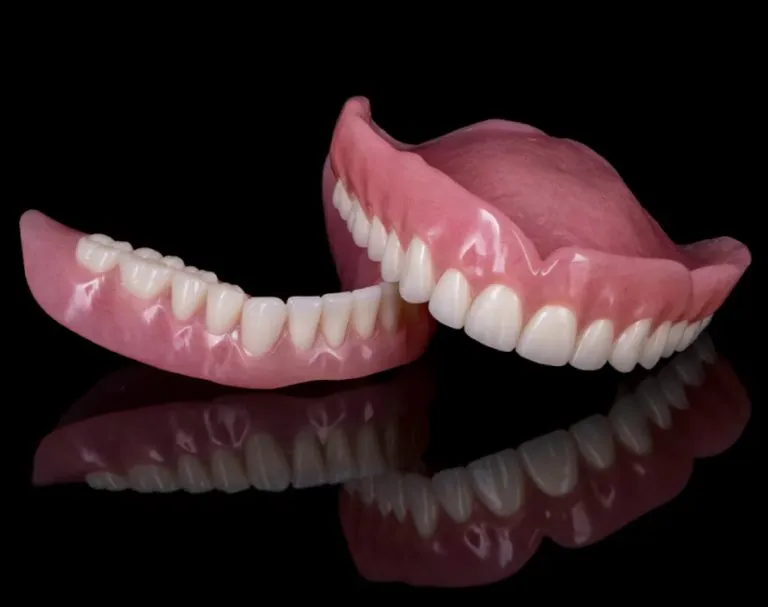
For patients missing most or all of their teeth, implant-supported dentures provide greater stability than traditional removable dentures.
Your dentist will recommend the option that best supports your oral health, lifestyle, and long-term goals.
Recovery Is Often Easier Than Many Patients Expect
Many seniors worry that implant surgery will involve lengthy or difficult recovery.
While every patient heals differently, modern implant procedures are generally well planned and minimally invasive.
Most patients experience temporary swelling or mild discomfort that gradually improves over the following days.
Your dentist will provide personalized aftercare instructions to support comfortable healing and reduce the risk of complications.
Good Oral Hygiene Remains Essential
Dental implants cannot develop cavities, but they still require proper care.
Healthy gums are essential for long-term implant success.
Patients should continue:
- Brushing twice daily.
- Flossing or cleaning around implants.
- Attending regular dental examinations.
- Scheduling professional cleanings.
- Following personalized home care recommendations.
Maintaining excellent oral hygiene helps protect both implants and remaining natural teeth.
Lifestyle Factors Can Influence Success
Several lifestyle habits affect healing and long-term implant outcomes.
Smoking, poor oral hygiene, and unmanaged medical conditions may increase the risk of implant complications.
Your dentist may recommend lifestyle modifications before treatment to improve healing and long-term stability.
Following professional advice both before and after implant placement supports the best possible outcome.
The Importance of a Personalized Treatment Plan
No two patients have identical dental needs.
Experienced dentists develop customized treatment plans based on:
- Oral health.
- Medical history.
- Bone condition.
- Number of missing teeth.
- Smile goals.
- Budget.
- Long-term expectations.
This personalized approach ensures treatment addresses both functional and aesthetic concerns while supporting overall health.
Are Dental Implants Worth the Investment?
Dental implants often involve a higher initial cost than some alternative tooth replacement options.
However, many patients view them as a worthwhile long-term investment because of their durability, comfort, and ability to preserve jawbone health.
Rather than focusing solely on replacing missing teeth, implants help maintain oral function and quality of life for many years.
Your dentist can explain all available treatment options and help you understand which solution best fits your needs.
Choosing the Right Implant Dentist
Experience plays an important role in successful implant treatment.
When choosing a provider for dental implants in Fuquay Varina, look for a practice that offers:
- Comprehensive consultations.
- Advanced diagnostic technology.
- Personalized treatment planning.
- Modern implant techniques.
- Patient education.
- Ongoing follow-up care.
A skilled dental team will carefully evaluate your individual circumstances and recommend the most appropriate treatment rather than taking a one-size-fits-all approach.


























Sign in to leave a comment.