
Losing a tooth can affect chewing, speech, smile appearance, and the position of nearby teeth. Several replacement options are available, but implants are often considered by patients seeking a stable restoration supported within the jawbone.
Dental Implants in Chintal at Dantam Dental involve detailed evaluation, digital planning, implant placement, healing supervision and a customized final restoration.
What Is a Dental Implant?
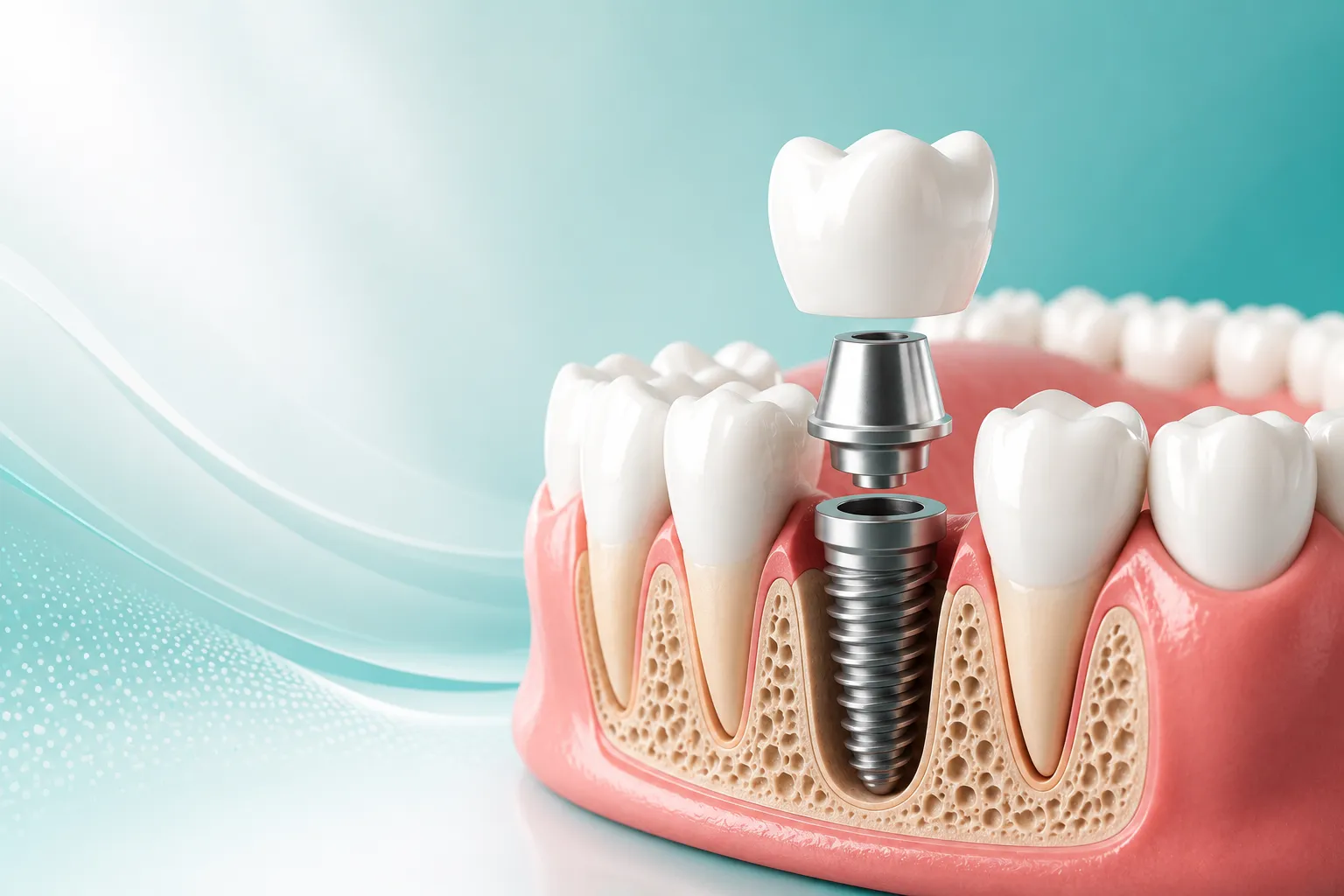
A dental implant is a small post, commonly made from titanium, that is surgically placed into the jawbone. It acts as an artificial tooth root and supports a dental crown, bridge or implant retained denture.
A complete single tooth restoration generally includes:
- The implant post placed in the jawbone
- An abutment connecting the implant and restoration
- A custom implant crown that replaces the visible tooth
This structure makes implants a stable tooth replacement option without requiring support from adjacent healthy teeth in the same way as a conventional bridge.
Who May Consider Dental Implants?
A dental implant treatment may be considered for adults who have lost one or more teeth because of decay, gum disease, injury, or another dental condition.
Suitable candidates generally require:
- Healthy gums
- Adequate jawbone support
- Good general health
- Controlled existing dental conditions
- Commitment to daily oral hygiene
- Willingness to attend follow-up appointments
Patients with reduced bone volume may need additional assessment or preparatory procedures. Smoking, uncontrolled diabetes, active gum disease, and certain medical conditions may affect healing or treatment suitability. A dentist must evaluate these factors before recommending implants.
Benefits of Implant Based Tooth Replacement
Dental implants may provide several functional and aesthetic advantages:
- Stable support for replacement teeth
- Improved chewing ability
- Natural looking smile restoration
- No need to reshape adjacent teeth in suitable cases
- Better comfort than some removable options
- Support for jawbone preservation
- Customized shape, shade, and bite
- A long term missing teeth solution with proper care
Results vary according to oral health, bone condition, treatment complexity, healing, lifestyle habits, and maintenance.
Types of Dental Implant Solutions
The appropriate treatment depends on the number and location of missing teeth.
Single Tooth Implant
A single implant and implant crown can replace one missing tooth. The restoration is designed to complement the nearby natural teeth.
Implant Supported Bridge
When several neighbouring teeth are missing, implants may support a bridge. This can reduce the need to place an individual implant for every missing tooth.
Full Mouth Dental Implants
Patients who have lost most or all their teeth may be evaluated for full mouth dental implants. Multiple implants can support a fixed or removable restoration, depending on the patient’s bone condition, oral health, and treatment requirements.
Not every option is appropriate for every patient. Digital imaging and clinical examination are essential for selecting a safe and suitable plan.
What Happens During Dental Implant Treatment?
The implant process usually takes place in several carefully planned stages.
1. Consultation and Assessment
The dentist evaluates the gums, remaining teeth, bite, and jawbone. Medical history is reviewed to identify factors that may affect surgery or healing.
2. Digital Implant Planning
Dental scans and imaging help assess bone quantity, anatomical structures, and the proposed implant position. This planning stage supports accurate placement and helps the team determine whether additional procedures may be required.
3. Implant Placement
The implant post is placed into the jawbone using a planned surgical approach. Local anaesthesia is generally used to support comfort during the procedure.
4. Healing Period
The surrounding bone needs time to heal and stabilize around the implant. The duration varies according to the treatment area, bone quality, procedure, and individual healing response.
5. Final Restoration
After sufficient healing, an abutment and customized implant crown, bridge, or denture are attached. The restoration is checked for fit, appearance, and bite comfort.
Dental Implants Compared With Other Options
Dental bridges and removable dentures can also provide effective tooth replacement. The most suitable option depends on oral condition, number of missing teeth, budget, preferences, and long term treatment goals.
A conventional bridge is supported by neighbouring teeth, while an implant is supported by the jawbone. A removable denture can replace several teeth without implant surgery, although some patients may prefer the stability of implant supported options.
A professional consultation helps patients compare the benefits, limitations, maintenance needs, and treatment timelines of each missing teeth solution.
Is Implant Surgery Painful?
Local anaesthesia is generally used during implant placement. Some swelling, tenderness, or mild discomfort may occur after the procedure, but the experience differs between individuals.
Patients should follow the prescribed medication, diet, hygiene, and aftercare instructions. Severe pain, persistent bleeding, fever, increasing swelling, or other unexpected symptoms should be reported to the dental team promptly.
Caring for Dental Implants
Implants cannot develop cavities, but the surrounding gums and supporting bone can be affected by plaque and inflammation. Consistent maintenance is therefore essential.
Important care habits include:
- Brushing twice daily
- Cleaning around the implant carefully
- Flossing or using dentist recommended interdental tools
- Avoiding tobacco
- Attending professional cleanings
- Scheduling regular implant reviews
- Using a night guard if advised for teeth grinding
- Reporting movement, discomfort, or gum changes early
Long term success depends on both professional monitoring and daily home care.
Why Choose Dantam Dental?
Dantam Dental provides personalized dental implant treatment supported by digital imaging, detailed planning, precise placement, and regular healing reviews. Its team evaluates the patient’s oral health, bone support, bite, and smile goals before recommending a suitable approach.
Treatment options may include a single tooth implant, an implant supported bridge, or full mouth dental implants for appropriate cases. Each final restoration is customized to improve function, stability, and natural appearance.
The clinic also provides clear guidance about treatment stages, expected timelines, recovery, maintenance, and alternative solutions, helping patients make informed decisions.
Restore Your Smile With Personalized Implant Care
Dental implants can provide a secure and natural looking option for replacing missing teeth, but successful treatment begins with careful assessment and realistic planning.
With advanced diagnostics and individualized care, Dental Implants in Chintal at Dantam Dental offer a structured approach to restoring chewing function, smile appearance and oral confidence through a long term tooth replacement solution.






















Sign in to leave a comment.