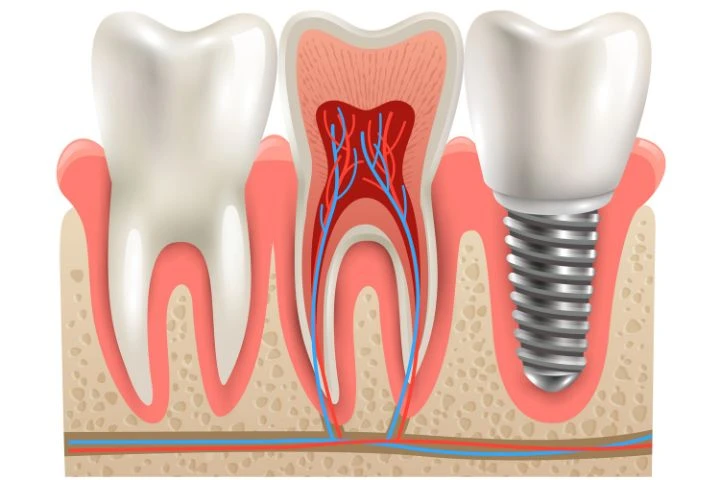

A dental implant is a tiny, biocompatible post that is surgically inserted into the jawbone. Materials like titanium are commonly used to make dental implants. The implant acts as a replacement tooth root and provides a strong and stable foundation for a dental crown, bridge, or denture.
Dental implants are used to replace one or more missing teeth and can be used to support a single tooth, several teeth, or a full arch of teeth. They are a long-lasting and reliable solution for missing teeth, and can help to improve oral health, restore function, and enhance the appearance of the smile.
The process of getting a dental implant typically involves several steps, including consultation and treatment planning, implant placement surgery, healing and integration of the implant with the surrounding bone, placement of an abutment, and attachment of a custom-made dental crown or another prosthetic.
Dental implants have a very high success rate, and with proper care and maintenance, can last for many years or even a lifetime. They are often considered the gold standard for tooth replacement and are a popular choice for patients looking for a permanent and natural-looking solution to missing teeth.
Types of Dental Implants
Endosteal Implants
These dental implants, which are inserted directly into the jawbone, are the most typical kind. They are often constructed of titanium and have a form similar to a little screw or cylinder.Endosteal implants can support one or more artificial teeth and are often used for patients with sufficient jawbone density.
Subperiosteal Implants
These are positioned above the jawbone but beneath the gum tissue.They consist of a metal frame that is attached to the jawbone, with posts protruding through the gums to support artificial teeth. Patients with insufficient jawbone density to sustain endosteal implants frequently use subperiosteal implants.
Zygomatic Implants
These are longer implants that are anchored in the zygomatic bone, which is located in the cheekbone. Zygomatic implants are used when there is not enough jawbone to support traditional implants and are often used in cases of severe bone loss.
All-on-4 Implants
This is a type of dental implant system that uses four implants to support a full arch of teeth. The implants are strategically placed in the jawbone to maximize support and stability and can be used to replace a full set of upper or lower teeth.
Mini Implants
These are smaller versions of traditional implants, with a diameter of less than 3mm. Mini implants can be used in cases where there is not enough space or jawbone density for traditional implants and can support dentures or other prosthetics.
The Dental Implant Procedure
The following phases are commonly included in the dental implant process:
Initial Consultation and Treatment Planning
During the initial consultation, your dentist or oral surgeon will evaluate your oral health and determine if you are a good candidate for dental implants. They will also develop a personalized treatment plan based on your specific needs and oral health status.
2. Implant Placement
During the implant placement procedure, the dental implant post is surgically placed into the jawbone. This procedure is typically performed under local anesthesia or sedation to ensure that you are comfortable throughout the process. After the implant has been placed, the gum tissue is stitched closed, and a temporary crown or bridge may be placed over the implant.
3. Osseointegration
Osseointegration starts once the implant has been inserted. This is the process by which the implant fuses with the surrounding bone tissue, creating a strong and stable foundation for the dental crown or other prosthetic.
4 . Abutment Placement:
Once osseointegration has occurred (typically several months after the implant placement), an abutment is attached to the top of the implant. This is the piece that connects the implant to the dental crown or other prosthetics.
5. Dental Crown or Prosthetic Placement
After the abutment is in place, a custom-made dental crown, bridge, or denture is attached to the abutment, creating a natural-looking and functional replacement tooth or teeth.
6. Follow-Up Care
After your dental implant procedure, your dentist or oral surgeon will provide you with instructions on how to care for your new restoration. You will also need to schedule regular check-ups to ensure that your implant and crown or other prosthetic are functioning properly and to monitor your oral health.
Read Also: When it’s Time for Wisdom Tooth Removal
How Do You Take Care of Dental Implants?
Taking care of dental implants is essential to ensure their longevity and prevent any oral health complications. Here are some suggestions for maintaining your dental implants:
Brush And Floss Regularly
It's essential to brush and floss your teeth twice a day, just like natural teeth. Use a soft-bristled toothbrush and fluoride toothpaste to clean your teeth and implant.
2. Use An Interdental Brush
An interdental brush can help clean hard-to-reach areas around your dental implant. It's recommended to use this type of brush at least once a day.
4. Use A Non-Abrasive Toothpaste
Avoid using abrasive toothpaste as it can damage the surface of your dental implant. Use non-abrasive toothpaste instead.
5. Avoid Hard or Sticky Foods
Chewing on hard or sticky foods can damage your dental implant. Try to avoid these types of foods, especially during the healing process.
6.Visit Your Dentist Regularly
Regular dental checkups are important for maintaining good oral health, including your dental implant. Your dentist can identify any issues early and provide the necessary treatment.
How Much Do Dental Implants Cost?
Typically, a single dental implant might cost anywhere from $1,000 to $4,000 or more. However, keep in mind that this is just an estimate, and the actual cost can vary depending on the factors mentioned above.
It's also important to note that while the upfront cost of dental implants may seem high, they can be a cost-effective solution in the long run. Unlike other tooth replacement options, such as dentures or bridges, dental implants are designed to last for decades with proper care, making them a worthwhile investment.
To get an accurate idea of the cost of dental implants, it's best to schedule a consultation with a dental professional who can evaluate your specific needs and provide you with an estimate. Additionally, many dental practices offer financing options to make dental implants more affordable for their patients.
Bottom Line
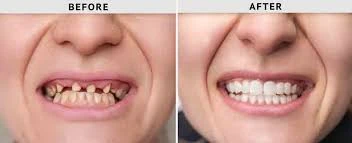
In conclusion, dental implants are an excellent solution for replacing missing teeth and restoring both function and aesthetics to your smile. Whether you've lost a tooth due to decay, injury, or other dental issues, dental implants offer a long-term, durable, and natural-looking replacement option.
When considering dental implant treatment, it's essential to choose a reputable provider of dental services in Colorado. By partnering with a trusted dental professional who specializes in dental implants, you can ensure that you receive the highest quality care and achieve optimal results.









Sign in to leave a comment.