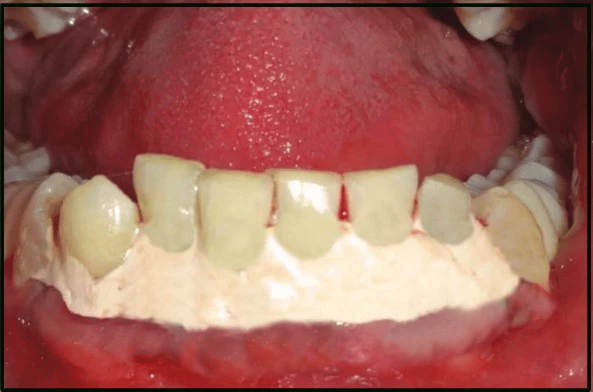

Dental ridge preservation grafts are crucial procedures in modern dentistry aimed at maintaining the integrity of the alveolar ridge after tooth extraction. The alveolar ridge is the bone that surrounds and supports the teeth. After a tooth is removed, this bone can deteriorate, leading to significant issues with future dental restorations, such as implants. Specialised ridge preservation tools are employed during this process to ensure the bone remains in optimal condition, preventing the collapse of the surrounding area and maintaining the jaw's structure.
What is the Purpose of Dental Ridge Preservation?
The primary purpose of dental ridge preservation is to maintain the volume and shape of the alveolar ridge following tooth extraction. When a tooth is extracted, the socket left behind can quickly lose bone density and structure. This resorption can complicate later procedures, such as the placement of dental implants, and affect the overall aesthetic and functional outcome. By using a ridge preservation graft, dental professionals aim to stabilise the area and promote bone growth, making future treatments more predictable and successful. Additionally, the application of a periodontal dressing helps protect the graft site, minimising discomfort and promoting healing.
How Does the Ridge Preservation Graft Work?
The ridge preservation graft involves several key steps:
Tooth Extraction: The tooth is carefully removed, ensuring minimal trauma to the surrounding bone and tissue.Socket Cleaning: The extraction site is thoroughly cleaned to remove any remaining tissue and debris, providing a clean environment for the graft material.
Graft Material Selection: An appropriate graft material is chosen, which can be autogenous, xenogeneic, or synthetic.
Graft Placement: By using ridge preservation tools, the chosen graft material is carefully placed into the socket to fill the space left by the extracted tooth.
Membrane Application: A membrane is often used to cover the graft, protecting the area from infection and allowing the bone to heal undisturbed.
Healing Process: Over time, the graft material integrates with the surrounding bone, promoting natural bone regeneration and preserving the ridge's structure.
Conclusion
Dental ridge preservation grafts are essential in maintaining the structure and functionality of the jaw after tooth extraction. By preventing bone loss and ensuring a stable foundation, these grafts facilitate future dental procedures, such as implants, and contribute to a more natural and aesthetically pleasing outcome.
The use of periodontal dressing during the healing process further enhances recovery, protecting the graft site and reducing discomfort. Through careful application and advanced techniques, dental professionals can effectively preserve the alveolar ridge, ensuring long-term oral health and improved treatment results for their patients.



























Sign in to leave a comment.