
Introduction
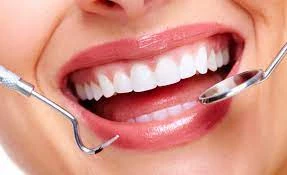
Dental wellness is a cornerstone of overall health, and general dentistry plays a pivotal role in maintaining the health and functionality of our teeth and gums. This comprehensive guide aims to shed light on various general dentistry practices, emphasizing the importance of preventive care, common procedures, and the role of oral health in overall well-being.
Preventive Dentistry: The Foundation of Oral Health
Regular Dental Check-ups: Regular dental check-ups are the cornerstone of preventive dentistry. Dentists recommend biannual visits for routine examinations and cleanings. During these appointments, dentists assess the overall oral health, check for signs of decay, gum disease, and other oral issues, and perform professional cleanings to remove plaque and tartar.Dental Cleanings: Professional dental cleanings are essential for maintaining optimal oral health. Even with diligent at-home oral care, plaque and tartar can accumulate, leading to cavities and gum disease. Dental hygienists use specialized tools to remove these deposits, promoting healthy gums and preventing oral health issues.X-rays: Dental X-rays are valuable diagnostic tools that allow dentists to visualize areas of the mouth not visible during a regular examination. They help identify issues such as cavities between teeth, impacted teeth, and bone loss. With advancements in technology, digital X-rays offer a more efficient and lower radiation alternative to traditional film X-rays.Oral Cancer Screenings: Early detection is crucial in treating oral cancer effectively. During regular check-ups, dentists perform oral cancer screenings, examining the mouth, tongue, and throat for any abnormalities.Common General Dentistry Procedures
Dental Fillings: Dental fillings are one of the most common general dentistry procedures. They are used to repair teeth affected by cavities and decay. Modern fillings are made from materials such as composite resin or porcelain, providing both durability and a natural appearance.Tooth Extractions: Tooth extractions may be necessary for severely damaged or decayed teeth, impacted wisdom teeth, or to create space for orthodontic treatment. Dentists employ various techniques to ensure a comfortable and efficient extraction process.Root Canal Therapy: Root canal therapy is performed to save a tooth that has a severely infected or damaged pulp (the innermost part of the tooth). During the procedure, the infected pulp is removed, the root canal is cleaned, and the tooth is sealed to prevent further infection. Root canals are often painless and are crucial for preserving natural teeth.Dental Crowns: Dental crowns, or "caps," are used to restore and strengthen damaged or weakened teeth. They are custom-made to match the color, size, and shape of natural teeth. Crowns are commonly placed after procedures like root canals or on teeth with large fillings.Dental Bridges: Dental bridges are prosthetic devices used to replace missing teeth. They consist of artificial teeth anchored to adjacent natural teeth or dental implants. Bridges not only restore the appearance of a complete smile but also prevent adjacent teeth from shifting.Dental Implants: Dental implants are a revolutionary solution for replacing missing teeth. They involve the surgical placement of titanium posts into the jawbone, providing a stable foundation for artificial teeth (crowns). Dental implants offer a natural look and feel and contribute to jawbone preservation.Oral Hygiene Practices for Optimal Dental Wellness
Brushing: Brushing teeth at least twice a day is fundamental for maintaining oral health. Using fluoride toothpaste and a soft-bristled toothbrush helps remove plaque and prevents cavities. Proper brushing technique involves gentle circular motions, reaching all surfaces of the teeth and gums.Flossing: Flossing is essential for cleaning between teeth and along the gumline where toothbrushes may not reach. Daily flossing helps prevent gum disease and cavities in hard-to-reach areas.Mouthwash: Mouthwash can complement brushing and flossing by reducing plaque, preventing gum disease, and freshening breath. Dentists may recommend antimicrobial or fluoride mouthwashes based on an individual's oral health needs.Healthy Diet: A balanced diet rich in vitamins and minerals is crucial for oral health. Calcium, vitamin D, and phosphorus contribute to strong teeth and bones. Limiting sugary snacks and beverages helps prevent cavities and maintains overall dental wellness.The Interconnectedness of Oral and Overall Health
The state of oral health is intricately linked to overall well-being. Several systemic conditions, such as diabetes, cardiovascular disease, and respiratory issues, have been linked to oral health problems. Periodontal (gum) disease, in particular, has been associated with an increased risk of various health issues.
Periodontal Health: Gum health is a vital component of oral wellness. Periodontal disease, characterized by inflammation of the gums and bone loss, can lead to tooth loss if left untreated. Additionally, research suggests a connection between periodontal disease and systemic conditions like diabetes and heart disease.Diabetes and Oral Health: Individuals with diabetes are at an increased risk of gum disease. Conversely, uncontrolled gum disease may negatively impact blood sugar levels. Managing both oral health and diabetes is crucial for overall well-being.Cardiovascular Health: Emerging research suggests a potential link between oral health and cardiovascular disease. While the relationship is complex, maintaining good oral hygiene may contribute to a healthier cardiovascular system.Conclusion
Dental wellness is a dynamic and interconnected aspect of overall health, emphasizing the significance of preventive care and general dentistry practices. Regular dental check-ups, oral hygiene practices, and timely intervention through common dental procedures are essential for preserving the health and functionality of teeth and gums. Recognizing the profound connection between oral health and overall well-being reinforces the importance of incorporating dental wellness into the broader spectrum of personal health care. By embracing these principles, individuals can embark on a journey toward optimal dental wellness and, consequently, a healthier and more fulfilling life.



Sign in to leave a comment.