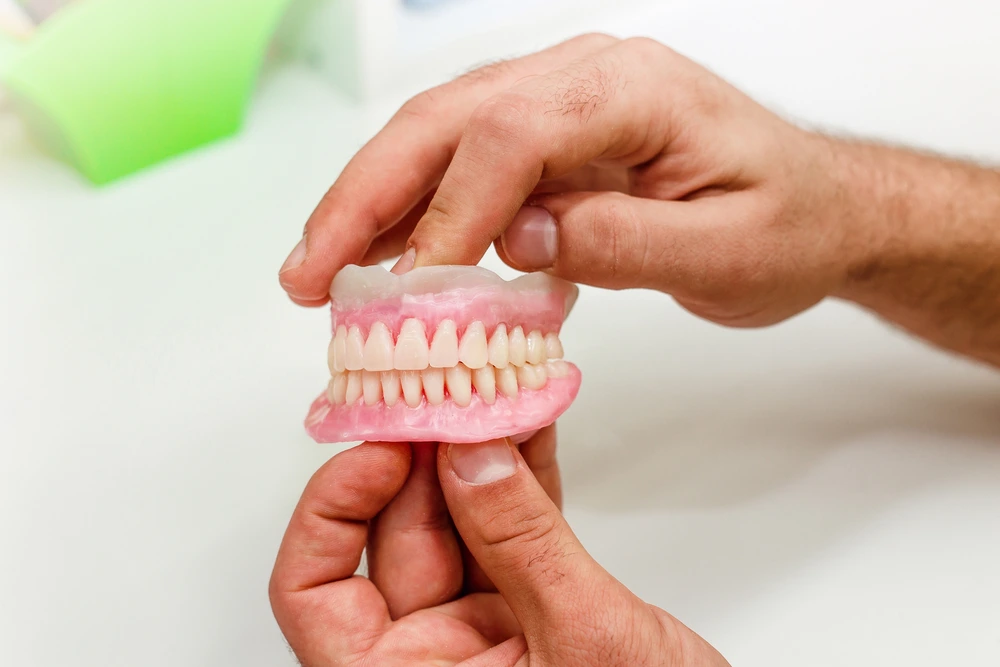
Over time, even the most carefully crafted dentures can lose their perfect fit. Everyday activities like chewing, speaking, or smiling may start to feel different, sometimes slightly uncomfortable or less secure. This gradual change is completely natural, as the shape of your gums and jawbone evolves. But the good news is that it doesn’t mean you need a whole new set of dentures. Instead, a professional denture relining can restore the comfort and stability you once had.
In simple terms, denture relining is a process that reshapes the inner surface of your denture so it fits your mouth’s current contours. It’s a quick and effective way to improve fit, prevent soreness, and maintain proper function without replacing the entire appliance. For residents in Ipswich, it’s a convenient solution offered by trusted local denture specialists.
If your dentures have started to feel loose or cause irritation, denture relining in Ipswich could be the key to bringing back a comfortable, natural fit and helping you smile with confidence once again. With expert care and same-day services available locally, you can restore your denture’s fit without long waiting times or major expenses.
What Is Denture Relining?
At its heart, denture relining is a process of resurfacing the inner surface of the denture (the side that rests against your gums), so that it matches the current shape of your mouth. Over months and years, your gums, soft tissues, and underlying bone undergo gradual changes, sometimes imperceptible, leading to gaps, pressure points, looseness, or irritation.
There are a few types of relines:
- Standard or hard reline: The most permanent option using a firm acrylic material, similar to the base of your denture.
- Soft reline: A more flexible, cushioning liner, suitable if your gums are sensitive or if you have sore spots.
- Temporary reline: Used in transitional periods, such as after extractions, when your gums are still healing.
- Same-day relining: Many dental prosthetists now offer relines completed within a single visit by utilising fast-setting materials or on-site labs.
Each of these options allows your existing dentures to adapt to your changing oral anatomy rather than immediately opting for a full replacement.
Why Denture Relining Matters
You might wonder: if things are “only slightly off,” is a reline really necessary? The short answer: yes, sooner often beats later. Here’s why:
1. Protects gum health and prevents sores
Ill-fitting dentures tend to rub or put uneven pressure on your gums. Left uncorrected, this can lead to irritation, ulceration, or infection of the soft tissues.
2. Maintains chewing efficiency and speech clarity
Loose dentures reduce your ability to chew certain foods, compromise bite stability, and may cause slurring or whistling while speaking. A good reline restores stability, making everyday tasks easier.
3. Extends the life of your dentures
A reline is far more economical than full replacement. A well-executed reline can give your dentures several extra years of useful life.
4. Keeps alignment and bite in better balance
When the fit degrades, it can shift how force is distributed across your jaws, which might lead to bone loss or uneven wear of the denture surface.
5. Cost considerations
Because you're working with your existing denture, relines cost significantly less than complete replacements, making them more accessible to many patients.
When Should You Get Your Dentures Relined?
Recognising the “right time” to reline can save you hassle, discomfort, and worse outcomes. Here are key signs and timing considerations:
- Feeling of looseness or movement when chewing or speaking
- Gum soreness or tender spots appearing consistently in the same place
- Food is getting stuck under the denture base
- Slurred speech or whistling sounds when you talk
- Regular adjustments are needed, but discomfort returns quickly
- No check-up in over 12 months
Most dental professionals suggest you have your dentures evaluated every 12 to 24 months to detect changes early. In many cases, a reline can be done before problems escalate into a cracked denture or more serious trouble.
In Ipswich, clinics specialising in denture relining often offer the convenience of same-day denture relining, so you don't need to endure discomfort over several days.
However, if your denture is severely worn, cracked, or more than 7–10 years old, a reline may not suffice; replacement may be more appropriate.
Denture Relining vs Replacement: Pros and Considerations
While relining is advantageous in many cases, it isn’t always the best choice. Understanding the differences can help you decide:
Extent of damage or wear: If your denture’s teeth or base are chipped, cracked, or chronically worn, relining won’t fix structural failure.
Severe anatomical change: If your jawbone or gum ridge has significantly resorbed, a reline may not be able to compensate.
Long-term durability goals: A new denture incorporates new material and design, giving a longer-lasting fit in changing mouths.
Cost vs investment: Relining is cheaper up-front. Replacement is costlier but can reduce recurring adjustment costs.
Aesthetic or material upgrade: If you want a newer design, better materials, or cosmetic enhancements, replacement is your chance.
If your denture is still in good structural shape, a professional reline by a local denture specialist is often the smarter, more cost-effective option, especially when paired with same-day denture relining services.
The Denture Relining Process
When you book a reline appointment at a denture clinic in Ipswich, here’s what typically happens (though the exact method can vary by prosthetist and material):
- Initial Consultation & Inspection: The prosthetist examines your mouth, remaining teeth (if any), gum tissues, and your existing denture. They look for damage, warping, or signs that replacement might be needed instead.
- Impression Taking / Moulding: A new impression or mould is made so the inside of the denture matches your current gum contour precisely.
- Lining or Resurfacing: The interior surface of the denture is adjusted, either by layering new material (hard or soft liner) or by re-adapting the base to fill gaps. In clinics with on-site labs, this can happen the same day.
- Curing / Setting: The new lining material is allowed to set or cure. For fast-turnaround services, quick-curing materials may be used.
- Finishing & Polishing: Any excess material is trimmed, edges smoothed, and surfaces polished to ensure comfort.
- Final Fit & Adjustment: You try on the relined denture. The prosthetist makes minor tweaks to pressure points or alignment as needed.
The entire process can take just a few hours in a clinic that supports same-day denture relining, perfect if you don’t want to walk around in discomfort for days.
Tips to Extend the Life of a Relined Denture
After investing in relining, you’ll want to protect your dentures and keep the fit durable for as long as possible. Here are the best practices:
- Daily cleaning: Remove dentures and clean gently twice a day, using a soft brush and recommended cleaners (avoid toothpaste, which can be abrasive).
- Soak overnight (if the prosthetist recommends it): Maintaining moisture helps prevent warping or shrinkage.
- Handle with care: Always hold dentures over a soft towel or basin of water to prevent damage if dropped.
- Avoid DIY adjustments: Never attempt to grind or reshape dentures yourself; this can unbalance acrylic and ruin the fit.
- Regular check-ups: Even with relining, you should see your dental prosthetist yearly (or as advised) to catch gradual changes.
- Monitor fit and comfort: If soreness, looseness, or cracks start to reappear, book an appointment before small problems grow.
Why Use a Local Denture Specialist in Ipswich?
Choosing a prosthetist local to Ipswich (rather than a distant provider) gives you distinct advantages:
Convenience & follow-up ease: Being nearby means faster rechecks and quicker adjustments.
Familiarity with local health services & regulations: Local specialists know city-state rules, voucher systems, and oral health programs.
Community trust & reputation: Longstanding clinics often serve multiple generations and have a reputation built on service.
By choosing a local specialist, you’re more likely to get responsive care, better continuity, and a more personalised experience.
Conclusion
Maintaining the fit and comfort of your dentures is essential for both oral health and overall confidence. Over time, natural changes in your gums and jawbone can cause even the best-fitting dentures to become loose or uncomfortable. Addressing these changes promptly with denture relining ensures your dentures continue to function properly, protecting your gums and supporting your ability to eat and speak with ease.
For residents in Ipswich, professional denture relining services offer a convenient and effective way to restore the fit of your existing dentures. Whether it’s a soft reline for added comfort or a hard reline for long-lasting stability, local specialists can tailor the procedure to your specific needs, often with same-day service.
If your dentures no longer feel secure, don’t wait for discomfort to escalate. Contact a trusted denture clinic in Ipswich today to schedule a consultation and experience how denture relining can restore comfort, improve oral health, and help you smile with confidence once again.










Sign in to leave a comment.