
When it comes to caring for your baby’s delicate hair and scalp, choosing the right baby shampoo is one of the most important decisions parents can make. A newborn’s scalp is sensitive, thin, and more prone to dryness or irritation than adult skin. That is why dermatologists consistently recommend mild, tear-free, and chemical-free formulas designed specifically for infants. The right product not only keeps your baby clean but also supports healthy hair growth from the very beginning.
In today’s market, there are countless options available, each claiming to be the safest and most effective. However, understanding what dermatologists look for in a quality baby shampoo can help parents make informed decisions that truly benefit their child’s hair and scalp health.
Why Baby Scalp Care Matters
A baby’s scalp produces natural oils that protect the skin barrier and nourish hair follicles. Harsh cleansers can strip these oils, leading to dryness, flakiness, and even cradle cap. Consistent irritation may also affect the environment where hair grows, potentially slowing healthy development.
Dermatologists emphasize that maintaining a clean yet hydrated scalp creates the ideal condition for strong, soft hair. This is why a gentle baby shampoo formulated without harmful additives plays a critical role in your baby’s grooming routine.

Key Ingredients Dermatologists Recommend
When selecting a baby shampoo, experts often advise parents to check the ingredient list carefully. Here are some dermatologist-approved components that promote healthy hair growth:
- Mild surfactants that cleanse without stripping natural oils
- Natural moisturizers such as aloe vera or glycerin
- Chamomile extract to soothe irritation
- Coconut-based cleansers that are gentle on sensitive skin
- Vitamin E to support scalp nourishment
At the same time, it is important to avoid parabens, sulfates, artificial fragrances, and alcohol. These ingredients may cause dryness or allergic reactions in babies with sensitive skin.
The Importance of Tear-Free Formulas
Bath time should be a joyful bonding experience, not a stressful one. Tear-free formulas are specifically designed to prevent eye irritation. Dermatologists suggest choosing a baby shampoo labeled as “tear-free” and “hypoallergenic,” ensuring it has been tested for safety.
A calm bath routine encourages regular cleansing, which keeps the scalp fresh and free from buildup. Clean hair follicles allow hair to grow freely without obstruction from dirt or excess oil.
Supporting Healthy Hair Growth Naturally
Hair growth in babies varies. Some infants are born with thick hair, while others develop fuller strands gradually. The goal is not to rush the process but to create the best possible environment for natural growth.
Using a nourishing baby shampoo two to three times a week is typically sufficient. Overwashing can dry out the scalp, while underwashing may allow sweat and residue to accumulate. A balanced routine keeps the scalp hydrated and healthy.
After washing, gently pat the hair dry with a soft towel. Avoid rough rubbing, which may weaken delicate strands. Using a soft baby brush can stimulate circulation in the scalp, further supporting healthy growth.
Creating a Complete Baby Care Routine
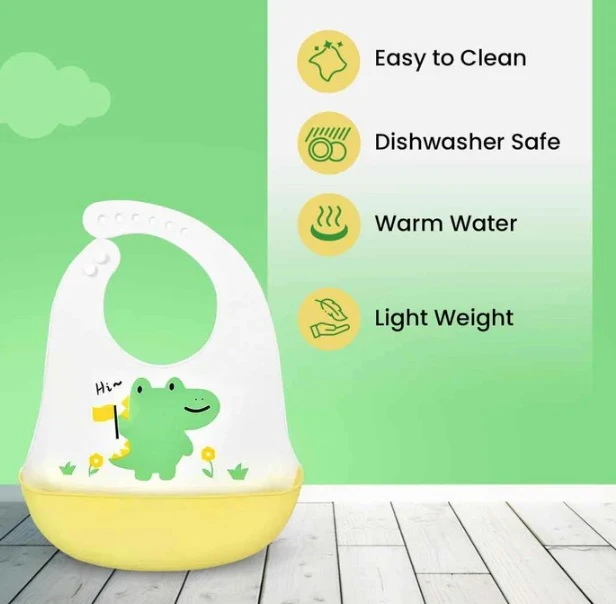
Healthy hair growth is part of a broader hygiene routine. During feeding time, keeping your baby clean is equally important. Many parents conveniently purchase baby bibs online to protect clothing from spills and maintain hygiene. Just as selecting the right shampoo matters for scalp care, choosing safe and comfortable bibs ensures your baby stays dry and irritation-free throughout the day.
Shopping for baby bibs online gives parents access to a variety of materials, including organic cotton and waterproof options. Soft fabrics prevent rashes around the neck area, complementing the gentle care provided by a dermatologist-approved baby shampoo.
How Often Should You Wash Your Baby’s Hair?
Dermatologists generally recommend washing a baby’s hair two to three times per week. However, this can vary depending on climate, activity level, and scalp condition. In hot weather or humid environments, slightly more frequent washing with a mild baby shampoo may be appropriate.
If your baby has cradle cap, a pediatrician may recommend a specific cleansing routine. In such cases, always follow professional guidance and use products formulated specifically for infants.
Signs You’ve Chosen the Right Shampoo
You will know a baby shampoo suits your child if:
- The scalp remains soft and moisturized
- There is no redness or irritation
- Hair feels smooth and manageable
- Bath time remains comfortable and tear-free
Consistency is key. Avoid switching products frequently unless necessary, as sudden changes can disrupt the scalp’s natural balance.
The Role of Nutrition in Hair Growth
While external care is essential, internal health also affects hair development. Proper nutrition supports strong hair follicles. If your baby is breastfeeding, maternal nutrition plays a role. As your child transitions to solid foods, a balanced diet rich in vitamins and minerals becomes even more important.
External care with a gentle baby shampoo, combined with healthy feeding habits and overall hygiene practices like using quality baby bibs online, ensures a well-rounded approach to your baby’s growth and comfort.
Common Mistakes to Avoid
Parents sometimes assume that more foam equals better cleaning. In reality, excessive lather often indicates stronger detergents, which may not be suitable for infants. Another common mistake is using adult or family shampoos on babies. These formulas are not designed for sensitive skin and can cause dryness.
Additionally, always rinse thoroughly. Residual shampoo left on the scalp can cause itching or buildup over time.

Choosing Trusted Brands
With so many products available, choosing a trusted brand that prioritizes safety and gentle ingredients is crucial. Dermatologist recommendations, pediatric testing, and transparent ingredient lists are strong indicators of quality.
Parents who invest time in researching both baby shampoo and daily essentials, such as baby bibs online often find that thoughtful choices create a smoother parenting journey. Quality products contribute to your baby’s comfort, health, and happiness.
Conclusion
Caring for your baby’s hair is about more than appearance. It is about nurturing delicate skin, maintaining scalp health, and supporting natural growth from the earliest stages of life. A dermatologist-recommended baby shampoo provides gentle cleansing while preserving the scalp’s protective barrier. When paired with mindful daily care routines and safe feeding accessories like baby bibs online, parents can ensure their little one remains clean, comfortable, and healthy.
For parents seeking thoughtfully designed baby essentials that prioritize safety and quality, brands like tutots focus on creating products that support your child’s well-being at every stage. By choosing reliable solutions and maintaining a consistent care routine, you can confidently support your baby’s healthy hair growth and overall comfort.


























Sign in to leave a comment.