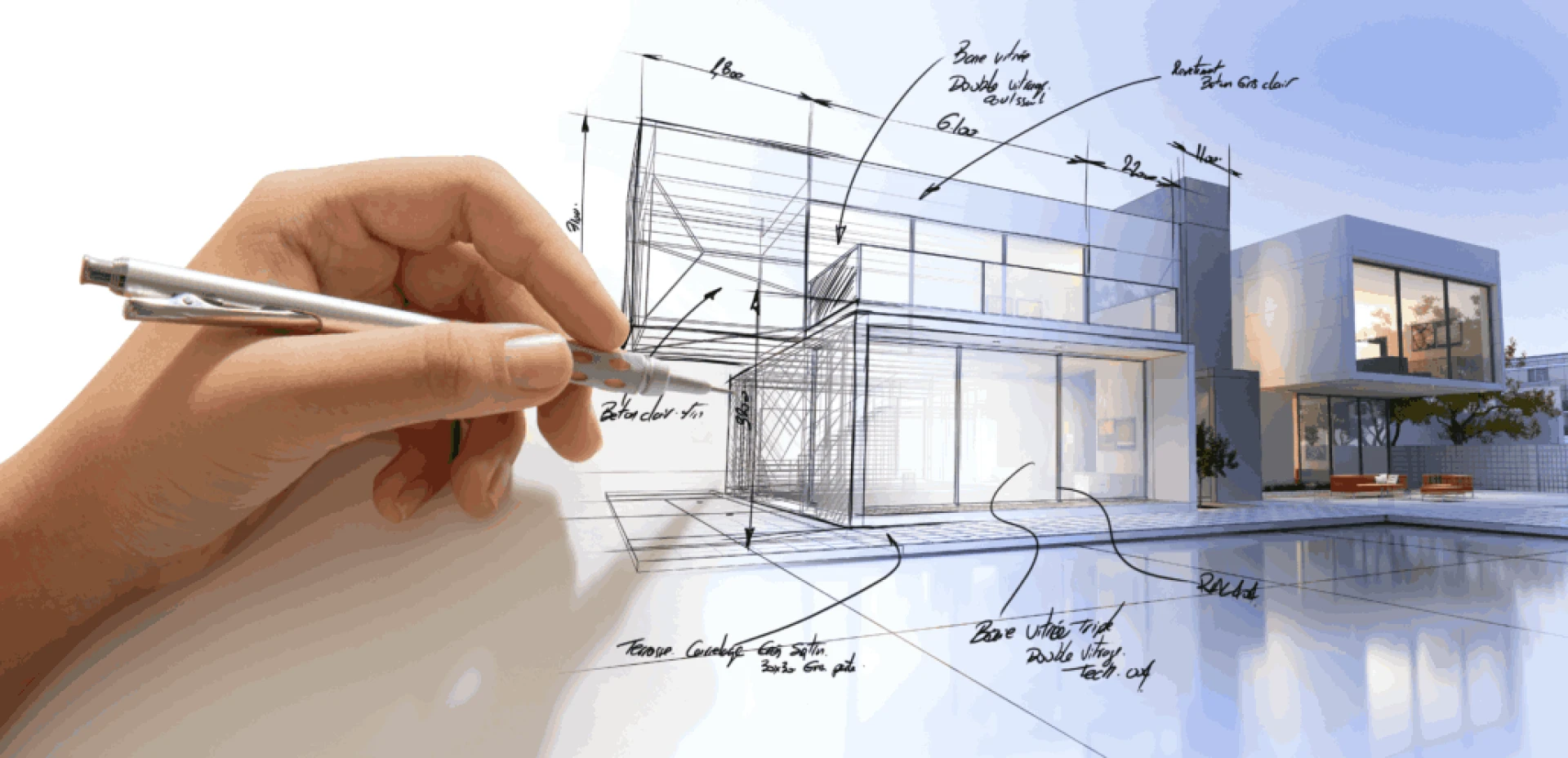

In the evolving landscape of the construction industry, the design-build approach is fast emerging as a favored project delivery method. Combining the roles of designer and constructor into a single entity, design-build represents a shift from the traditional sequential process to an integrated, collaborative model.
The responsibility of both design and construction falls upon a single design-build entity, fostering a sense of unity, enhancing communication, and ultimately leading to the efficient realization of the project.
Unlike the conventional design-bid-build method, where the design and construction stages are distinct and often performed by separate companies, the design-build approach merges these two vital phases.
This union allows for ongoing collaboration throughout the project, encouraging innovation, reducing misunderstandings, and enabling the team to foresee and mitigate potential issues more effectively.
In this blog post, we will share the various types of design-build construction, examining the subtle differences and unique benefits of each. It will also highlight the inherent advantages of the design-build approach, from enhanced cost and time efficiency to improved quality control. As we take this inside look at design-build construction, the potential it holds for transforming the industry will become increasingly evident.
The Various Types of Design-Build
The design-build construction services model is available in a number of various forms, each of which is tailored to a particular category of project and the specific needs of the customer.
Pure Design-Build: In this form, one entity—the design-build team—is responsible for all aspects of the project, from design to execution. This is a highly collaborative approach, as the design-build team works closely with the client throughout the process.
Design-Build by Joint Venture: In this case, a joint venture is formed between a design firm and a construction firm to provide both services under one contract. This model is often used for larger projects where the scale and complexity require a wide range of expertise.
Design-Build Operate (DBO): Here, a single entity is responsible not only for the design and construction of the project, but also its operation once completed. This model is common in sectors where operational efficiency is key, such as waste treatment facilities.
Design-Build Finance Operate (DBFO): This extends the DBO model to include the financing of the project. It is particularly popular in public-private partnerships, where a private entity finances, designs, builds, and operates a facility over a specified contract period.
The Benefits of Design-Build Construction
The design-build method offers a number of advantages that cannot be discounted, which is one of the reasons why so many customers choose to use it.
Single Point of Responsibility: The design-builder serves as the sole point of responsibility, minimizing risks for the project owner and reducing the delivery schedule by overlapping the design phase and construction phase.
Cost Savings: According to a study by the Construction Industry Institute, design-build projects are completed 33% faster and at a 6% lower cost than traditional design-bid-build projects. This is largely due to the streamlined process and reduced communication bottlenecks.
Quality Control: By housing the design and construction teams under the same roof, the design-build methodology paves the way for increased coordination, which in turn results in enhanced quality control.
Improved Communication: The design-build model encourages open communication and collaboration between all parties, fostering a team approach to problem-solving and decision-making.
Reduced Administrative Burden: Since there's only one contract to manage rather than multiple contracts for different scopes of work, the administrative burden on the project owner is significantly reduced.
Time Efficiency: The design-build model promotes concurrent working, with design and construction phases often overlapping. This results in projects being completed faster, benefiting the project owner.
Types of Design-Build Construction
Bridging Design-Build: This approach is a hybrid that combines elements of both traditional design-bid-build and pure design-build methods. The owner hires a designer to develop conceptual design and performance specifications. Then, a design-build contractor is brought on to complete the final design and construction.
Integrated Project Delivery (IPD): While not strictly a design-build approach, IPD shares similarities in that it promotes collaboration among all project stakeholders from the outset. It's a contractual agreement among the owner, designer, and builder, ensuring shared risk and reward and a unified project vision.
Benefits of Design-Build Construction
Mitigated Risk: With a single entity managing the project, design-build can effectively manage risks. Design-builders shoulder the responsibility for design errors or omissions, thereby safeguarding the owner from costly oversights.
Innovative Solutions: A cohesive design-build team can foster an environment where creative problem-solving thrives. Such a team is often more willing to investigate and propose innovative, custom solutions that benefit the project.
Transparent Process: The design-build process, by virtue of its collaboration and integration, promotes transparency. All stakeholders are aware of project progress, changes, challenges, and successes.
Enhanced Project Customization: As the design-build method fosters close collaboration between the owner and the design-build team, it provides the owner with the opportunity to influence design and construction decisions more directly.
Sustainability: Many design-build firms are at the forefront of implementing sustainable design and construction practices. Because the design-build process integrates all aspects of a project, it can more easily incorporate sustainability objectives from the beginning.
Dispute Reduction: With fewer parties involved and a single entity held accountable, there are fewer opportunities for disputes to arise between parties. This can result in a smoother, more efficient project process.
Closing Thoughts
The design-build construction method is an increasingly popular project delivery method due to its efficiency, cost-effectiveness, and the collaborative environment it fosters. In a rapidly changing and demanding construction industry, this model's benefits are particularly relevant, facilitating the delivery of high-quality projects within tight schedules and budgets.
As construction projects continue to grow more complex, the professionals who can effectively manage design-build projects will become ever more valuable, their integrated approach and broad skillset being fundamental to the successful realization of the ambitious and diverse projects of the future.










Sign in to leave a comment.