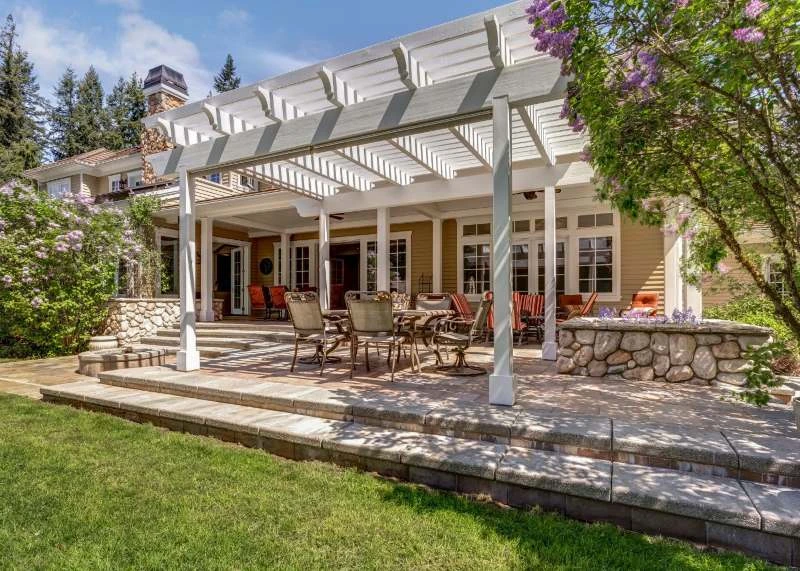

The lines between indoor and outdoor living are becoming increasingly blurred, and there’s research to back it up. According to a 2021 survey from the International Casual Furnishings Association (ICFA), people are doing more of the things they enjoy doing inside their homes outdoors — a list that includes relaxing, exercising, dining, playing with pets and children, and entertaining guests. With that in mind, nearly 6 in 10 Americans plan to invest in at least one new piece of furniture or accessories this year to further maximize use of their outdoor space. This shift lends itself to a conversation around design.
To truly create a seamless blend of indoor and outdoor living, it’s important to think about how the design of your outdoor space, in collaboration with a trusted Landscaping Company in Woodbridge NJ, connects and correlates with your home from both an aesthetic and functionality standpoint.
Consider the Flow of Traffic
Just as one considers the layout and flow of traffic within a home's interior, the same attention should be paid to outdoor spaces. While outdoor settings may not replicate the exact layout of indoor areas, reflecting on the natural movement patterns within the home can inform the design of outdoor spaces. For instance, instead of a direct transition from the backdoor to an outdoor kitchen, creating a welcoming outdoor living room can establish a smoother flow, mirroring the transition from foyer to main living spaces indoors. Adequate space allocation for movement and circulation ensures that the outdoor area remains functional and inviting without feeling cramped or disjointed.
Harmonize Color Schemes
Coordinating color schemes between indoor and outdoor spaces fosters visual cohesion and a sense of continuity. By echoing the hues and tones used indoors, whether they are neutral or bold, one can create a harmonious transition between the two environments. For example, if the interior flooring features a neutral stone-inspired hue, selecting outdoor pavers with a similar coloring can extend the interior aesthetic seamlessly into the outdoor area. Moreover, considering the exterior palette of the home is crucial in selecting complementary outdoor finishes. Aligning outdoor furniture and accents with the exterior color scheme ensures a harmonized look that enhances the overall curb appeal and visual unity of the property.
Integrate Indoor Comforts
Embracing the comforts of indoor living outdoors elevates the functionality and enjoyment of outdoor spaces. Just as one would prioritize comfort indoors, incorporating elements like cozy seating, ambient lighting, and climate control features outdoors enhances the outdoor experience year-round. Whether it's cozy blankets for cool evenings by the fire pit or installing outdoor ceiling fans for summer gatherings, these thoughtful additions extend the usability of outdoor spaces, encouraging prolonged relaxation and socializing. By seamlessly integrating these indoor comforts into the outdoor setting, homeowners can create inviting retreats that cater to diverse activities and weather conditions, fostering a true extension of their indoor lifestyle.
Final Thought
The art of blending indoor and outdoor living lies in thoughtful design considerations that prioritize flow, harmony, and comfort. By aligning the layout, color palette, and amenities of outdoor spaces with those of the indoors, homeowners can create cohesive environments that seamlessly transition between the two realms, offering versatile and inviting spaces for living, entertaining, and relaxation. For more information, individuals can explore design resources, consult with professionals, and gather inspiration from architectural publications and home improvement platforms to further refine their approach to integrated living spaces.

























Sign in to leave a comment.