

- Designer thobes combine traditional tailoring with modern detailing, fabric quality, and refined finishing.
- Premium thobes are distinguished by denser fabric, precise stitching, and better draping compared to standard versions.
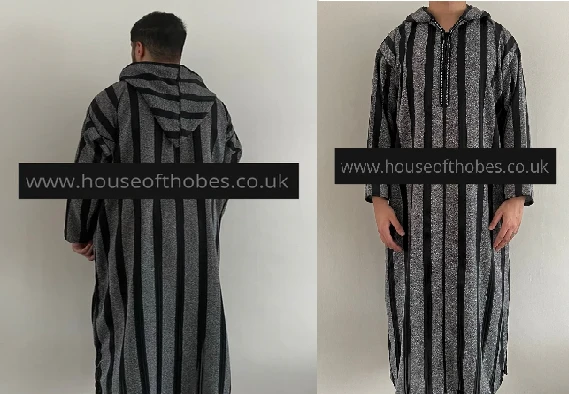
- The Moroccan thobe style stands out for its distinct silhouette, often featuring detailed embroidery and unique collar designs.
- Fabric choice significantly affects comfort, structure, and how well a thobe holds its shape over time.
- Fit varies by regional style, so understanding cut differences helps avoid sizing mistakes.
- Proper care extends the life of embroidery and fabric quality on premium pieces.
- Choosing a trusted source for designer thobes ensures authentic craftsmanship rather than mass-produced alternatives.
Introduction
A well-made thobe says a lot before a single word is spoken—it reflects craftsmanship, cultural respect, and personal style all at once. But there's a real difference between an everyday thobe and a true designer piece. Designer thobes bring together superior fabric, tailored fit, and detailed finishing that stand apart from mass-market versions.
This guide explores what defines designer and premium thobes, including the distinctive Moroccan thobe style, and how to choose one that suits both your comfort and your look.
Designer thobes are premium garments distinguished by refined tailoring, high-quality fabric, and detailed finishing not found in standard versions. Premium thobes typically feature denser cotton weaves, precise stitching, and better structural drape. The Moroccan thobe is a distinct regional style known for its detailed embroidery and unique silhouette, making it a popular choice for those seeking both tradition and individuality in their wardrobe.
What Sets Designer Thobes Apart?
Not every thobe is created with the same level of care. Designer thobes typically stand out through several key details.
Fabric Quality
Premium cotton blends feel softer, breathe better, and hold their shape through repeated wear and washing.
Tailoring Precision
Designer thobes are cut with more attention to proportion—sleeve length, shoulder fit, and overall drape are noticeably more refined.
Finishing Details
Reinforced seams, precise button placement, and clean hemlines are hallmarks of a well-made designer piece.
Embroidery and Embellishment
Where embroidery is used, designer thobes feature dense, even stitching rather than sparse or uneven detailing.
Premium Thobes: What to Look For
When evaluating whether a thobe is genuinely premium, a few details make the difference clear.
| Feature | Standard Thobe | Premium Thobe |
|---|---|---|
| Fabric | Lighter, blended cotton | Dense, breathable cotton |
| Stitching | Machine-basic | Reinforced, precise |
| Drape | Can appear stiff or thin | Falls naturally, structured |
| Embroidery | Sparse or uneven | Dense, symmetrical detailing |
| Longevity | Shorter lifespan | Holds shape over years |
The Moroccan Thobe: A Distinct Style
The Moroccan thobe holds its own identity within thobe traditions, recognised for specific stylistic elements.
Key Characteristics
- Detailed embroidery, often around the collar, chest, and cuffs
- Distinctive collar styles, sometimes featuring a mandarin or subtly structured neckline
- Rich colour options, extending beyond the traditional white into deeper tones
- Cultural craftsmanship, reflecting North African tailoring traditions
Why It's Popular
The Moroccan thobe appeals to those looking for a style that feels both traditional and distinctly individual, especially for cultural occasions and formal events.
Choosing the Right Fabric
Fabric plays a major role in both comfort and how a designer thobe performs over time.
- Lightweight cotton – Ideal for warmer climates and daily wear
- Cotton-poly blends – More wrinkle-resistant, easier to maintain
- Heavier cotton weaves – Better suited to formal occasions and cooler weather
Getting the Fit Right
Regional thobe styles are cut differently, so it's worth checking sizing carefully rather than assuming a single size works across all styles.
- Compare shoulder, chest, and length measurements to the specific style's size guide
- Consider a slightly looser fit for everyday comfort, or a tailored cut for formal wear
- Sleeve length should sit comfortably at the wrist without excess bunching
Styling Designer Thobes
- Formal occasions – Choose richer fabrics and detailed embroidery for a polished look
- Everyday wear – Lightweight, simpler designs offer comfort without sacrificing style
- Cultural events – Moroccan or heavily embroidered styles add a distinctive touch
- Layering – Pair with a matching shemagh or subtle accessories for a complete look
How to Care for Premium Thobes
- Wash inside out to protect embroidery and fabric finish
- Use a gentle or hand-wash cycle with cold water
- Avoid wringing, which can distort embroidery and structured seams
- Iron on the reverse side to protect raised detailing
- Store on a hanger to maintain the tailored shape
The most common mistake buyers make with designer thobes is focusing entirely on embroidery detail while overlooking fabric weight and weave density. A beautifully embroidered thobe made from thin, low-grade cotton will lose its structure within months, while a well-woven premium fabric holds its shape and softness for years, regardless of how minimal or detailed the embellishment is.
House of Thobes brings together premium fabric, precise tailoring, and authentic regional styles including the distinctive Moroccan thobe—so every piece reflects genuine craftsmanship rather than mass-produced shortcuts.
Frequently Asked Questions
1. What makes a thobe "designer" rather than standard? Designer thobes typically feature superior fabric, precise tailoring, and refined finishing details not found in mass-produced versions.
2. What is distinctive about a Moroccan thobe? It's known for detailed embroidery, unique collar styles, and a rich range of colours beyond traditional white.
3. Are premium thobes worth the extra cost? Yes, better fabric and construction mean premium thobes hold their shape and quality far longer than standard alternatives.
4. How do I know what size designer thobe to order? Always check the specific size guide for that style, since regional cuts can differ significantly in fit.
5. Can designer thobes be worn for everyday occasions? Yes, many designer thobes are made in lighter fabrics suitable for daily wear, not just formal events.
6. How should I care for embroidered designer thobes? Wash inside out on a gentle cycle, avoid wringing, and iron on the reverse side to protect the embroidery.
7. What colours are typical for Moroccan thobes? While white remains popular, Moroccan styles often include deeper tones and richer colour combinations compared to standard designs.





























Sign in to leave a comment.