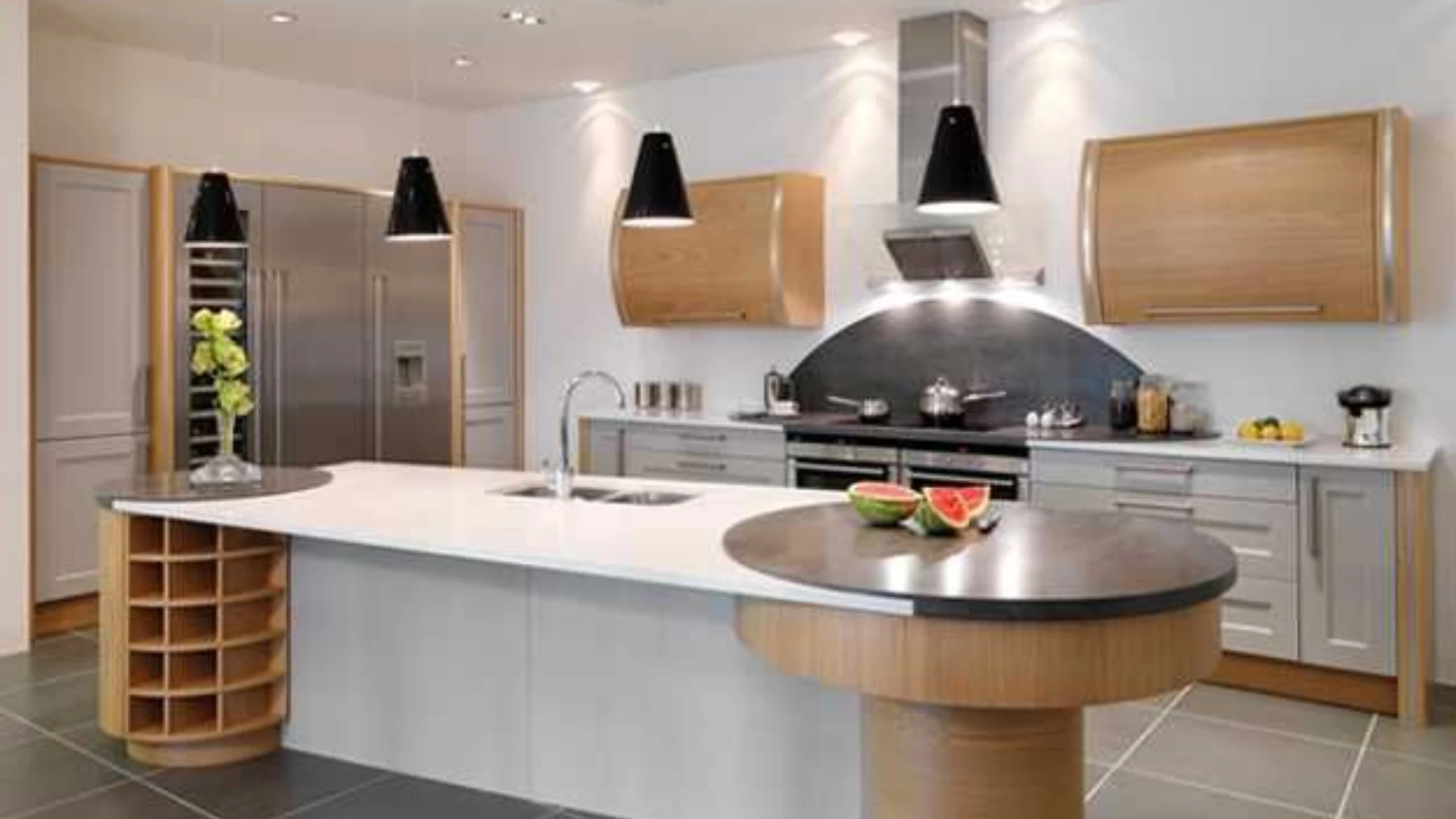

The kitchen is often considered the heart of the home. It’s where families gather, meals are prepared, and memories are made. Whether you’re redesigning your kitchen for personal use or staging it to sell, creating a functional and stylish space is essential. A well-designed kitchen not only enhances everyday convenience but also adds significant value to your home.
From choosing the right layout to maximizing storage, this guide will help you design a kitchen that is both beautiful and practical.
Key Elements of a Functional and Stylish Kitchen
1. Layout: Creating a Seamless Workflow
The kitchen layout is crucial in ensuring smooth movement while cooking and entertaining. The classic kitchen work triangle—which connects the sink, stove, and refrigerator—remains the foundation of an efficient kitchen design.
Popular Kitchen Layouts:
✔ Galley Kitchen: Ideal for small spaces, with two parallel counters maximizing efficiency.
✔ L-Shaped Kitchen: Provides flexibility and allows for an open concept.
✔ U-Shaped Kitchen: Offers ample counter space and keeps everything within reach.
✔ Island Kitchen: Adds extra prep space and serves as a focal point for gathering.
If your kitchen is part of a larger home staging plan, ensuring a functional layout can make a strong impression on potential buyers. For those selling an unoccupied home, vacant home staging can help highlight the kitchen’s best features by adding stylish yet minimal decor.
2. Smart Storage Solutions: Maximizing Space
A clutter-free kitchen not only looks more elegant but also improves efficiency. Maximizing storage is key to keeping everything organized and easily accessible.
Smart Storage Ideas:
✔ Pull-Out Pantry: Ideal for compact kitchens, making ingredients easy to access.
✔ Deep Drawers: Perfect for storing pots, pans, and large kitchen appliances.
✔ Open Shelving: Adds a stylish touch while providing quick access to essentials.
✔ Corner Cabinets with Lazy Susans: Utilizes hard-to-reach spaces efficiently.
✔ Vertical Storage: Install hooks or racks for hanging mugs, utensils, or pots.
An organized kitchen ensures a smooth cooking experience and makes the space more appealing, whether for personal use or home staging.
3. Choosing the Right Materials and Finishes
Your choice of materials influences both the look and durability of your kitchen. Select finishes that balance aesthetics with functionality.
Best Materials for Kitchen Design:
✔ Countertops: Quartz (durable and low maintenance), granite (luxurious and heat-resistant), butcher block (warm and natural).
✔ Cabinets: Solid wood for a classic look, MDF for affordability, or glass-front cabinets for an airy feel.
✔ Backsplash: Subway tiles for a timeless appeal, marble for elegance, or patterned tiles for personality.
✔ Flooring: Hardwood for warmth, tile for durability, or vinyl for affordability and style.
When staging a home for sale, selecting neutral finishes helps appeal to a wider range of buyers. Vacant home staging professionals often recommend modern yet classic finishes that create a sophisticated look while maintaining broad market appeal.
4. Lighting: Enhancing the Ambiance
Good lighting can transform a kitchen from ordinary to extraordinary. Layering different types of lighting ensures both function and style.
Types of Kitchen Lighting:
✔ Ambient Lighting: Ceiling fixtures or recessed lights for overall brightness.
✔ Task Lighting: Under-cabinet lights to illuminate work areas.
✔ Accent Lighting: Pendant lights over an island or decorative sconces for added charm.
Proper lighting enhances the kitchen’s visual appeal while improving visibility for cooking and dining.
5. Color and Decor: Achieving a Timeless Look
The right color palette can make a kitchen feel fresh, inviting, and on-trend.
Best Kitchen Color Schemes:
✔ Neutral Tones: White, beige, or soft gray for a timeless and spacious feel.
✔ Bold Accents: Navy blue, forest green, or matte black for a modern touch.
✔ Warm Tones: Soft taupe, terracotta, or creamy white for a cozy atmosphere.
When staging an occupied home, keeping decor minimal and neutral allows potential buyers to imagine their own style in the space. Occupied home staging experts often recommend small but impactful updates—such as fresh flowers, stylish dishware, or elegant bar stools—to enhance visual appeal without overwhelming the space.
Additional Tips for an Efficient Kitchen Design
✔ Keep Appliances Updated
Modern, energy-efficient appliances not only add convenience but also increase a home’s resale value. If upgrading isn’t an option, deep cleaning and polishing existing appliances can make a huge difference.
✔ Maintain a Clutter-Free Countertop
Minimal counter decor creates an airy and spacious feel. Store away unnecessary gadgets and keep countertops clear, adding only a decorative bowl of fruit or a stylish cutting board for a touch of warmth.
✔ Incorporate Multi-Functional Features
Adding features like a kitchen island with built-in storage, fold-out dining space, or extendable countertops maximizes functionality without sacrificing style.
Final Thoughts
Designing a functional and stylish kitchen requires thoughtful planning, smart storage solutions, and a balance of modern aesthetics with timeless appeal. Whether you’re renovating your kitchen for your own enjoyment or preparing it for the real estate market, creating an inviting space will always be a worthwhile investment.
For those staging their home for sale, vacant home staging ensures the kitchen’s best features stand out, while occupied home staging helps enhance existing decor to create a move-in-ready appeal.
By incorporating these design principles, you can transform your kitchen into a space that’s as practical as it is stylish—making it a standout feature of any home. 🚀


























Sign in to leave a comment.