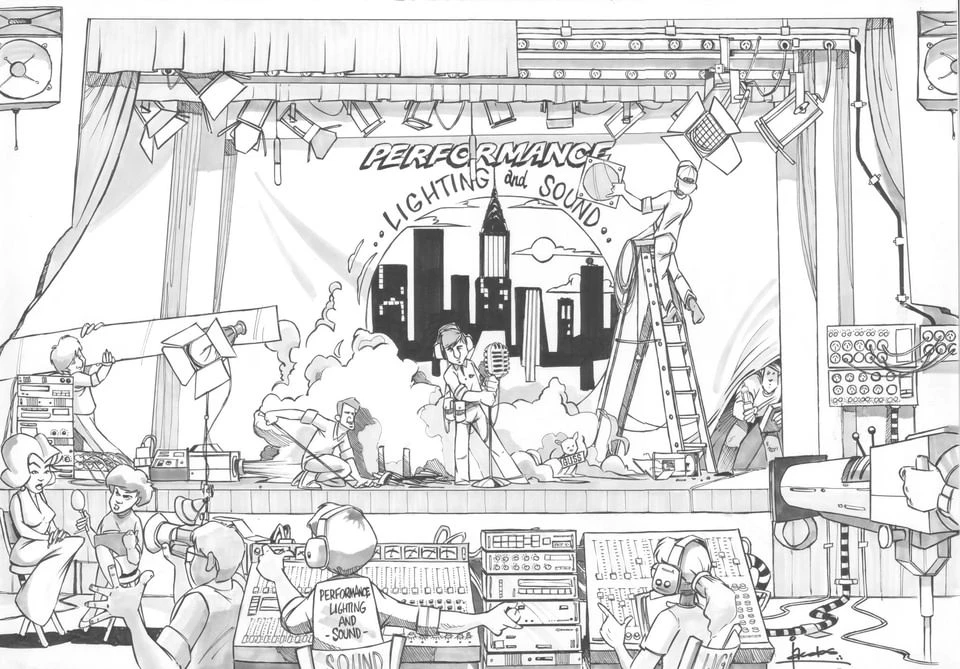

Students get much more out of the arts than just exciting extracurricular activities. Young people find chances on the stage to build their confidence and use their imagination. Supporting student performers and educators well in schools means you need well-designed surroundings. Whether you’re updating an existing space or building from scratch, the right performing arts theatre fitouts can make all the difference.
Here are the main points to keep in mind for a room that is both inspirational, excellent, and durable.
Fitouts for Theatres That Encourage Creativity
When we talk about performing arts theatre fitouts, we’re referring to the complete transformation of a space into a functional and inspiring performance venue. It involves much more than setting up a stage—it’s all about delivering an experience.
Excellent theatre fitouts always offer tiered seating for easy audience viewing, insulation for clearer acoustics, flexible lighting fixtures, and resilient flooring for the stage. Because they are in schools, multifunctional fitouts are usually needed, serving as a dramatic stage one time and then hosting community events the next.
A thoughtfully planned theatre environment helps performances, adds to safety, improves accessibility, and draws more engagement from students and audiences.
Why Quality Theatre Drapes Matter
Often overlooked but absolutely essential, theatre drapes play a central role in any stage design. Set designs add character, guide the audience’s view, and help handle lighting, audio, and timing.
Generally, learning institutions choose either black velvet or fire-retardant strong materials for both safety and practicality. The correct drapes help any production look professional, from main curtains, side masking, to backdrop cycloramas.
With multi-use spaces, retractable or modular drapes allow the stage to suit each event.
Ensuring the Drama Room Stays Successful
Every superior performance is possible due to a great rehearsal space. The drama room equipment you choose can directly influence how students learn and engage with the performing arts.
It’s necessary to have full-length mirrors for dance, lighting for stage experiments, risers or platforms for acting, and a place to store props. Set up a teaching area using furniture with a modular design and different kinds of movable walls.
Focus in the room is supported by proper soundproofing, and the safe flooring allows students to move and try new ideas. With the proper tools, a drama room inspires students to hope and makes them better collaborators.
Upgrading the School Hall Stage
In many schools, the school hall stage is the central performance space—and it has to serve many functions. Improvements can make an old stage look bright and flexible, so it supports assemblies, concerts, and stage plays.
In addition, the venue may add a top-of-the-line sound system, flexible lighting controls, motorized tracks for curtains, and motorized outriggers for the stage. Always consider areas for quick costume changes, where to store sets and booths for the technicians.
Making these upgrades to the stage benefits schools by making their hall stand out, motivating more students to join in, and demonstrating to the community the progress they’re making.
Final Thoughts
There should be gathering places for the performing arts that are as energetic, complex, and significant as these arts are in education. Whether it’s selecting high-quality theatre drapes, outfitting a drama room with the right tools, or planning comprehensive performing arts theatre fitouts, each decision contributes to a better experience for both performers and audiences.
And when a school hall stage becomes more than just a raised platform—when it becomes a stage for dreams—you’ll know the investment was worth every spotlight.



























Sign in to leave a comment.