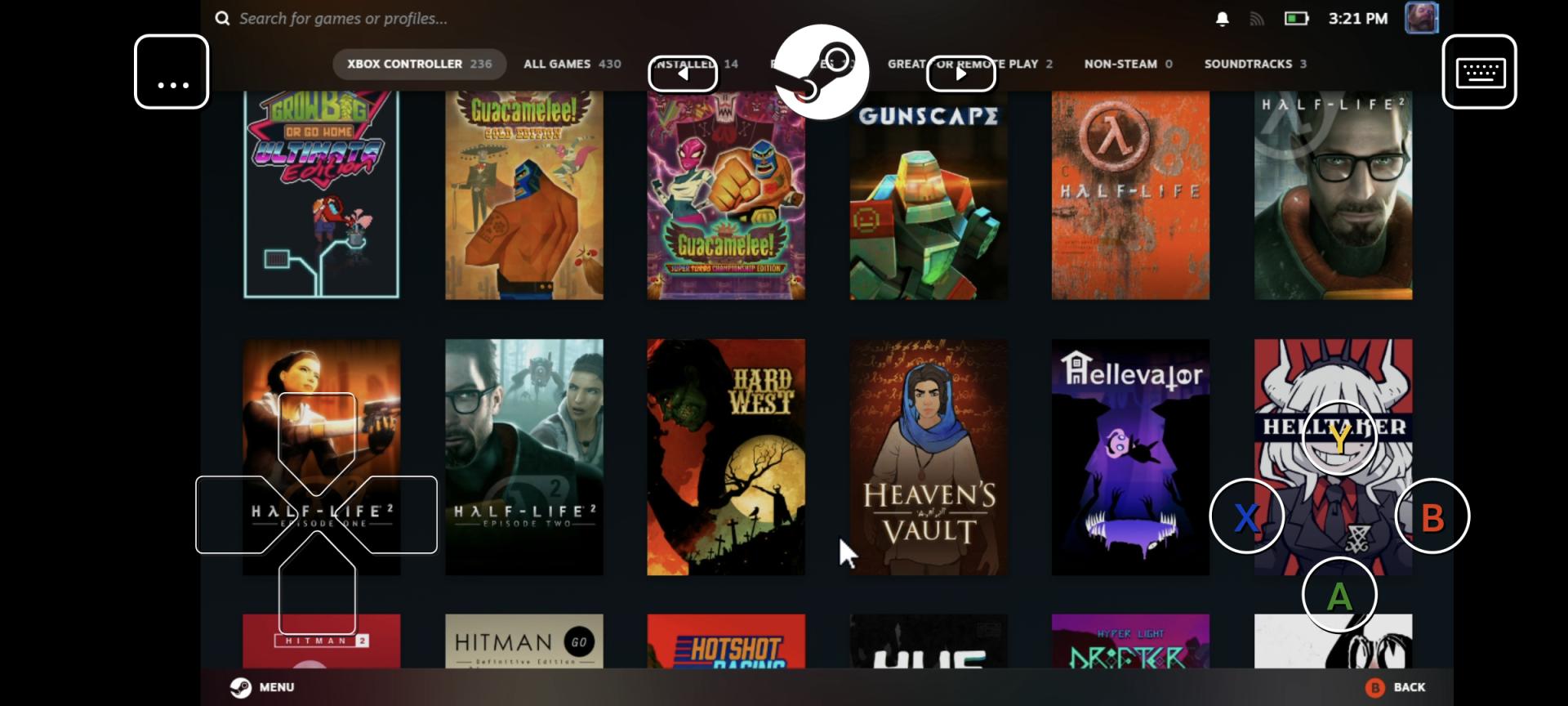
Desktop games have long been a cornerstone of the gaming world. Before the rise of mobile and console gaming, millions of people discovered the joy of digital entertainment through desktop computers. Even today, desktop gaming remains popular for its high performance, stunning graphics, and deep gameplay experiences. From casual titles to competitive esports, desktop games continue to shape how we play and enjoy digital entertainment.
The Evolution of Desktop Gaming
The history of desktop games dates back to the early days of personal computers. In the 1980s and 1990s, titles like Minesweeper, Solitaire, and Doom introduced users to interactive computer entertainment. These early games were simple yet highly addictive, becoming a part of everyday computer use. As technology advanced, so did gaming — improved graphics cards, faster processors, and better internet connections opened the door to more complex and immersive experiences.
By the 2000s, desktop gaming had entered a golden age. Games like Half-Life, The Sims, World of Warcraft, and Counter-Strike became cultural phenomena, attracting millions of players worldwide. The desktop platform offered what others couldn’t: powerful hardware capable of running large, visually rich, and detailed games.
Why People Love Desktop Games
One of the biggest advantages of desktop gaming is performance. Compared to mobile or console gaming, desktop computers offer superior processing power, allowing for smoother gameplay, realistic graphics, and advanced features. This makes them ideal for demanding genres like first-person shooters, strategy games, and simulation titles.
Another key benefit is customization. Players can build or upgrade their gaming PCs to meet specific performance needs, adding better graphics cards, faster memory, or improved cooling systems. This flexibility gives desktop gamers control over their experience — something that fixed hardware platforms can’t match.
Desktop games also provide precision and control. Using a keyboard and mouse allows for faster reactions and greater accuracy, especially in genres like strategy or shooting games. For many players, this setup offers the perfect balance between comfort and performance.
Popular Desktop Games and Genres
Desktop gaming offers something for everyone. Action and adventure games like Grand Theft Auto V and Assassin’s Creed immerse players in rich, open worlds. Strategy games such as Age of Empires and Civilization challenge players to think critically and plan ahead. Online multiplayer games like League of Legends and Valorant bring together global communities, fostering teamwork and competition.
In addition, indie games have flourished on desktop platforms, thanks to online stores like Steam and Epic Games. These smaller titles, often made by independent developers, showcase creativity and innovation, proving that great gaming experiences don’t always require massive budgets.
The Future of Desktop Gaming
Despite the growing popularity of mobile and console platforms, desktop gaming continues to thrive. Advancements in graphics technology, cloud computing, and virtual reality (VR) are making desktop games more immersive than ever. Esports, which rely heavily on PC gaming, have turned desktop games into global competitions watched by millions.
Conclusion
Desktop games remain a vital part of the gaming industry, blending power, creativity, and precision. They offer an unmatched experience for players who value high-quality visuals, customization, and performance. From classic titles to cutting-edge releases, desktop gaming continues to evolve — proving that the world of computer-based entertainment is as exciting and dynamic as ever.








Sign in to leave a comment.