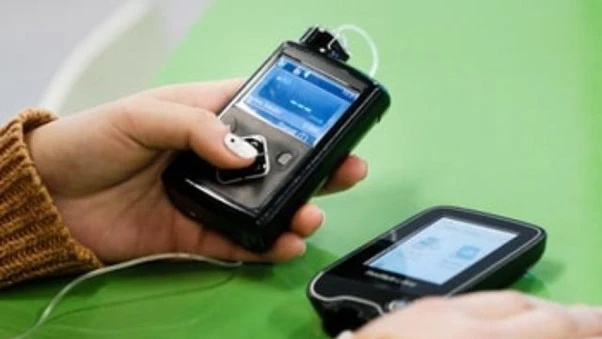

In today's fast-paced world, technology has seamlessly integrated into almost every aspect of our lives, including our healthcare. Diabetes, a chronic condition that affects millions worldwide, is no exception. In this blog, we'll explore the fascinating intersection of diabetes and technology, delving into the innovative ways it's changing the game for both patients and healthcare professionals. From monitoring glucose levels to delivering insulin, these technological advancements are revolutionizing the management of diabetes, ultimately providing improved quality of life for those affected.
1. Continuous Glucose Monitoring (CGM)
One of the most significant technological breakthroughs in diabetes care is Continuous Glucose Monitoring (CGM). These devices are designed to provide real-time data on an individual's glucose levels, helping both Type 1 and Type 2 diabetes patients better manage their condition. CGMs work by placing a tiny sensor under the skin, which measures glucose levels throughout the day and night. This information is then transmitted to a receiver or smartphone app, enabling users to make informed decisions about their diet, exercise, and insulin dosages.
2. Insulin Pumps
Traditionally, managing diabetes requires multiple daily injections of insulin. However, insulin pumps have changed the game by delivering insulin in a more convenient and precise manner. These small, wearable devices are programmed to release insulin at specific intervals or on demand, mimicking the function of a healthy pancreas. Patients can adjust the dosage as needed, and insulin pumps have become a game-changer for many individuals seeking improved control over their blood sugar levels.
3. Artificial Pancreas Systems
In the realm of diabetes technology, the artificial pancreas represents a giant leap forward. This innovative system combines both a CGM and an insulin pump, working in harmony to automatically regulate blood sugar levels. The artificial pancreas adjusts insulin delivery based on real-time glucose data, reducing the risk of hypoglycemia and hyperglycemia. While not yet perfected, this technology offers a glimpse into the future of diabetes management, providing a potential game-changer for those living with the condition.
4. Telemedicine and Diabetes Management
The digital age has ushered in a new era of healthcare, and telemedicine is making diabetes management more accessible than ever. With the click of a button, patients can connect with healthcare professionals, receive guidance on their treatment plans, and monitor their progress. Telemedicine not only saves time and money but also ensures that individuals have a support system in place, promoting better diabetes self-management.
5. Mobile Apps and Diabetes Tracking
Smartphones are a staple in our lives, and they have become powerful tools for diabetes management. Numerous mobile apps are available to help individuals track their blood sugar levels, count carbohydrates, and set reminders for medications and appointments. These apps also allow users to share their data with healthcare providers for more effective and collaborative care.
Conclusion
As we celebrate Diabetes Awareness Month, it's the perfect time to recognize the incredible synergy between diabetes and technology. Continuous Glucose Monitoring, insulin pumps, artificial pancreas systems, telemedicine, and mobile apps are just a few examples of how innovations are revolutionizing the game in the world of diabetes. These advancements are not only enhancing the quality of life for those living with diabetes but also contributing to increased awareness of the condition. By harnessing the power of technology, we are not only changing the game but also lighting the path towards better management and understanding of diabetes in our modern, connected world. The future holds even more promise, with ongoing research and development sure to bring further groundbreaking changes to the field, bridging the gap between diabetes and technology.










Sign in to leave a comment.