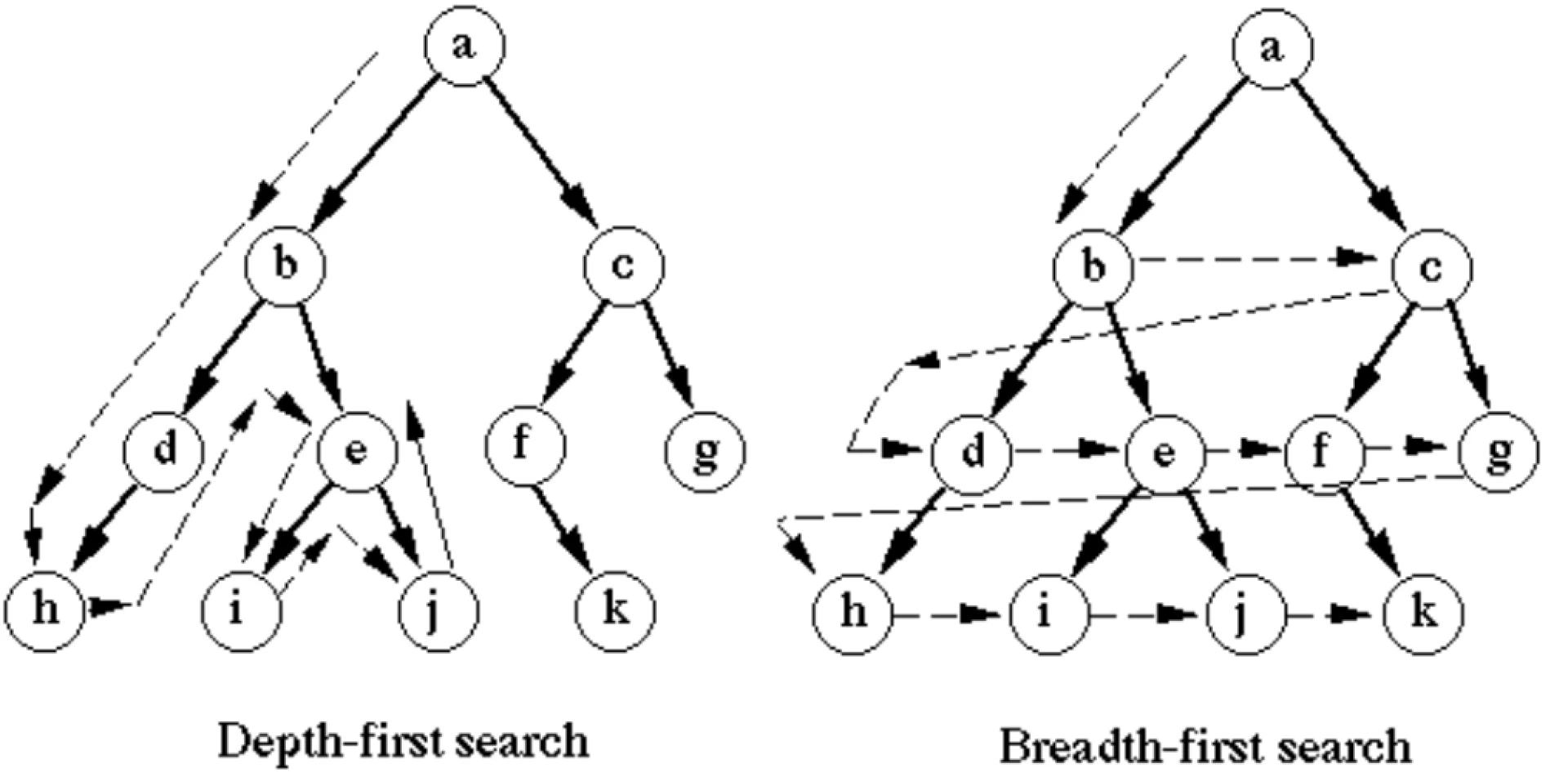

Discover the nuances in the graph traversal techniques with this comprehensive guide on the Difference Between BFS and DFS. Uncover insights, FAQs, and expert perspectives for a holistic understanding.
Introduction:
Navigating the intricate world of graph traversal requires a keen understanding of Breadth-First Search (BFS) and Depth-First Search (DFS).
In this article, we delve into the key disparities, use cases, and practical insights differentiating BFS and DFS. Let's embark on a journey to demystify these fundamental algorithms.
Exploring the Depths: BFS vs. DFS
Understanding BFS:
BFS, a fundamental graph traversal algorithm, prioritizes exploring a graph level by level. As the algorithm progresses, it systematically visits all the neighbors of a node before moving on to the next level. This approach ensures the shortest path is discovered efficiently.
Applications of BFS:
Unravel the practical applications of BFS, from network routing protocols to shortest path finding in geographical maps. The algorithm's ability to find the shortest path makes it indispensable in various real-world scenarios.
Pros and Cons of BFS:
Explore the strengths and weaknesses of BFS, understanding its efficiency in finding the shortest path but acknowledging potential limitations in memory consumption for large graphs.
Delving into DFS:
DFS, on the other hand, takes a different approach, exploring as far as possible along each branch before backtracking. This depth-first exploration can be likened to traversing a maze systematically.
Applications of DFS:
Discover the versatility of DFS in applications like maze-solving, topological sorting, and identifying connected components in graphs. DFS proves invaluable in scenarios demanding in-depth exploration.
Pros and Cons of DFS:
Evaluate the advantages and drawbacks of DFS, acknowledging its effectiveness in certain scenarios but recognizing potential pitfalls in infinite-depth graphs.
Real-world Scenarios: Applying BFS and DFS
Network Routing Scenarios:
Uncover how BFS is employed in network routing for its efficiency in finding the shortest path between routers. DFS, meanwhile, might be preferred for exploring different paths in a network.
Social Network Analysis:
Explore the use of DFS in social network analysis, identifying clusters of interconnected individuals. BFS, with its focus on shortest paths, may be employed to find the quickest connections between users.
Difference Between BFS and DFS: - A Closer Look
Memory Utilization:
Delve into the memory utilization differences between BFS and DFS. While BFS may face challenges with larger graphs, DFS might consume less memory due to its backtracking nature.
Speed of Execution:
Examine the speed disparities, understanding that BFS can be faster in finding the shortest path, while DFS may excel in scenarios where depth-first exploration is advantageous.
VISIT ALSO: Difference Between BFS and DFS: Unraveling the Techniques
Frequently Asked Questions (FAQs)
What is the main difference between BFS and DFS?Discover the fundamental disparities between BFS and DFS, shedding light on their respective approaches to graph traversal.
When should I use BFS over DFS?Unravel the scenarios where BFS proves superior, ensuring you choose the right algorithm for specific graph traversal needs.
Are there real-world applications where both BFS and DFS are used together?Explore instances where a combination of BFS and DFS yields optimal results in solving complex problems.
Can BFS and DFS be applied to weighted graphs?Understand the adaptability of BFS and DFS in handling weighted graphs, and how their performance may vary.
Is there a maximum depth limitation for DFS?Delve into the considerations regarding depth limitations in DFS, understanding its implications in different scenarios.
How do BFS and DFS contribute to the efficiency of artificial intelligence algorithms?Explore the intersection of graph traversal algorithms with artificial intelligence, unraveling their roles in enhancing algorithmic efficiency.
VISIT ALSO: Top 7 the Best Luxury Resorts in Aruba
Conclusion:
In the intricate landscape of graph traversal, understanding the Difference Between BFS and DFS is paramount. Each algorithm brings its unique strengths to the table, catering to diverse scenarios. Armed with this knowledge, navigate the world of graph algorithms with confidence and precision.



Sign in to leave a comment.