
Designing an eCommerce website is a crucial aspect of establishing a successful online business. When embarking on this endeavor, one must decide whether to use templates or hire a developer to design the website from scratch. Both approaches have their advantages and disadvantages, and it's essential to consider various factors before making a decision. In this essay, we will explore the key differences between designing an eCommerce website with templates and through a developer.
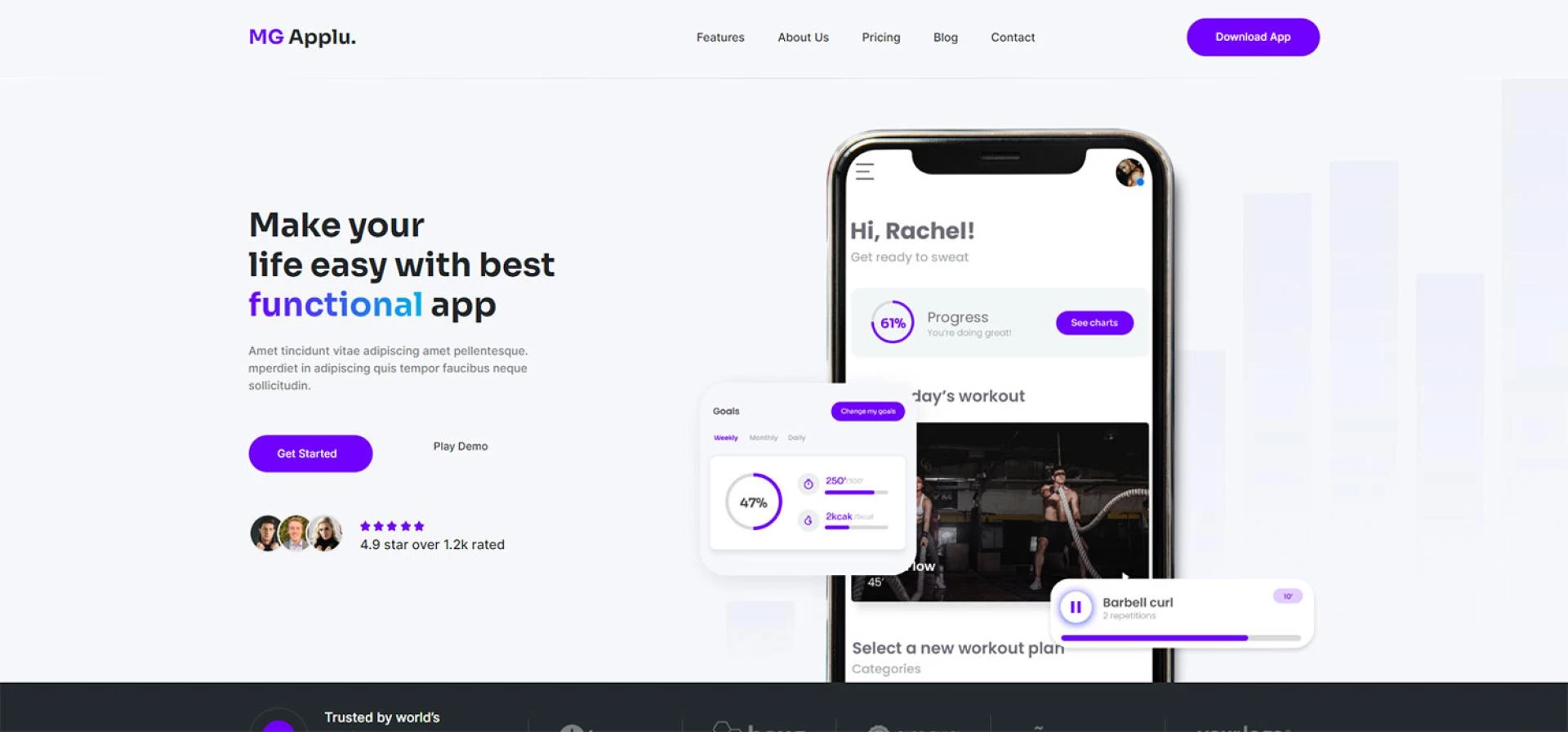
Templates, in the context of website design, are pre-designed layouts that can be customized to suit specific needs. They offer a convenient and cost-effective solution for individuals and businesses that may not have the resources or technical expertise to develop a website from scratch. Templates are readily available and come in a wide range of designs, styles, and functionalities. They often include pre-built features such as shopping carts, product galleries, and payment integration, making them ideal for eCommerce websites.
One of the primary advantages of using website templates is speed. With templates, the foundation of the website is already in place, significantly reducing the time required to set up an eCommerce site. Additionally, templates are generally user-friendly, allowing even those with limited technical knowledge to create and customize their website with relative ease. This accessibility makes templates an attractive option for individuals and small businesses looking for a quick and straightforward solution.
Cost is another significant factor that favors using templates. Templates are often affordable or even free, making them a budget-friendly choice for many entrepreneurs. In contrast, hiring a professional web developer can be costly, especially for those who require extensive customization or specialized features. Templates provide a cost-effective option without compromising on quality, allowing businesses to allocate their resources to other areas of their operation.
Despite the advantages, templates do have some limitations. Since templates are pre-designed, they may lack uniqueness and fail to fully represent a business's brand identity. This lack of customization can result in a generic look and feel, making it challenging for businesses to stand out in a competitive online market. Furthermore, templates may not offer the flexibility required to accommodate specific business needs or future growth. In such cases, a customized design created by a developer can provide a more tailored solution.
Hiring a web developer to design an eCommerce website from scratch offers a range of benefits that templates cannot match. One of the primary advantages is complete control and customization. Developers have the expertise to create unique and visually appealing designs that align with a business's brand identity. They can tailor the website's functionality and features to meet specific requirements, ensuring optimal performance and user experience. A customized design can also be more scalable, allowing for future expansions or modifications as the business grows.
Moreover, working with a developer allows for a more collaborative and interactive process. Developers can understand and translate the business's vision into a functional and aesthetically pleasing website. They can provide valuable insights and suggestions, leveraging their expertise to optimize the website's design, usability, and overall performance. This personalized approach can result in a more engaging and user-friendly eCommerce experience, ultimately leading to higher customer satisfaction and increased conversions.
While working with a developer provides numerous benefits, it is important to consider the potential downsides. The main drawback is the cost associated with hiring a professional. Developing a website from scratch requires technical skills, time, and effort, which can be reflected in the price. This cost may be prohibitive for small businesses or individuals with limited budgets. Additionally, the development process may take longer compared to using templates since it involves conceptualizing, designing, and implementing a custom solution.
Another consideration is ongoing maintenance and updates. With a custom design, businesses may rely on the developer for support and updates, which can incur additional costs. On the other hand, using templates often comes with access to support and regular updates from the template provider, alleviating the maintenance burden on the business owner.
In conclusion, the choice between using templates or hiring a developer to design an eCommerce website depends on various factors, including budget, customization needs, timeline, and technical expertise. Templates offer a quick and affordable solution, suitable for those with limited resources or technical skills. They provide pre-designed layouts and features, enabling easy customization and setup. However, templates may lack uniqueness and flexibility, potentially hindering brand differentiation and scalability. On the other hand, hiring a developer offers complete customization, personalized collaboration, and scalability. Although more expensive, a custom design provides businesses with a unique online presence and the ability to tailor the website to their specific requirements. Ultimately, the decision should be based on the individual needs and goals of the business, ensuring a website that effectively represents the brand and engages customers in the increasingly competitive eCommerce landscape.










Sign in to leave a comment.