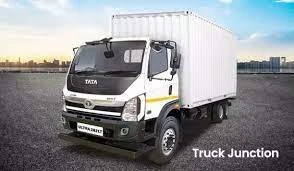

Choosing wheelers is a daunting decision for a business owner or logistics manager regarding commercial vehicles. 10 and three-wheeler CVs are like apples and oranges, each with unique advantages and disadvantages. This blog post provides key differences and factors for users to decide which CV types suit their needs.
Size Matters
As they say, size matters, and this is the most apparent distinction between 10-wheelers and three-wheelers. These behemoths for roads impose efficiency with the ability to carry substantial payloads over long distances.
Also, they support the realm of transportation. Moreover, they display the ability to handle massive loads with ease. Besides managing bulk goods or transporting them over distances, a 10-wheeler fits the journey to go.
On the other hand, the three-wheeled model is more compact and agile. It thrives to glide through congested, narrow roads, and tight corners are the norm. Operators must make frequent short trips for local deliveries or navigate through crowded city streets. Consequently, three-wheelers are affordable and best friends.
Moreover, the size of your goods carrying 3-wheeler models should be considered for usability. A three-wheeler model may suffice if users' shipments are relatively small and lightweight. However, the 10-wheeler's larger capacity might be the deciding factor for bulk or heavy items.
Efficiency Showdown
In the line of commercial vehicles, both CV types serve different purposes. To compare between 10/ 3 wheeler models, efficiency is another important factor to consider.
A 10-wheeler truck has been built for the long haul. They are designed to cover vast distances efficiently, being the preferred choice for interstate trips. Besides, their massive fuel tanks and robust engines display power and endurance.
In contrast, three-wheelers excel in fuel efficiency, particularly during short trips within city limits. They are compact, lighter, and promote fuel economy. In addition, it serves to be cost-effective for businesses performing local deliveries.
Furthermore, maintenance costs should also be factored into the efficiency equation. Three-wheelers have lower maintenance costs due to their simpler design. Conversely, 10-wheelers may require more frequent and expensive upkeep.
Maneuverability Matters
Since the maneuverability becomes the deciding factor, businesses operate easily in urban environments.
10-wheeler giants can be challenging to navigate through narrow streets and congested traffic. Turning corners or finding parking spaces can be an ordeal, leading to delays and increased stress for drivers.
On the flip side, three-wheelers are nimble and agile. They can squeeze through tight spots, making them ideal for navigating the labyrinthine urban landscapes. Their small size allows for quicker and more efficient deliveries.
Consequently, the three-wheeler's manoeuvrability can be a game-changer if your business primarily operates in urban or densely populated areas.
Payload Capacity
Payload capacity is, of course, a crucial consideration for any commercial vehicle.
10-Wheeler trucks are the workhorses when it comes to carrying capacity. They can handle heavy and bulky loads with ease. The 10-wheeler's payload capacity must be maintained if your business transports goods or materials.
While three-wheelers are no match for the sheer capacity of 10-wheelers, they are no slouch either. They can comfortably carry moderate loads. Moreover, it makes them suitable for businesses with smaller cargo requirements.
Additionally, remember that regulations and road weight limits are in your area. Also, it might dictate your maximum payload capacity. Always ensure you are within legal limits.
Cost Considerations
In general, the cost is frequently the deciding factor in company decisions.
Trucks with 10 tires usually cost more upfront because of their dimensions, strength, and capabilities. Additionally, they require extra fuel and gradually raise operating costs.
In general, such as three-wheeled were more affordable. Additionally, maintenance expenditures tend to be minimal.
Moreover, take note of the size of your organization. The financial benefits of scale could offset acquiring 10-wheelers when you run a big company with many transit needs. On the flip side, three-wheelers can be economical if you've been starting or operating on a smaller scale.
Environmental Impact
In today's ecologically aware society, you must consider the repercussions of your CV. Your decision will directly impact on the environment.
Such giants produce greater emissions because of their bigger motors and greater fuel utilization. If reducing your carbon footprint is a top goal, consider alternate fuel sources or technological solutions.
Three-wheelers often leave less adverse environmental impact because they are smaller and more fuel-efficient. These vehicles become an excellent choice for businesses wanting to start using environmentally conscious transportation options.
The Final Verdict
Which one, the 10-wheeler or the three-wheeler, best matches your requirements?
The solution eventually hinges on the particulars of your needs. A 10-wheeler can be the best option if you must transport huge amounts of goods over long distances. Moreover, you require sufficient facilities to accommodate goods in such a vehicle.
In contrast, a three-wheeler might be better if your operations focus on urban areas. Furthermore, it will require frequent local deliveries and place a premium on fuel economy and
When choosing, consider your financial situation, environmental goals, and regulations. Both 10-wheelers and three-wheelers have a place in commercial vehicles, and the best option will be in line with your company's particular needs.



























Sign in to leave a comment.